
Trace of the Villa — a locked-room mystery built around power, doors, and evidence
Trace of the Villa (Steadyturtle Co., Ltd.) is an atmospheric mystery adventure arriving on Steam on 28 May, 2026. Its core loop leans on restoring power to a cut-off estate, watching secured systems and hidden compartments come back online, and stitching together fragmented documents and manifests into a believable chain of clues.

| Title | Trace of the Villa |
|---|---|
| Steam appid | 3483660 |
| Developer / Publisher | Steadyturtle Co., Ltd. |
| Release date | 28 May, 2026 |
| Genres | Action, Adventure, Indie |
| Categories | Single-player; Color Alternatives; Custom Volume Controls; Playable without Timed Input; Subtitle Options; Family Sharing |
Who it’s for
If you prefer slow-burn suspense and investigative pacing — players who prize environmental storytelling, clue-driven exploration, and locked-room thinking — Trace of the Villa is squarely aimed at you. It will also appeal to Steam players who want accessibility options (subtitles, color alternatives) and a single-player, story-first experience. Note the Steam listing classifies it under Action, Adventure, and Indie, so expect moments of cinematic or kinetic pacing interspersed with methodical investigation.
What the game is
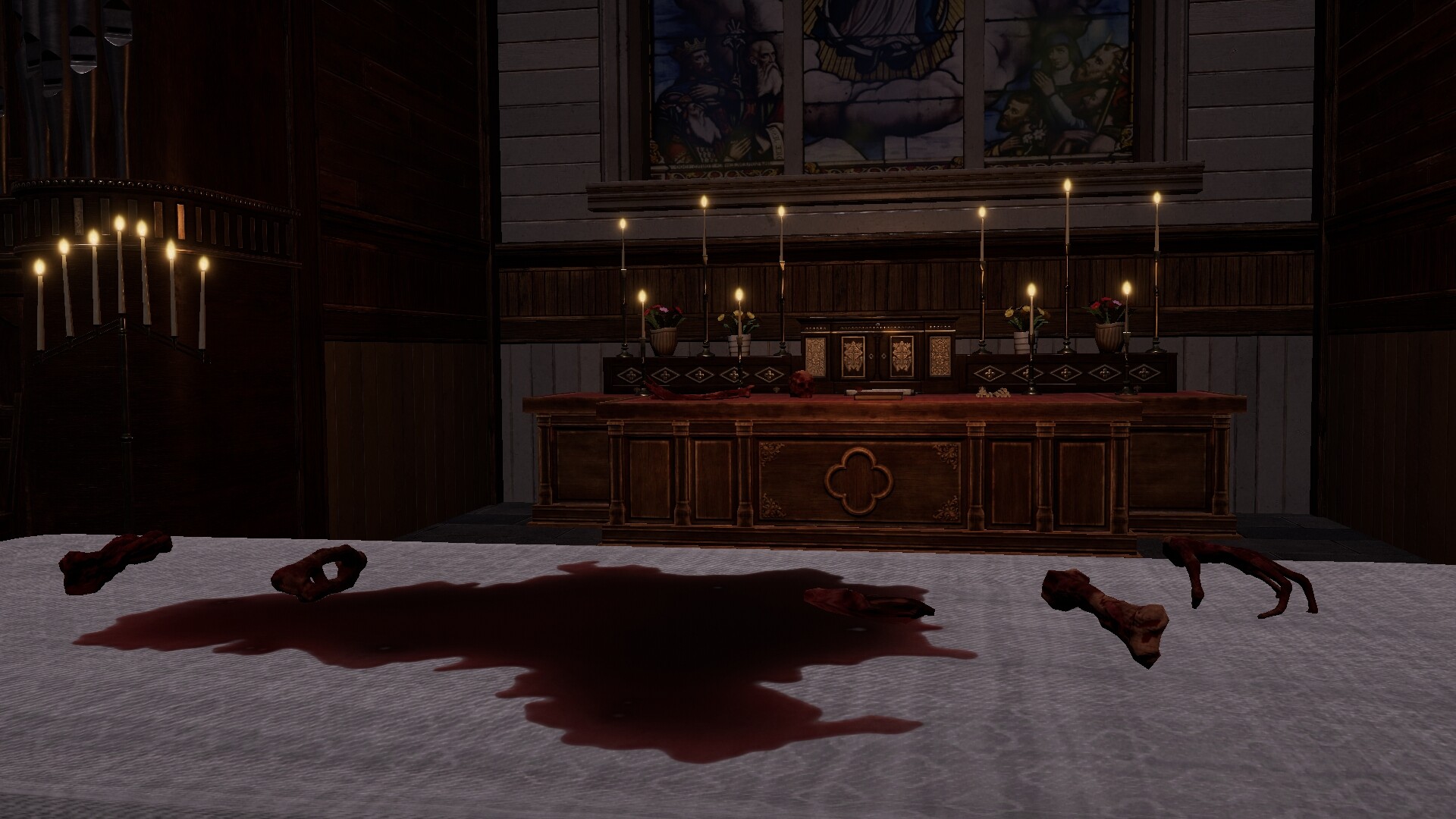
Officially: Jin has spent years searching for his missing sister and follows a lead to a remote, decaying mansion where manifests and hints suggest she may still be alive. The property is cut off from the grid and deliberately forgotten; rooms look as if their occupants vanished mid-routine and identities appear to have been erased. When Jin restores power, secured systems come back online, hidden compartments unlock, and safes yield fragments of encrypted documents and suspicious transfer records — each discovery feeding the next puzzle and revealing a broader, concealed operation.

When and where
Trace of the Villa released on Steam on 28 May, 2026. It’s available through the game’s Steam store page (appid 3483660) and carries retail-friendly accessibility and volume control categories suited to PC players.
Why the theme matters
The mansion mystery here is explicitly about erasure and reconstruction: identities removed, records scrubbed, and a physical site converted into a node in a larger operation. That theme rewards players who enjoy piecing together a human story out of bureaucratic detritus — manifests, transfer records, encrypted fragments — rather than relying solely on overt narrative beats. Environmental reading and patience are the payoff; the house is designed to reveal context as systems are re-enabled and evidence is reconstructed.
How progression works: a locked-room, clue-chain loop
The listed game description makes the loop clear and mechanical: restore power to the estate, which reactivates secured systems; those systems unlock new areas or compartments; newly accessible safes and rooms yield fragments of documents, manifests, and transfer records; each recovered item forms a link in a chain of clues that points to the next target. Progress here is less about one-off puzzles and more about building a coherent timeline and connecting seemingly mundane items into a revealing pattern.
Player scenarios — concrete examples
- For methodical investigators: You enjoy reading labels, checking logs, and following the logic of a manifested trail of documents. The game rewards careful note-taking and cross-referencing evidence.
- For atmosphere-first explorers: You value mood, space, and sensory cues. Restoring power and watching the mansion change state — lights flick on, secured systems respond — are core pleasures.
- For players who balance action and puzzles: The Steam genres list Action and Adventure alongside Indie; expect pacing shifts. If you need pure puzzle rooms without narrative framing, this might feel more story-driven than a pure escape-room simulator.
- Not ideal if you prefer fast, combat-led games: The investigative, clue-chaining orientation prioritizes reading and reconstruction over reflex-heavy gameplay.
How it compares — quick editorial table
| Title | Genre / Atmosphere | Puzzle focus | Exploration style | Story tone & pacing | Player fit |
|---|---|---|---|---|---|
| Trace of the Villa | Action / Adventure / Indie — mansion mystery | Clue-chain, reconstructing evidence, unlocking systems | Environmental reading in a cut-off estate | Slow-burn, investigative, procedural | Fans of narrative puzzles and atmospheric mystery |
| The Room | Adventure / Indie — intimate, tactile puzzles | Mechanical puzzle boxes and safe-cracking | Focused, single-room vignettes | Dense, claustrophobic, puzzle-forward | Players who love tactile, isolated puzzles |
| The Room Two | Adventure / Indie — expanding cryptic environments | Sequential, object-based puzzle chains | Series of interconnected rooms with escalating complexity | Mysterious, steadily unfolding | Players who enjoyed the original and want larger, layered puzzles |
| Escape Simulator | Adventure / Casual / Indie — sandbox rooms | Highly interactive escape-room mechanics, physics-led | Room-to-room with emphasis on object interaction | Variable — from playful to challenging depending on room | Players who want interactive object manipulation and community rooms |
| Hi-Fi RUSH | Action — rhythm-driven combat | Action/rhythm systems, not investigative puzzles | Fast-paced, combat arenas and narrative hubs | Upbeat, kinetic, arcade-like pacing | Players seeking
Steam pageView Trace of the Villa on Steam YouTube discoveryFor trailer and gameplay discovery, use YouTube search rather than relying on unverified embeds: Find Trace of the Villa trailer and gameplay searches on YouTube. CommentsMore posts |
Leave a Reply