
Trace of the Villa — how clues, objects, and puzzles reveal evidence without spoiling the mystery
Jin arrives at a remote, decaying mansion armed with manifests, encrypted fragments and the hope that his missing sister might still be alive. Trace of the Villa (Steadyturtle Co., Ltd.) stitches environmental puzzles, object logic and discovered documents into a slow-burn investigation released on 28 May, 2026 for PC via Steam.

Who should wishlist Trace of the Villa?
- Players who prefer atmospheric mystery adventures and slow-burn suspense rather than action-first pacing.
- Puzzle fans who enjoy reading in-game documents, reconstructing timelines, and using recovered objects as evidence.
- Those who value accessibility options listed on the Steam page — color alternatives, subtitle options, custom volume controls, and a “playable without timed input” category.
- Fans of single-player, story-driven indie adventures that emphasize exploration and environmental storytelling.
What the game is
Trace of the Villa casts you as Jin, a protagonist whose years-long search for his missing sister leads to a deliberately forgotten mansion. According to the official Steam description, the house feels “less abandoned than erased”: furnished rooms with missing names and photographs, locked doors concealing hastily secured secrets, and safes that yield fragments of encrypted documents and suspicious transfer records. The developer and publisher is Steadyturtle Co., Ltd.; the game lists Action, Adventure and Indie as genres and several accessibility-related categories on its Steam page.
When and where
Trace of the Villa launched on Steam on 28 May, 2026. The Steam store page and official assets (screenshots and header) are used throughout the article as referenced sources.

Why the theme matters (without spoiling plot beats)
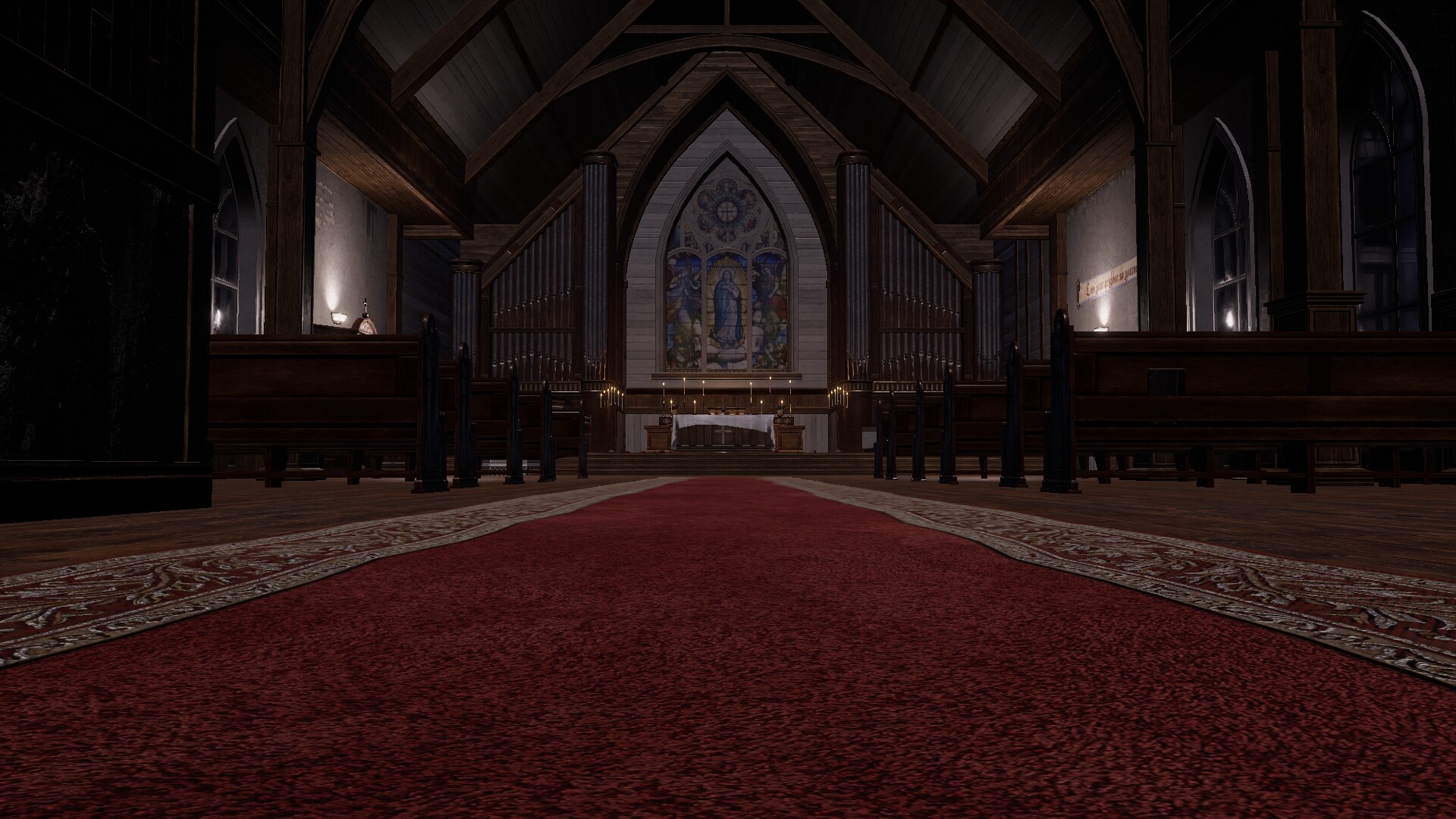
The mansion premise isn’t just a backdrop: the official description highlights systems that come back online, hidden compartments, falsified identities and financial trails. Those elements are important because they make the puzzles serve narrative evidence—every safe combination, restored circuit, or recovered manifest is a piece of a ledger that points toward what happened here. The design premise suggests puzzles will behave like clues in an investigation rather than isolated mechanical hurdles, so solving one often supplies contextual information for the next.
How the game asks you to read clues
Trace of the Villa leans on three puzzle-to-story vectors that shape player experience:
- Clue reading: Manifests, suspicious transfer records and encrypted fragments are presented as partial evidence. Reading and cross-referencing discovered documents builds a timeline and suggests motives without presenting a single spoilable conclusion.
- Object logic: Restoring power, opening safes and unlocking hidden compartments are mechanics where physical interactions (wires, switches, keys) reveal metadata—file names, logs, or receipts—that function as forensic breadcrumbs.
- Story puzzles: Rather than forcing disclosure, story-linked puzzles surface layers of an operation: falsified identities, arrivals without records, and movements masked behind forms. Each solved puzzle yields fragments of the larger picture; the official description emphasizes that pieces accumulate into a disturbing pattern rather than delivering an immediate reveal.
Practical decisions — does this fit your playstyle?
If you enjoy methodical, evidence-driven mysteries where pacing comes from reading and connecting dots rather than timed action, Trace of the Villa fits that appetite. The presence of subtitle options and “playable without timed input” on the Steam page signals a calmer, investigatory approach. Conversely, players seeking action-focused set pieces or fast, combat-heavy progression should temper expectations; the Steam genres include Action, but the official narrative emphasis and categories point toward exploration and puzzle-driven discovery.
Compact facts — Trace of the Villa
| Title | Trace of the Villa |
|---|---|
| Steam AppID | 3483660 |
| Release date | 28 May, 2026 |
| Developer | Steadyturtle Co., Ltd. |
| Publisher | Steadyturtle Co., Ltd. |
| Genres | Action, Adventure, Indie |
| Key Steam categories | Single-player; Color Alternatives; Custom Volume Controls; Playable without Timed Input; Subtitle Options; Family Sharing |
| Official short premise | Jin searches a remote, decaying mansion where manifests and hints indicate his missing sister may still be alive. |
Comparing similar puzzle-adventure approaches
Below is an editorial comparison focused on puzzle focus, atmosphere, exploration style and player fit. This is an editorial discovery exercise — not a claim of endorsement.
| Title | Genre / Focus | Puzzle style | Atmosphere / Pacing | Player fit |
|---|---|---|---|---|
| Trace of the Villa | Action, Adventure, Indie (Steam) | Document-driven clues, safes, object logic, systems restoration | Slow-burn mansion mystery; investigative tension | Players who like environmental storytelling and forensic puzzles |
| The Room | Adventure, Indie | Mechanical puzzle boxes, tactile object puzzles | Claustrophobic, tactile, puzzle-focused pacing | Players who enjoy one-location, tightly designed puzzle sequences |
| Escape Simulator | Adventure, Casual, Indie (co-op emphasis) | Highly interactive escape-room puzzles, object manipulation | Room-by-room, puzzle-centric; variable pacing with co-op | Players who like sandboxed rooms and interactive object experimentation |
| Unpacking | Casual, Indie | Environmental, placement and context puzzles (object-fit) | Calm, observational, reflective pacing | Players who like quiet, narrative-through-objects storytelling |
Player scenarios — who will enjoy the experience?
- The forensic reader: You like scanning receipts, manifests and logs to reconstruct timelines. Trace of the Villa offers document fragments and encrypted records as primary evidence.
- The environmental detective: You prefer restoring systems and opening physical containers to unlock narrative beats. Power restoration and hidden compartments are core mechanics, per the Steam description.
- The contemplative explorer: You want atmosphere, not constant threats. The game’s Steam categories (playable without timed input, subtitle options, color alternatives) support a measured, accessible playthrough.
- The cozier puzzler: If you favor immediate, room-length puzzles and community levels, titles like Escape Simulator present a different, more modular experience.
YouTube discovery
If you want trailer or gameplay footage for Trace of the Villa, search YouTube for potential trailers or clips: Trace of the Villa trailer & gameplay. This link is a discovery path; specific videos should
Leave a Reply