
Trace of the Villa — where locked-room thinking meets systems, safes, and environmental reading
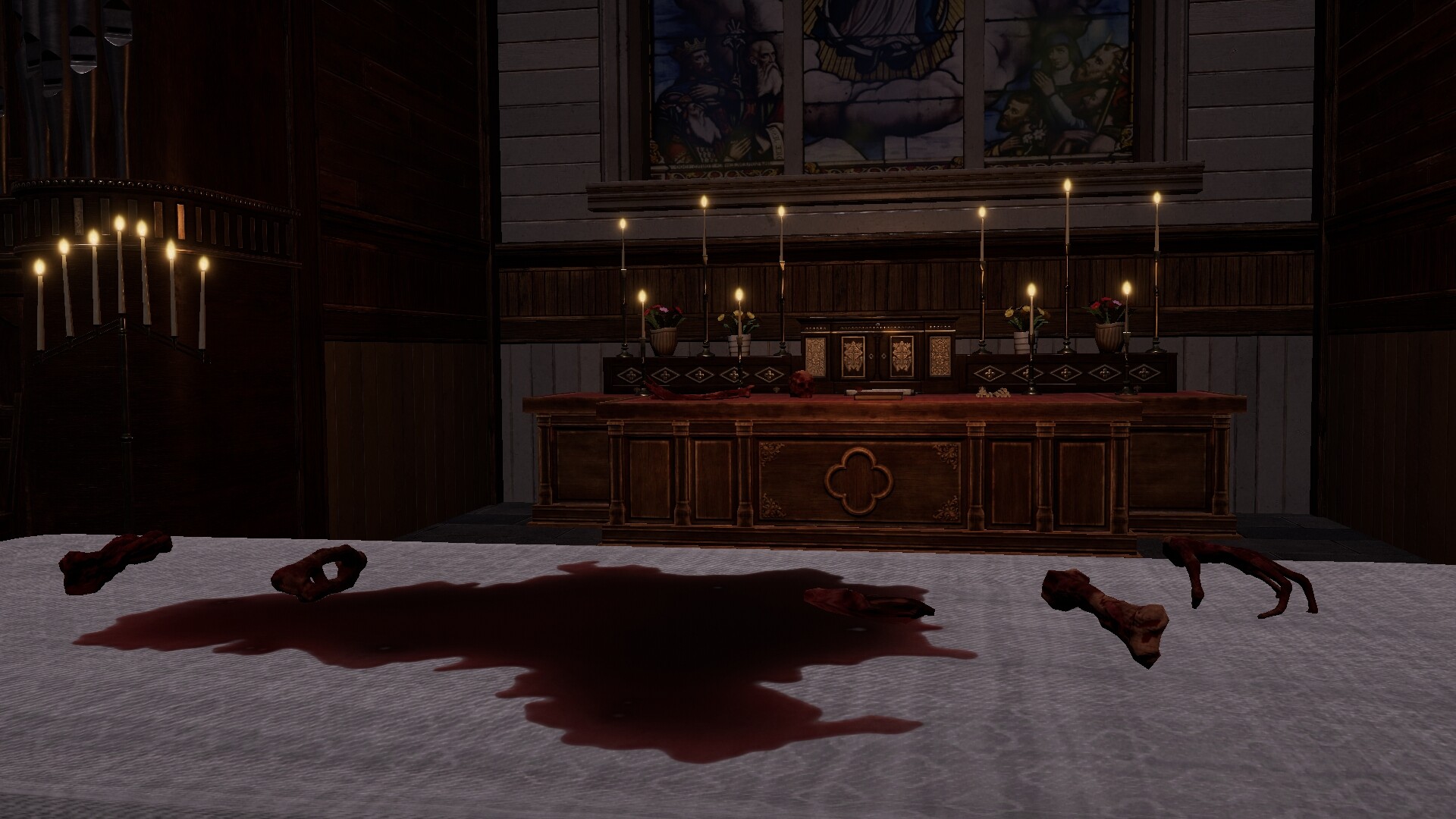
Trace of the Villa is a story-rich, atmospheric mystery adventure on Steam from Steadyturtle Co., Ltd., released 28 May, 2026. You play Jin, a man who follows a lead to a remote, decaying mansion where restoring power gradually reactivates secured systems, unlocks safes, and surfaces encrypted documents that form a chain of clues toward a missing-person trail.

Quick facts
| Title | Trace of the Villa |
|---|---|
| Release date | 28 May, 2026 |
| Developer / Publisher | Steadyturtle Co., Ltd. |
| Genres | Action, Adventure, Indie |
| Key categories / accessibility | Single-player; Playable without Timed Input; Subtitle Options; Color Alternatives; Custom Volume Controls; Family Sharing |
| Steam AppID | 3483660 |
| Short premise | Jin follows clues in a decaying, off-grid mansion where powering systems back on reveals safes, encrypted documents, and signs that his missing sister may still be alive. |
What the game is
Trace of the Villa is built around environmental storytelling and clue-driven exploration rather than combat spectacle. According to the official description, the mansion’s silence and deliberately scrubbed records create a locked-room, investigative tone: rooms appear frozen mid-routine, secured systems come back online when power is restored, safes produce fragments of encrypted documents, and financial and identity trails suggest a controlled, organized operation rather than random chaos.

When and where
Trace of the Villa launched on Steam on 28 May, 2026. The Steam page lists the developer and publisher as Steadyturtle Co., Ltd., and categories indicate a single-player PC experience with accessibility options such as subtitles, color alternatives, and controls for volume and timed-input avoidance.
Why the premise matters — power, systems, safes, documents
The game’s official description anchors investigation in tangible systems: restoring electricity is not just a set-piece but a mechanic that reintroduces locked subsystems, digital records, safes, and encrypted fragments into the player’s investigative palette. That design choice pushes players toward a particular kind of reading: treat the environment as a locked archive, where mechanical systems and secured storage are themselves puzzle nodes that produce, over time, the clue chains needed to reconstruct events.
How you read clues and progress
- Locked-room thinking: many spaces feel deliberately sealed off; progress requires returning power or re-enabling systems to expose the next layer of evidence.
- Clue chains: safes, manifests, and encrypted documents are presented as pieces of a larger financial and identity puzzle — solving one reveals leads for the next.
- Environmental reading: furnishings, missing photographs, and staged rooms act as narrative signals rather than explicit dialogue, so careful observation of spaces is rewarded.
- Player pacing: categories like “Playable without Timed Input” suggest the game favors deliberate, methodical investigation over reflex-driven sequences.
Who should wishlist it?
- Players who prefer slow-burn suspense and mansion mystery, where atmosphere and the accumulation of small evidentiary finds drive tension.
- Fans of environmental storytelling and narrative puzzle design who enjoy deriving meaning from documents, manifests, and system logs.
- Those who dislike strict time limits—category tags indicate the game supports play without timed input—and value accessibility options like subtitles and color alternatives.
- Players seeking narrative-driven exploration with intermittent action beats (the Action tag exists, but the core pitch emphasizes investigation and discovery).
Player scenarios — three concrete ways you might play
- Methodical Investigator: You move slowly through rooms, cataloging manifests and encrypted files. You restore power to whole wings and track financial trails across documents to piece together who passed through and why.
- Environmental Storyteller: You treat each room as an exhibit—mismatched objects, missing photos, and staged routines become your narrative scaffolding. Safes and hidden compartments punctuate discoveries.
- Accessibility-first Explorer: You use subtitle options and custom volume/color settings to tune the mood without sensory overload and rely on the game’s non-timed design to revisit puzzles at your own pace.
How it compares to nearby puzzle/mystery games
| Title | Genre / Tone | Puzzle focus | Exploration style | Pacing / Player fit |
|---|---|---|---|---|
| Trace of the Villa | Action · Adventure · Indie — mansion mystery, slow-burn suspense | Systems, safes, encrypted documents; clue chains tied to power restoration | Single-player, environmental reading of staged rooms and records | Methodical, narrative-focused; playable without timed input |
| The Room / The Room Two | Adventure · Indie — intimate, tactile puzzle boxes | Mechanical safes and intricate puzzle chambers (note: these titles emphasize object-based puzzles) | Focused, singular-room or small-scope exploration | Slow, tactile puzzle solving for players who like hands-on mechanisms |
| Escape Simulator | Adventure / Simulation · Indie — interactive escape-room play | Highly interactive object puzzles; many community-made rooms | Room-by-room, often physics-driven; supports co-op (unlike Trace of the Villa) | Varied pacing; suited to players who enjoy mechanical interaction and experimentation |
Deciding factors — should you wishlist?
Wishlist Trace of the Villa if you want a PC mystery that privileges environmental storytelling and
Steam page
View Trace of the Villa on Steam
YouTube discovery
For trailer and gameplay discovery, use YouTube search rather than relying on unverified embeds: Find Trace of the Villa trailer and gameplay searches on YouTube.
Leave a Reply