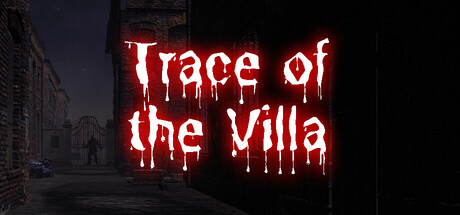
Trace of the Villa: why environmental dread and silence matter more than sudden shocks
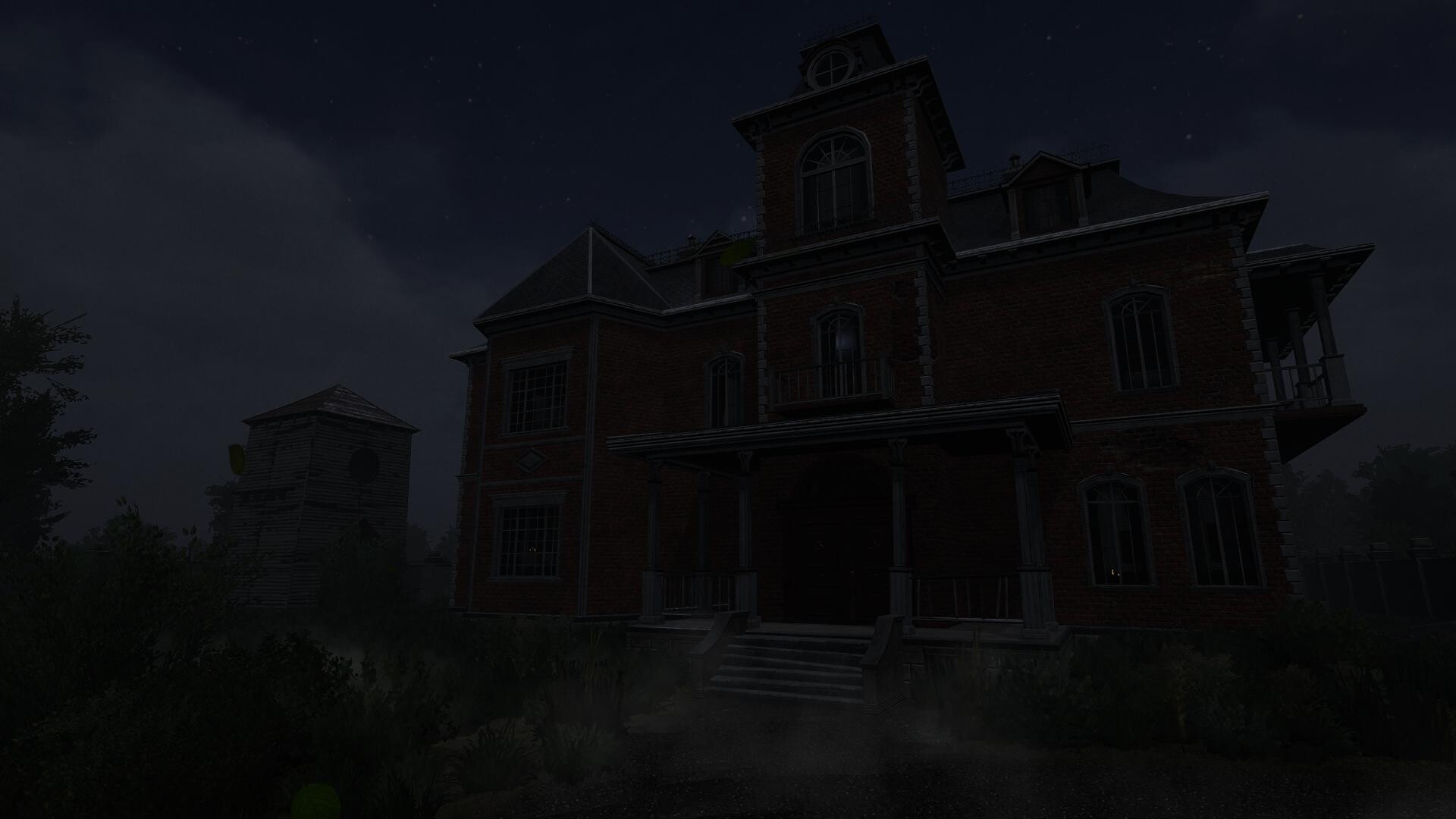
Trace of the Villa leans on quiet tension, unsettlement in room design, and a slow unspooling of clues rather than jump scares — a psychological investigation staged inside a decaying, deliberately forgotten mansion. Released on 28 May, 2026 by Steadyturtle Co., Ltd., the game places you in Jin’s shoes as he restores power, reads manifests and teases out fragments of a concealed operation hidden in furnished rooms that look as if their occupants simply vanished.

Quick facts
| Title | Trace of the Villa |
|---|---|
| Release date | 28 May, 2026 |
| Developer / Publisher | Steadyturtle Co., Ltd. |
| Steam AppID | 3483660 |
| Genres | Action, Adventure, Indie |
| Key categories | Single-player; Color Alternatives; Custom Volume Controls; Playable without Timed Input; Subtitle Options; Family Sharing |
| Short premise | Jin searches a remote, decaying mansion for his missing sister, recovering manifests and hints that she may still be alive at the end of his trail. |
Who is this for?
- Players who prefer slow-burn suspense and environmental storytelling over constant shocks.
- People who enjoy puzzle-led exploration and reading into objects, manifests and encrypted fragments to reconstruct a timeline.
- Fans of story-rich, atmospheric mystery adventures who want a mansion setting where silence and the details of room design carry the mood.
What the game actually is
Trace of the Villa is an action/adventure indie on Steam that frames its mystery through Jin, a protagonist searching for his missing sister. The mansion setting is cut off from the grid and presented as deliberately forgotten: rooms are furnished but eerily emptied of personal identifiers, locked doors hide hastily secured secrets, and the environment itself feels like a record erased rather than simply abandoned.

When and where
Trace of the Villa published on Steam on 28 May, 2026. You can view its store page directly on Steam: Trace of the Villa on Steam.
Why the theme — environmental dread, silence, unsettling rooms — matters
Environmental dread is not decoration; it’s the primary language the game uses to communicate missing history. Rather than telling you what happened, the mansion’s rooms do the talking: personal belongings are present but photographs and names are absent, systems are offline until you restore power, and secured systems, hidden compartments and safes yield encrypted fragments and suspicious transfer records. This absence — the erasure of identity and the hush in corridors — creates a persistent, cognitive unease that outlasts any single jump scare.
How you progress — reading the house
- Restore infrastructure: when Jin restores power, secured systems and hidden mechanisms begin to respond, changing the space and revealing new interactions.
- Collect and interpret clues: manifests, encrypted documents and transfer records become puzzle elements that piece together movements and masked operations.
- Explore room design: furnished rooms conceal narrative beats — locked doors, safes and hidden compartments are both puzzle and storytelling devices that make the mansion itself an active investigator’s partner.
Player scenarios — will you enjoy it?
- Scenario A — The patient investigator: you enjoy slowly reading environments, cataloguing small discrepancies, and following financial or document trails. This is the primary audience.
- Scenario B — The atmospheric explorer: you prize unsettling room design and silence as a mood engine; the game’s reliance on environmental dread is its main appeal.
- Scenario C — The puzzle-hybrid player: you want clues that gate progression and reveal the story as you solve them — not purely combat or survival mechanics.
- Scenario D — Not ideal: if you prefer constant action, frequent combat, or jump-scare-driven horror, Trace of the Villa’s slow, clue-driven pacing may feel too restrained.
How it sits next to nearby mystery/puzzle games
Below is a compact comparison on lawful editorial criteria — genre, atmosphere, puzzle and exploration focus, story tone and pacing — to help decide if Trace of the Villa aligns with your tastes.
| Title | Release year | Core focus | Pacing & tone | Player fit |
|---|---|---|---|---|
| Trace of the Villa | 2026 | Mansion mystery; clue-driven exploration; environmental storytelling | Slow-burn, atmospheric, unsettling room design | Players who want narrative puzzle design and environmental dread |
| Amnesia: The Dark Descent | 2010 | First-person survival horror; immersion and discovery | Immersive and often tense; survival-based encounters | Players who want immersion and a high-tension survival experience |
| SOMA | 2015 | Sci‑fi horror beneath the Atlantic; existential themes | Slow and contemplative with sci‑fi dread | Players who prefer narrative-driven, philosophical horror in a sealed environment |
| Layers of Fear (2016) | 2016 | First‑person psychological horror; shifting Victorian mansion | Atmospheric, story-heavy, sanity and perception-based | Players who like a narrative that warps the environment around the protagonist’s psyche |
| Poppy Playtime | 2021 | Horror/puzzle adventure; toy-factory setting with mechanics like the GrabPack | Puzzle-driven with set-piece scares | Players who enjoy mechanical puzzles in a horror setting and more immediate tension |
Where to find video material
If you want a quick look at trailers and gameplay clips, search YouTube for Trace of the Villa: YouTube search: Trace of the Villa trailer / gameplay. This is a discovery path; specific videos should be checked for official status before assuming they’re developer-published.
Steam link: https://store.steampowered.com/app/3483660/Trace_of_the_Villa/
Referenced titles and trademarks belong to their respective owners. Comparisons above are editorial discovery and not endorsements.
Leave a Reply