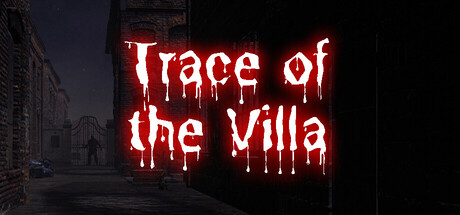
Trace of the Villa — an investigation for meticulous players and lore readers
Trace of the Villa drops you into a deliberately erased mansion and asks you to read what remains: manifests, encrypted fragments, and the faint architecture of identities. If you prefer slow-burn, clue-driven exploration where every recovered file nudges an overarching conspiracy forward, this Steam release is built around that appetite.

Quick facts
| Title | Trace of the Villa |
|---|---|
| Developer / Publisher | Steadyturtle Co., Ltd. |
| Release date | 28 May, 2026 (Steam) |
| Genres | Action, Adventure, Indie |
| Key Steam categories | Single-player; Color Alternatives; Custom Volume Controls; Playable without Timed Input; Subtitle Options; Family Sharing |
| Steam store | Open Trace of the Villa on Steam |
Who is this for?
This is for meticulous players, lore readers, and investigation fans who enjoy parsing fragments into a coherent past. If you habitually comb through notes, re-check locked drawers, and replay segments to connect timelines, Trace of the Villa speaks to that investigative rhythm. It’s also for players who prefer narrative mystery over jump-scare theatrics: the game’s premise emphasizes reconstruction of events through recovered records and systems.
What the game is
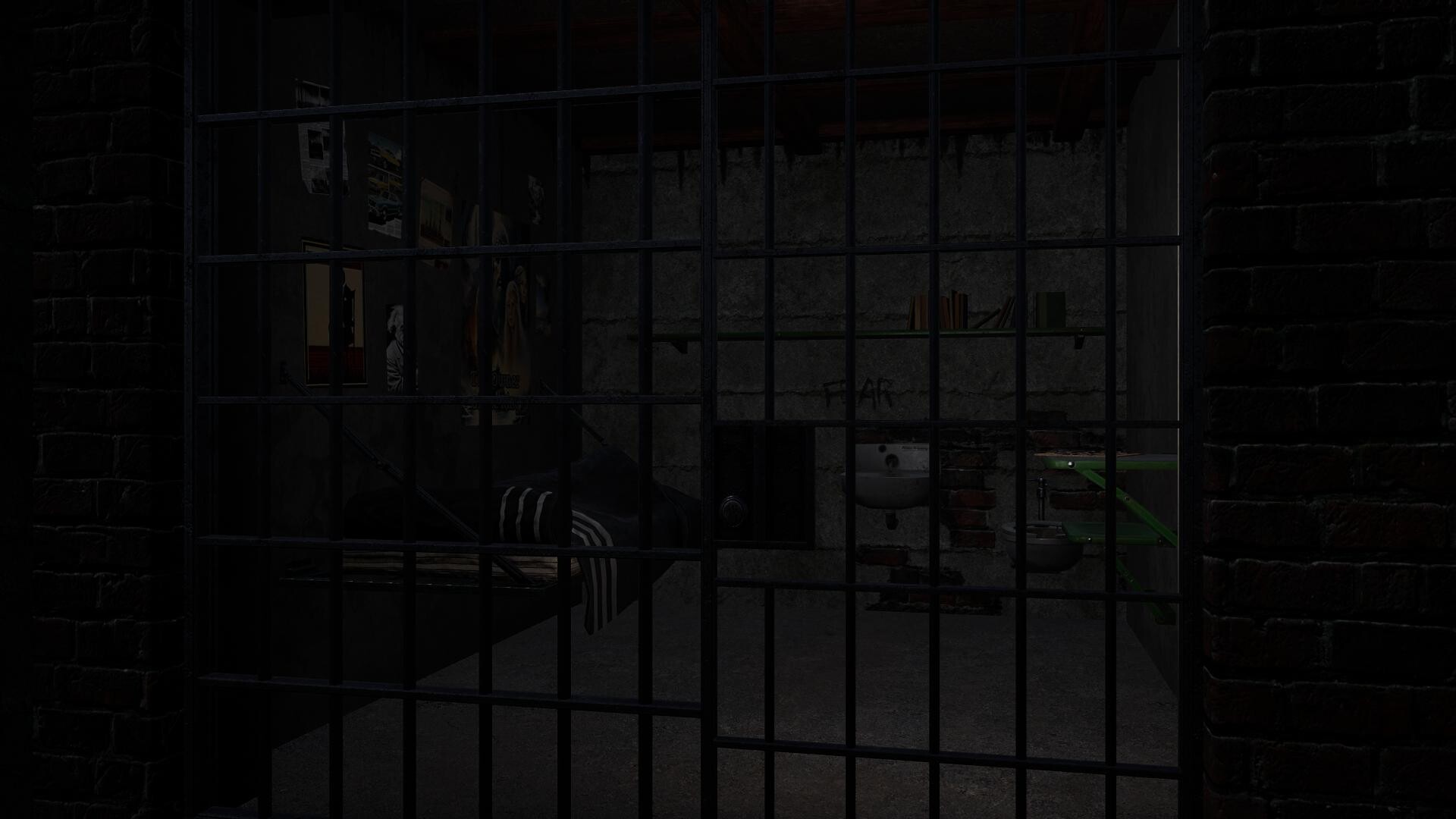
Officially: Jin has spent years searching for his missing sister. A lead points him to a remote, decaying mansion where manifests and hints suggest his sister may still be alive. Inside, rooms appear as if occupants vanished mid-routine; identities seem removed. Restoring power reveals secured systems, hidden compartments, and encrypted documents that expose a carefully concealed operation. The core loop combines exploration, environmental storytelling, and investigative puzzle work rather than fast-action spectacle.

When and where
Trace of the Villa released on Steam on 28 May, 2026. The game is presented for PC on its Steam store page; use the official store link above to wishlist, purchase, or check system requirements and settings.
Why the theme matters
The game’s central conceit—an estate that looks “erased”—turns absence into a storytelling device. For players who prize inference over exposition, missing names and falsified identities become the puzzle. The theme rewards patient deduction: financial trails that lead nowhere, falsified paperwork, and people who passed through under strict control all push a detective-first playstyle. That design choice skews experience away from explicit narrative beats and toward accumulated implication.
How you read clues and progress
- Begin by restoring basic systems: power and communication systems unlock further investigation tools and open previously secured areas.
- Search physical spaces for manifests, safes, and hidden compartments. Documents and transfer records are primary evidence—expect fragments and partial leads rather than full answers.
- Solve environmental and inventory-based puzzles to decrypt files or access secured storage; each revealed fragment reshapes the timeline and directs the next location to interrogate.
- Progress is driven by connecting disparate traces—matching transfer records to room contents, correlating missing-person leads to falsified identities—rather than combat or timed reflex tests (the game includes the Steam category “Playable without Timed Input”).
Player scenarios — who should wishlist this now
- Investigation fans who prefer methodical evidence collection: you’ll enjoy combing records and connecting financial/paper trails to uncover motives.
- Lore readers who like to assemble backstory from partial documents: the mansion’s “erased” identities create room for speculation and careful synthesis of clues.
- Slow-burn atmosphere players: if you value environment-driven tension and persistent mystery over instant answers, this aligns with your pacing preferences.
- Players who dislike heavy timed mechanics or twitch-based challenges—Trace of the Villa lists “Playable without Timed Input” and includes accessibility options such as subtitles and color alternatives.
How it differs from similar mystery/adventure titles
The comparison below highlights tone, investigative focus, and pacing rather than quality judgments. Use this to decide fit: do you want document-led reconstruction (Trace of the Villa) or different mystery structures—card-based meta-horror, cosmic exploration, or dual-reality psychic investigation?
| Title | Core mystery style | Primary focus | Pacing / tone | Player fit |
|---|---|---|---|---|
| Trace of the Villa (2026) | Document and environment-driven reconstruction | Clue-driven exploration, decrypting records, restoring systems | Slow, oppressive, investigative | Meticulous clue readers and lore-builders |
| Inscryption (2021) | Card-game meta-horror with puzzle layers | Deckbuilding, escape-room puzzles, metafictional reveals | Claustrophobic, surreal, escalating | Players who like mechanics-tied mystery and surprise structure shifts |
| Outer Wilds (2020) | Open-world cosmic mystery | Environmental puzzles, exploration, time-loop discovery | Curious, contemplative, exploratory | Players who enjoy piecing together systems at planetary scale |
| The Medium (2021) | Psychological investigation across dual realities | Atmospheric storytelling, paranormal investigation, narrative tension | Dark, reflective, haunting | Players who like story-driven horror and parallel-world mechanics |
| The Forgotten City (2021) | Narrative mystery with time-loop and moral puzzles | Dialogue, consequence-driven investigation, story branches | Thoughtful, ethical, plot-focused | Players who prefer narrative puzzles with branching outcomes |
Where to watch a trailer or gameplay footage
If you want a visual sense of pacing and interface, search for trailer and gameplay videos. Use this YouTube discovery link (search results, not an official channel verification): Search Trace of the Villa on YouTube.
Steam CTA: Open Trace of the Villa on Steam
Final notes and disclaimer
Trace of the Villa is developed and published by Steadyturtle Co., Ltd. and released on Steam on 28 May, 2026. The descriptions and in-game elements referenced here are taken from the Steam store materials. Referenced titles and trademarks belong to their respective owners; comparisons above are editorial discovery only and not endorsements. No private Steamworks metrics or
Leave a Reply