
Trace of the Villa: why quiet tension and uncertainty matter more than shock claims
Trace of the Villa trades cheap jolts for a steady, suffocating unease—an investigation that prefers erased identities and locked rooms to loud surprises. Its slow-burn atmospheric suspense asks you to read absence as a clue, and to feel how a place that looks occupied can be fundamentally hollow.

Quick facts
| Title | Trace of the Villa |
|---|---|
| Release date | 28 May, 2026 |
| Developer / Publisher | Steadyturtle Co., Ltd. |
| Steam AppID | 3483660 |
| Genres | Action, Adventure, Indie |
| Key categories (Steam) | Single-player, Color Alternatives, Custom Volume Controls, Playable without Timed Input, Subtitle Options, Family Sharing |
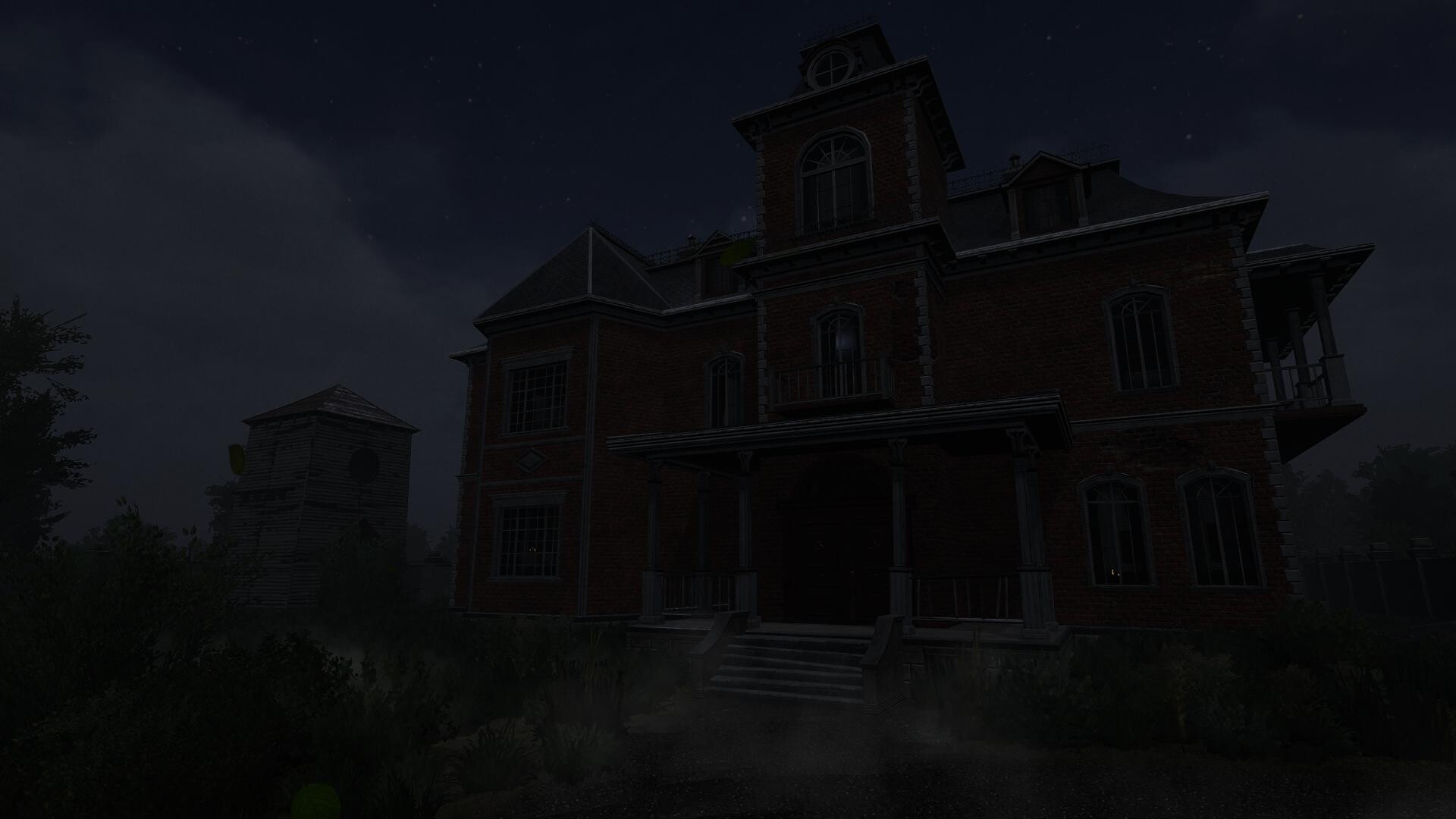
| Official premise | Jin searches a decaying mansion for his missing sister; the estate feels “erased”—no photos, no names—and restoring power uncovers encrypted documents, falsified identities and a concealed operation. |
Who this is for
Trace of the Villa is aimed at players who prefer atmospheric mystery adventure and psychological investigation over reflex-based horror. If you like environmental storytelling, clue-driven exploration, and story-rich adventure that rewards patient reading of details, this fits. If you expect constant action or jump-scare set pieces, this is likely not your beat.
What the game is
On its Steam page Trace of the Villa frames itself as a narrative investigation: Jin follows a lead to a remote, decaying mansion where seemingly lived-in rooms and absent identities form the central mystery. The game mixes exploration, puzzle solving and investigative discovery as players restore systems, open hidden compartments, and assemble fragments of falsified records to reconstruct what happened.

When and where
Trace of the Villa is available on Steam with a release date of 28 May, 2026. The store page lists developer and publisher as Steadyturtle Co., Ltd., and the Steam product page includes standard accessibility options such as subtitle support and custom volume controls.
Why the themes of unexplained spaces and identity erasure matter
Unexplained spaces—rooms that look lived-in but lack photographs, names or history—create narrative friction. In Trace of the Villa that friction becomes gameplay: the absence of identity is not decorative, it is evidence. When a location has been deliberately sanitized of personal markers, every object, locked door, and file becomes a lead. That approach deepens suspense because players must interpret silence and omission rather than only reacting to explicit threats.
How you progress
The Steam description makes the process clear: restoring power and reactivating systems reveals locked compartments, safes and encrypted documents. Progress looks like a sequence of investigations—power-up, examine, decrypt, cross-reference—where each solved puzzle exposes another layer of the mansion’s concealed operation (financial trails, falsified identities, and unexplained movements). The game favors clue-driven exploration and environmental puzzle design over timed inputs or action-only sequences; Steam tags include “Playable without Timed Input.”
Player scenarios — who should wishlist this
- Slow-burn atmospheric mystery fans: You prefer reading a scene’s absences as much as its details.
- Exploration and puzzle players: You like returning to containers, safes and decrypted logs to piece a timeline together.
- Story-first detectives: You appreciate narrative puzzles that reveal institutional concealment rather than pure supernatural spectacle.
- Accessibility-conscious PC players: The Steam page lists subtitle options, custom volume controls and color alternatives.
Comparison: where Trace of the Villa sits among similar games
Below is an editorial comparison on lawful criteria—genre, atmosphere, puzzle focus, exploration style, tone and pacing—based on public Steam data and official descriptions.
| Game | Release | Core hook | Atmosphere & pacing | Puzzle / exploration fit |
|---|---|---|---|---|
| Trace of the Villa | 28 May, 2026 | Mansion investigation, erased identities | Slow-burn, tense, focused on absence and institutional concealment | Clue-driven, document decryption, environmental puzzles |
| Amnesia: The Dark Descent | 8 Sep, 2010 | First-person survival horror focused on immersion and dread | Immersive, immediate dread with stronger survival elements | Environmental puzzles with sanity mechanics; heavier on atmospheric fear |
| SOMA | 21 Sep, 2015 | Sci-fi horror that questions identity and existence | Philosophical, unsettling, combines claustrophobia with existential themes | Exploration-led narrative with puzzle and stealth elements |
| Layers of Fear (2016) | 15 Feb, 2016 | Shifting Victorian mansion tied to a painter’s unraveling | Psychological, surreal, arthouse pacing | House-as-puzzle design with changing spaces and narrative reveals |
| Poppy Playtime | 12 Oct, 2021 | Horror/puzzle adventure in an abandoned toy factory | Higher-energy tension with clearer antagonist moments | Puzzle mechanics tied to gadget use and set-piece encounters |
Editorial note: Trace of the Villa sits closer to investigation-driven titles that use absence and administrative concealment as the engine of suspense, rather than action-oriented horror focused on frequent enemy encounters.
YouTube discovery
If you want trailers or gameplay clips, search for Trace of the Villa on YouTube: Trace of the Villa trailer & gameplay (YouTube search). This is a discovery link—verify any specific video before assuming it is an official trailer.
Decide if it fits your shelf
Wishlist Trace of the Villa if you want an atmospheric mystery adventure that rewards careful reading of space and omission. Skip it or wait for more player reaction if you’re chasing constant scares or action pacing. The core appeal is investigative tension: identity erasure, institutional cover-ups, and the slow uncovering of what a place was used for.