
Trace of the Villa — where locked-room logic, clue chains, and environmental reading meet a mansion mystery
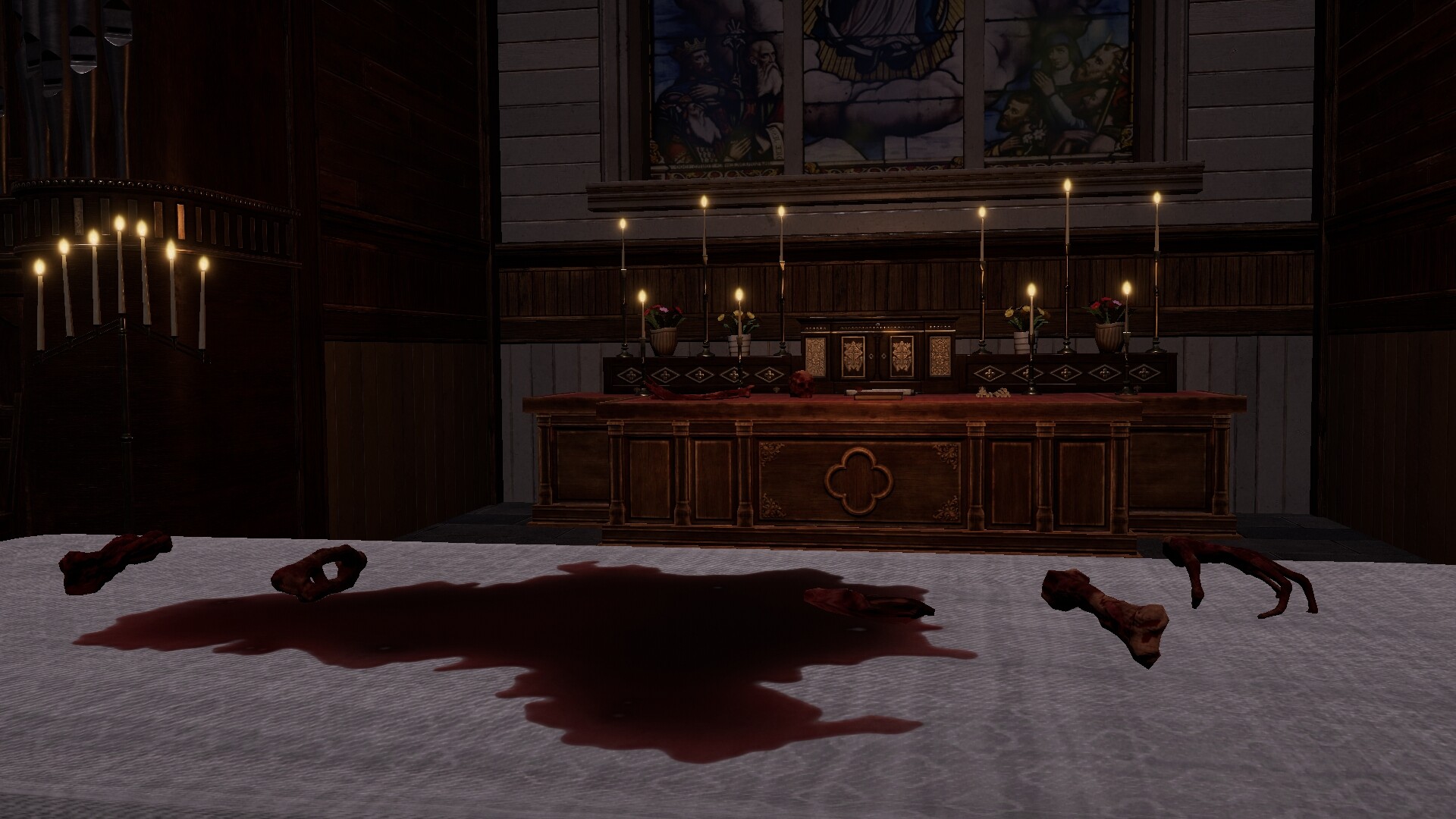
Trace of the Villa arrives on Steam on 28 May, 2026 from Steadyturtle Co., Ltd., positioning itself as an atmospheric, clue-driven adventure set inside a deliberately decaying mansion. If you search Steam for escape-room style mystery games, this title leans into slow-burn investigation and environmental storytelling over reflex-based action.

Who should wishlist Trace of the Villa?
This is for players who prefer investigative pacing to twitch reflexes: people who enjoy atmospheric mystery adventures, narrative puzzle design that unfolds in chained discoveries, and exploration that treats rooms as primary evidence. If you appreciate games that reward careful environmental reading, connecting small artifacts into bigger timelines, or you look for story-rich adventure elements with investigative beats, add it to your Steam wishlist.
What Trace of the Villa is (and isn’t)
What it is: an Action/Adventure/Indie title on Steam where the playable protagonist, Jin, follows leads to a remote, decaying mansion and recovers manifests and hints suggesting his missing sister may still be alive. The Steam description emphasizes locked doors, restored systems, safes and encrypted documents — a structure suited to chained puzzle solving and gradual revelation.
What it isn’t: a multiplayer escape-room simulator or a fast-paced action-only title. The Steam categories list it as Single-player and tags like Playable without Timed Input and Subtitle Options indicate a focus on deliberate exploration and accessibility rather than timed challenges.
When and where — Steam specifics
Release date on Steam: 28 May, 2026. Developer and publisher: Steadyturtle Co., Ltd. The Steam page lists the game under genres Action, Adventure, Indie and includes categories such as Single-player, Color Alternatives, Custom Volume Controls, Playable without Timed Input, Subtitle Options, and Family Sharing.
Why the mansion setting matters for puzzle design
Mansions in mystery games act as compressed worlds: rooms are micro-environments of identity, routine, and concealment. Trace of the Villa’s Steam description repeatedly points to rooms that look “as if occupants vanished mid-routine,” missing names and photographs, and secured systems that reveal financial and identity trails. That setup naturally supports locked-room thinking—each sealed door, safe, or terminal becomes a logical node in a chain of clues.
How the player reads clues and progresses
Based on the official Steam text, progression relies on restoration and discovery: restore power to unlock systems, find hidden compartments and safes, and piece together encrypted manifests and transfer records. That implies a gameplay loop familiar to escape-room fans but oriented toward investigation: environmental forensics (what a room contains and omits), document decoding (fragments and manifests), and chained puzzles where solving one lock reveals a new context for earlier evidence.

Short facts: Trace of the Villa
| Title | Trace of the Villa |
|---|---|
| Steam appid | 3483660 |
| Release date | 28 May, 2026 |
| Developer / Publisher | Steadyturtle Co., Ltd. |
| Genres | Action, Adventure, Indie |
| Key categories | Single-player; Playable without Timed Input; Subtitle Options; Family Sharing; Color Alternatives; Custom Volume Controls |
| Short premise | Jin searches a remote, decaying mansion for leads that suggest his missing sister may still be alive; locked doors and restored systems reveal manifests and hints. |
How it compares (quick editorial table)
This comparison focuses on puzzle style, atmosphere, exploration pace and player fit — not ratings or sales.
| Title | Core puzzle style | Atmosphere & story tone | Exploration pace / player fit |
|---|---|---|---|
| Trace of the Villa | Locked-room chains, document fragments, environmental forensics | Slow-burn mansion mystery; quiet, unsettling, investigation-driven | Deliberate; for players who read rooms and reconstruct timelines |
| The Room | Mechanical safes and tactile puzzles focused on object manipulation | Claustrophobic, occult-tinged mystery | Focused, puzzle-box play; single-room intensity |
| The Room Two | Expanded mechanical puzzles across linked environments | Mystical and atmospheric; exploratory tension | Moderate pace; for players who like layered mechanical enigmas |
| Escape Simulator | Highly interactive escape-room simulation; physics and object use | Light to tense depending on room; workshop-driven variety | Variable; suits social co-op or solo players who enjoy hands-on interaction |
Player scenarios: who will enjoy Trace of the Villa — three concrete cases
- Investigator-first player: You enjoy reading subtle visual cues (missing photos, shifted rugs, isolated paperwork) and forming hypotheses before acting. You won’t mind slow reveals if each solved lock recontextualizes prior discoveries.
- Puzzle-chain fan: You like puzzles that unlock further investigation—safes yielding encrypted manifests, terminals revealing new leads—and prefer chained problem design over isolated mini-games.
- Story-focused explorer: You want a narrative reason to poke through every room. If a personal motive (the protagonist Jin searching for a sister) makes the stakes feel real for you, the mansion’s archive approach will appeal.
YouTube discovery
If you want to see trailers or gameplay snippets, use this YouTube search path (note: this is a discovery link — a specific official video may or may not be the top result): Search Trace of the Villa trailer & gameplay on YouTube.
Ready to see the Steam page? Visit Trace of the Villa on Steam
Disclaimer: Referenced titles and trademarks belong to their respective owners. Comparisons are editorial discovery only and not endorsements.
Leave a Reply