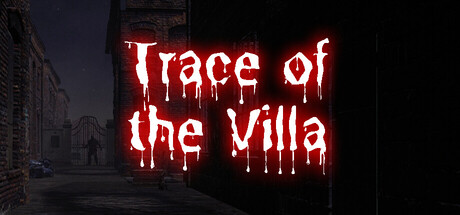
Trace of the Villa — a premise-first guide for players chasing mystery and backstory
Jin has spent years searching for his missing sister, following a lead that points to a remote, decaying mansion where manifests and hints suggest she may still be alive. Trace of the Villa (Steadyturtle Co., Ltd., release date 28 May, 2026) frames that search as a puzzle-driven investigation inside a property where identities and records have been deliberately erased.

Quick facts
| Title | Trace of the Villa |
|---|---|
| Developer / Publisher | Steadyturtle Co., Ltd. |
| Release date | 28 May, 2026 |
| Genres | Action · Adventure · Indie |
| Platform / Context | Steam (PC) — single-player; includes Color Alternatives, Custom Volume Controls, Subtitle Options, and Family Sharing |
| Official premise | Jin has spent years searching for his missing sister; leads point to a remote mansion where recovered manifests and hints indicate she may still be alive. |
Who this is for
If you gravitate toward atmospheric mystery adventure with slow-burn suspense, Trace of the Villa will appeal when you want story context without scripted spoilers. This is for players who prefer environmental storytelling and clue-driven exploration over loud jump scares — people who like piecing together a life from fragments (manifests, encrypted records, power systems that reveal locked areas). Also a fit if you value accessibility options (color alternatives, subtitle options, custom volume controls) and a single-player, PC-focused experience.
What the game actually is
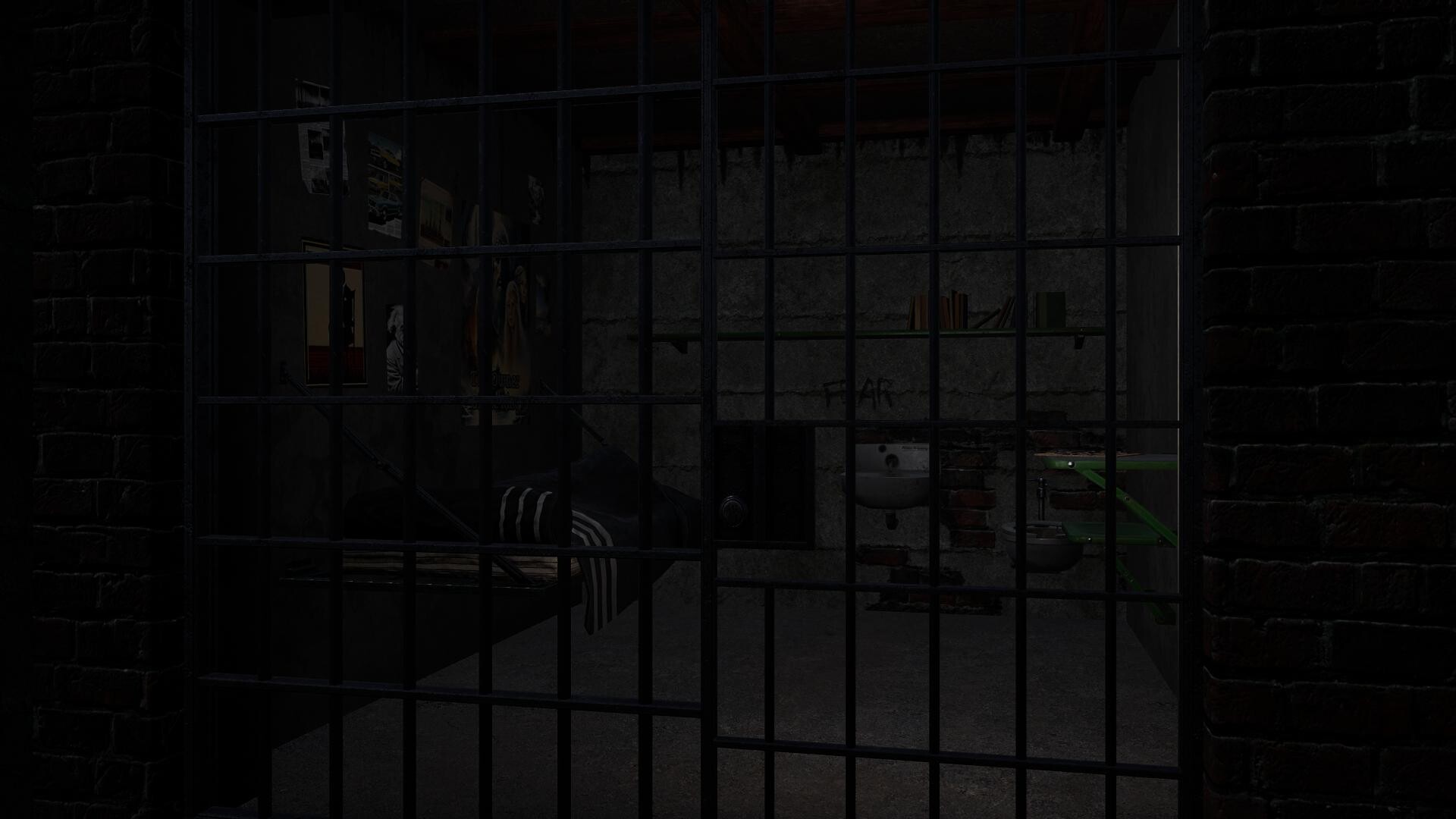
At its core Trace of the Villa asks the player to perform a detective’s work inside a deliberately forgotten estate. The Steam listing frames progression as restoration and discovery: restoring power, unlocking hidden compartments, and uncovering fragmented documents and suspicious transfer records. The mansion functions as both environment and case file — rooms look lived-in but lack names or photographs, hinting at an operation that erased identities. The narrative is puzzle-forward: solve systems and environmental puzzles to expose more records and testimony, then follow the trail they leave.

When and where
Trace of the Villa launched on Steam on 28 May, 2026. The Steam store page lists the developer and publisher as Steadyturtle Co., Ltd., and categorizes the game as Action / Adventure / Indie with single-player support and accessibility options. If you want to wishlist or purchase, use the Steam store page for the definitive release and platform details.
Why the theme matters
Thematically, the game trades on erasure — of records, of names, of ownership — which changes how players pursue answers. Rather than a single dramatic reveal, the premise suggests a layered investigation: financial trails that lead nowhere, falsified identities, and people moved under strict control. That emphasis shapes the mood: it’s a psychological investigation through objects and systems, where the absence of conventional evidence is itself a clue.
How you progress — read clues without spoilers
- Environmental reconstruction: restoring power and reactivating the estate’s systems surfaces new areas and locked information.
- Document fragments: encrypted documents and manifests provide threads. Expect to synthesize partial records into plausible narratives, not handed-down exposition.
- Puzzle integration: locks, safes, and secured systems are interleaved with the story so solving the mechanics advances context rather than acting as isolated challenges.
This is a gradual reveal model: early puzzle solves open practical access, later solves add narrative resolution. The Steam description emphasizes discovery through recovered manifests and hints rather than explicit cutscene-driven revelations.
Player scenarios — will you enjoy it?
- Scenario A — You like methodical unraveling: You prefer to map an estate, catalog evidence, and slowly connect names and transfers. Trace of the Villa’s record- and system-focused investigation suits you.
- Scenario B — You want atmospheric tension with puzzle play: If you enjoy atmospheric mansion mysteries where the environment does much of the storytelling, this aligns with that taste.
- Scenario C — You want fast-paced action/horror: The official materials emphasize investigation and revelation over action-driven spectacle; if tight combat or arcade pacing is your priority, this may be a different fit.
Comparison: how Trace of the Villa sits next to related narrative mysteries
Below is a concise editorial comparison on lawful criteria: genre, atmosphere, puzzle focus, exploration style, story tone, pacing, and suggested player fit.
| Title | Genre / Atmosphere | Puzzle / Investigation | Exploration Style | Story Tone & Pacing | Player fit |
|---|---|---|---|---|---|
| Trace of the Villa | Action · Adventure · Indie — mansion mystery, slow-burn suspense | Clue-driven, documents, locked systems, environmental puzzles | Focused estate exploration; system reactivation reveals areas | Procedural reveal; investigative and atmospheric | Players who prefer methodical, narrative puzzle design and environmental storytelling |
| Inscryption | Adventure · Indie — inky, psychological | Card-based puzzles and meta-layer secrets | Layered, card-table + escape-room hybrid | Psychological, experimental; reveals through mechanics and meta-narrative | Players who like mechanic-driven mysteries and meta surprises |
| Outer Wilds | Action · Adventure — cosmic mystery | Exploratory puzzles, physics and observational clues | Open solar system; non-linear exploration | Curiosity-led, emergent discovery; slow-burn with time loop structure | Players who prefer open-world, discovery-based investigation |
| Journey | Adventure · Indie — contemplative, visual | Puzzle-lite; atmosphere and traversal are primary | Linear but evocative expedition | Meditative and emotional pacing | Players seeking emotional atmosphere more than investigative depth |
| The Forgotten City | Adventure · Indie · RPG — time-loop mystery | Dialogue and logic puzzles centered on social rules | Exploration of a contained ancient environment | Philosophical, structured puzzle progression | Players who enjoy moral puzzles and structured narrative mechanics |
| The Medium | Adventure — psychological horror; dual-reality | Puzzle-solving across two realms, narrative-driven | Linear exploration through a resort and spirit world | Psychological and atmospheric; story-forward pacing | Players who want narrative horror with environmental puzzle work |
How to decide: a short checklist
- Do you enjoy reconstructing a story from fragments (manifests, transfer records)? — Yes → likely a good match.
- Do you prefer rapid action or combat-first design? — If yes, Trace of the Villa may feel slower-paced.
- Is environmental storytelling and accessible presentation important? — The Steam page lists subtitle options, color alternatives and custom volume controls, which help readability and comfort.
Where to watch trailers and clips
Search for trailers and gameplay videos on YouTube: Trace of the Villa trailers and gameplay. This link is a discovery path; it does not assert any single video is the official trailer.
View Trace of the Villa on Steam
Disclaimer: Referenced titles and trademarks belong to
Leave a Reply