
Trace of the Villa — How locked‑room logic and clue chains shape a slow‑burn mansion mystery
Trace of the Villa places you in a decaying, deliberately forgotten mansion where Jin follows manifests and hints that may lead to his missing sister. The Steam release (28 May, 2026) presents a focused single‑player investigation built around environmental reading, safes and encrypted fragments that open one layer of the mystery at a time.


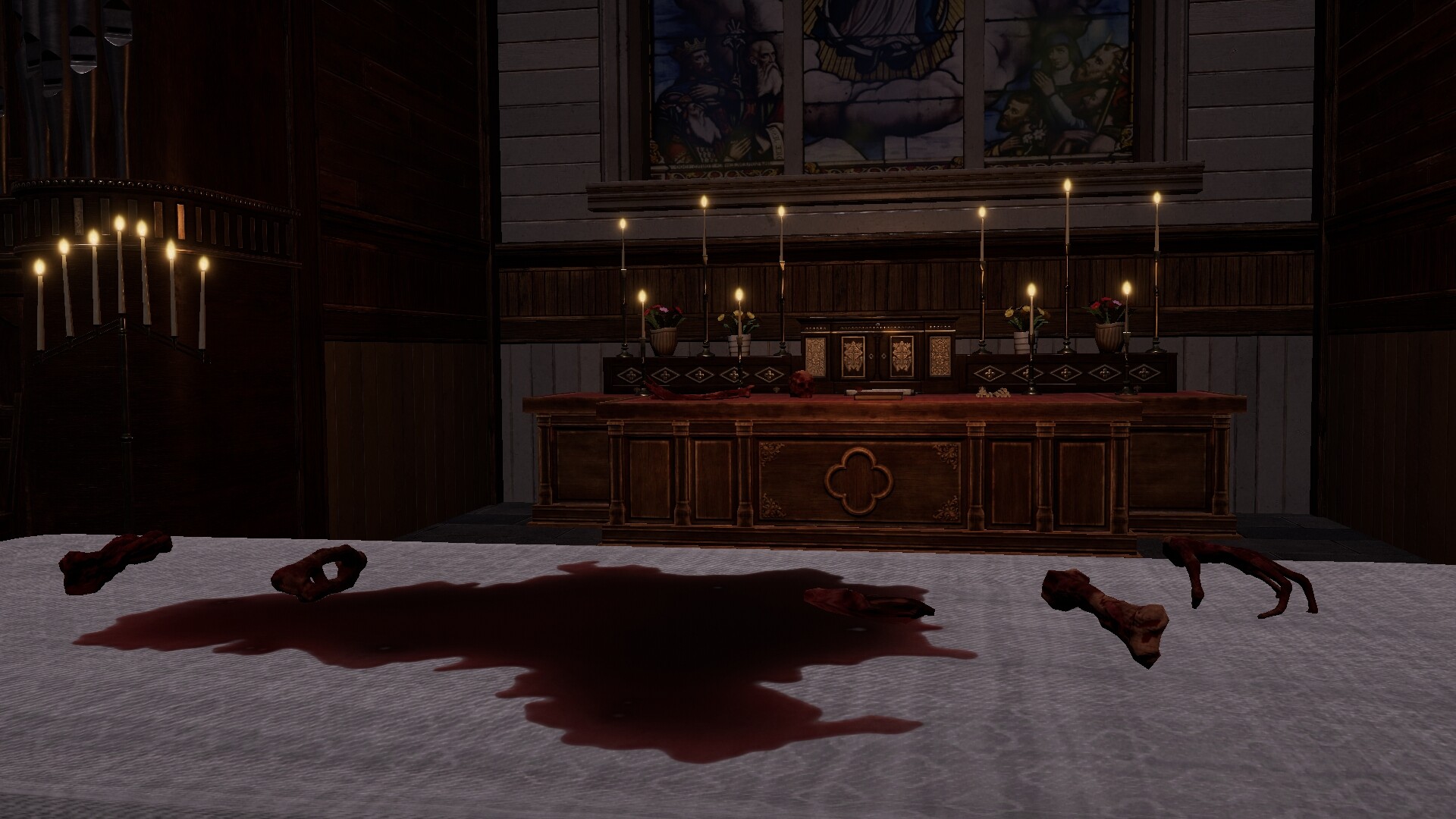
Quick facts
| Title | Trace of the Villa |
|---|---|
| Steam AppID | 3483660 |
| Release date | 28 May, 2026 |
| Developer | Steadyturtle Co., Ltd. |
| Publisher | Steadyturtle Co., Ltd. |
| Genres | Action, Adventure, Indie |
| Categories / Accessibility | Single‑player; Color Alternatives; Custom Volume Controls; Playable without Timed Input; Subtitle Options; Family Sharing |
| Official short description | Jin has spent years searching for his missing sister, pursuing leads that took him to a remote, decaying mansion where he recovered manifests and hints that indicate his sister may still be alive, somewhere at the end of the trail he is about to follow. |
Who should wishlist Trace of the Villa?
- Players who prefer single‑player, story‑rich mystery adventures that reward careful observation and chained puzzle solving.
- Fans of atmospheric mystery adventure and psychological investigation who like slow‑burn pacing rather than action spectacle.
- Anyone who values accessibility and customization: the Steam page lists subtitle options, color alternatives, custom volume controls and “playable without timed input.”
- Players who enjoy unraveling narrative through object clues, manifest fragments and restored systems rather than explicit cutscenes.
What the game is (and how it proceeds)
Trace of the Villa casts you as Jin, investigating a mansion that feels “less abandoned than erased.” The official description explains the structure: rooms left mid‑routine, locked doors hiding hastily secured secrets, safes and encrypted documents that only reveal fragments when systems are restored. That setup strongly implies a puzzle‑chain momentum: each solved lock or system provides a new clue or document that opens the next logical step of the investigation.
When and where — release and Steam context
Trace of the Villa released on Steam on 28 May, 2026. It is a PC/Steam title listed under Action, Adventure and Indie on its store page and carries single‑player and accessibility categories referenced above.
Why the theme matters: identity, control and environmental storytelling
The mansion’s conceit—people “passing through under strict control,” arrivals without records and falsified identities—frames the puzzles as more than mechanical obstacles. Object clues (manifests, transfer records, personal belongings intentionally stripped of names) are designed to be read as evidence. If you care about environmental storytelling and puzzles that feed narrative through fragments, this premise aligns with that player priority.
How you read clues and build momentum
The Steam description explicitly notes that restoring power brings secured systems back online, hidden compartments unlock and safes yield encrypted documents. In practice that translates to a locked‑room logic where: examine → restore/access → decode → follow the next lead. That chain keeps momentum by making each discovery both a payoff and a setup for the next step, rewarding players who catalogue details and cross‑reference manifests and transfer records.
Player scenarios: who will enjoy this—and who might not
- For methodical investigators: If you enjoy cataloguing object details and letting small discoveries compound into a larger pattern, the game’s clue‑chain pacing will feel satisfying.
- For narrative seekers: Players who want a story revealed through artifacts and environmental cues rather than overt exposition will appreciate the mansion’s “erased identity” tone.
- For action‑oriented players: The game’s single‑player mystery focus and emphasis on reading and restoring systems may feel too slow if you prefer combat or fast‑paced set pieces.
- For co‑op and sandbox fans: The title is single‑player; if you want shared or workshop sandbox escape rooms, a different purchase may better match that playstyle.
How Trace of the Villa compares to other escape‑room / mystery experiences
| Title | Primary focus | Gameplay emphasis | Pacing / Player fit |
|---|---|---|---|
| Trace of the Villa | Mansion mystery, environmental storytelling | Single‑player investigation, restoring systems, safes, encrypted documents (clue chains) | Slow‑burn, for players who prefer methodical clue reading and narrative puzzle chains |
| The Room | Single‑room tactile puzzles | Object‑based mechanical puzzles and safes in a confined setting | Focused, claustrophobic puzzle loops for players who like tightly constrained, tactile problems |
| Escape Simulator | Highly interactive escape rooms, solo or co‑op | Moveable objects, physics interactions, level editor and community rooms | Faster, sandboxy and social; good for players who want interactive toys and custom rooms |
YouTube discovery
If you want trailers or gameplay footage, search YouTube for Trace of the Villa using this discovery link (useful for trailers and community uploads; not a verified official video path): Search Trace of the Villa on YouTube.
View Trace of the Villa on Steam
Disclaimer: referenced titles and trademarks belong to their respective owners; comparisons in this piece are editorial discovery only and not endorsements.
Leave a Reply