
Trace of the Villa — a slow-burn mansion mystery where missing-person stakes drive the investigation
Jin has spent years searching for his missing sister, and Trace of the Villa turns that single-minded pursuit into a claustrophobic, clue-driven tour through a decaying estate where identities appear intentionally erased. The game promises investigative atmosphere and environmental storytelling as you restore power, unseal compartments, and follow financial and manifest fragments toward whatever lies at the end of the trail.

Quick facts
| Title | Trace of the Villa |
|---|---|
| Steam App ID | 3483660 |
| Release date | 28 May, 2026 |
| Developer / Publisher | Steadyturtle Co., Ltd. |
| Genres | Action • Adventure • Indie |
| Categories | Single-player; Color Alternatives; Custom Volume Controls; Playable without Timed Input; Subtitle Options; Family Sharing |
| Short premise | Jin’s search for his missing sister leads him to a remote, decaying mansion where recovered manifests and hints indicate she may still be alive somewhere at the end of the trail. |
Who is Trace of the Villa for?
If you lean toward story-rich indie adventures that foreground character motivation and the emotional weight of a missing-person case, this is aimed at you. Players who prefer atmospheric mystery, close-quarters investigation, and puzzle design that rewards attentive reading of environments — rather than combat-focused action — will find the tone and stakes compelling. The Steam page also lists accessibility features (subtitle options, color alternatives, custom volume controls, and playable without timed input), which signal an intention to support deliberate, patient players.
What the game actually is
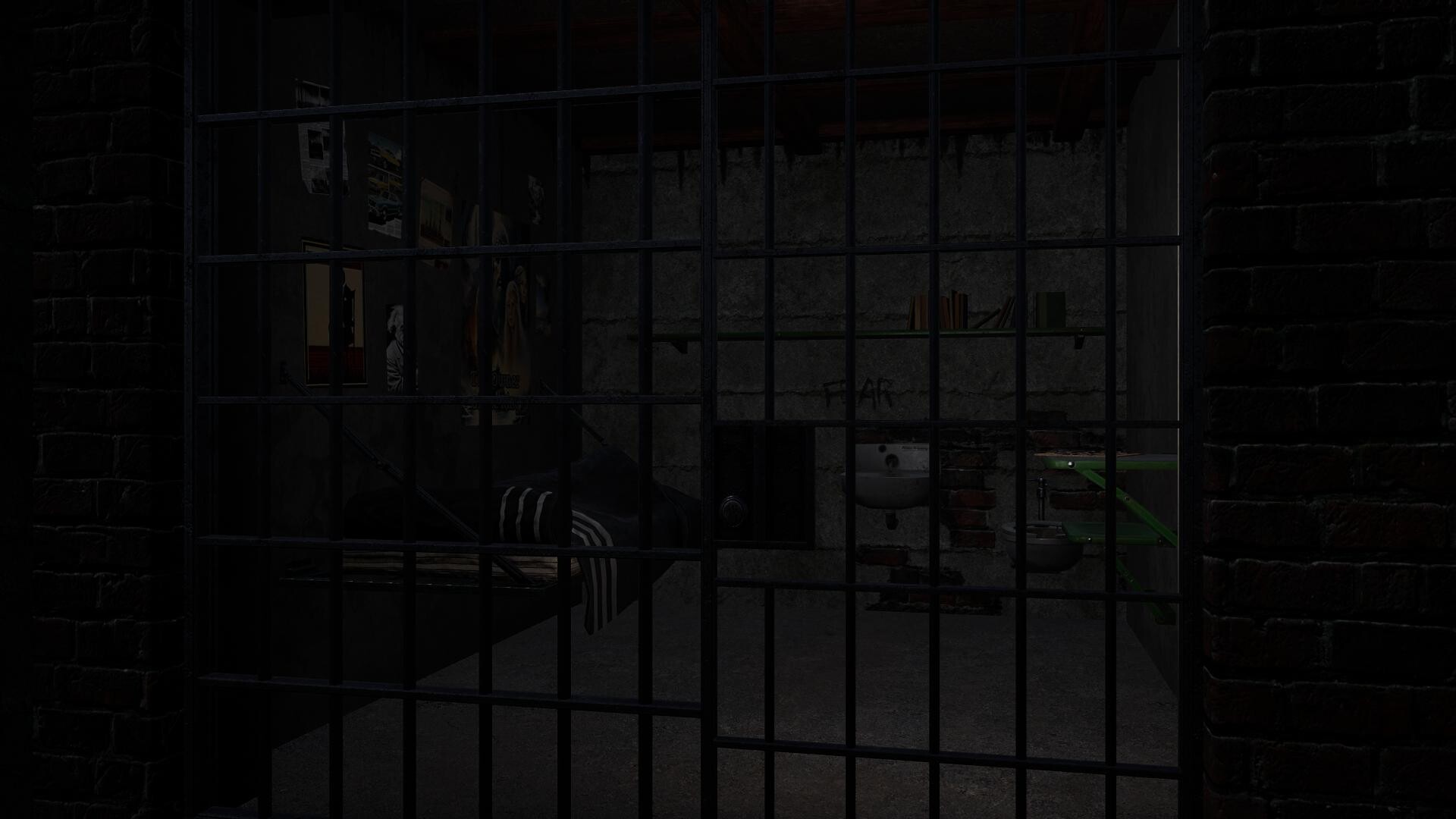
Trace of the Villa positions itself as an investigative, exploration-driven title. According to the official description, Jin discovers a decaying, off-grid mansion where rooms look as if occupants vanished mid-routine and identifying traces have been removed. Restoring power and systems inside the estate is a gameplay trigger: secured systems come back online, hidden compartments open, and safes yield fragments of encrypted documents, transfer records, and manifests. The emergent thread is a pattern of falsified identities and movements masked behind deliberate secrecy — a narrative hook that keeps the missing-person stakes real and personal.

When and where to play
Trace of the Villa released on Steam on 28 May, 2026. It appears on PC via Steam under genres Action, Adventure, Indie and supports single-player play with several accessibility-oriented categories noted on the store page.
Why the missing-person premise matters here
The emotional engine of this game is not a generic “solve the mystery” beat but a motivated search: Jin’s personal connection to the missing sister raises the stakes for every unlocked system and recovered document. That focused motivation shapes the pacing and player expectations — you are not an anonymous investigator cataloguing curiosities, but someone chasing a person through a deliberately obscured trail. That pressure changes how you interpret fragments of evidence: a manifest or a falsified transfer record becomes a possible thread toward a living person rather than an abstract plot device.
How you play and progress
The store description emphasizes restoring power and reactivating secured systems as a mechanical and narrative pivot. Progress appears tied to exploratory problem solving — unlocking rooms, solving environmental puzzles, decrypting or assembling fragments, and following financial or manifest trails. The categories “Playable without Timed Input” and subtitle options suggest a measured, puzzle-focused flow where care and observation are rewarded more than reflexes.
Player scenarios — who should wishlist it
- Investigative explorers: You prioritize environmental storytelling, note-taking, and following textual or visual clues across a confined map rather than combat or fast-paced action.
- Story-first players with a taste for personal stakes: You want the protagonist’s motivation (a missing sister) to matter in every discovery and to shape the emotional payoff.
- Atmosphere seekers who prefer slow-burn suspense: You like mansion mysteries that build tension through silence, locked doors, and the slow reactivation of systems.
- Accessible-play advocates: You value subtitle support, color alternatives, and options that remove timed inputs so the narrative can be consumed at a deliberate pace.
How Trace of the Villa compares to nearby narrative mysteries
Below is an editorial comparison focused on tone, core loop, puzzle style, exploration, and pacing — intended to help you decide which game fits your preferences.
| Title | Tone | Core loop | Puzzle / exploration focus | Pacing | Player fit |
|---|---|---|---|---|---|
| Trace of the Villa | Claustrophobic mansion mystery; missing-person stakes | Restore systems → unlock compartments → assemble documents | Environmental puzzles, clue-driven investigation | Slow-burn, deliberate | Players who want focused emotional stakes and investigation |
| Inscryption | Inky, psychological; horror blended with meta card mechanics | Card-based runs with escape-room puzzles layered in | Deckbuilding + escape-room style puzzles | Variable, often intense and surprising | Players who enjoy genre-bending mechanics and psychological horror |
| Outer Wilds | Open, curious, cosmic mystery | Explore → observe → learn planetary systems and timelines | Exploration-led discovery across an open system | Leisurely but with emergent urgency via loop mechanics | Players who prefer wide-open puzzles and discovery over confined investigation |
| The Medium | Third-person psychological horror with dual-realm exploration | Traverse real and spirit realms to uncover trauma-linked secrets | Puzzle solving tied to dual-world navigation and story beats | Moderate, cinematic | Players who want psychological horror and dual-reality mechanics |
Practical notes from the Steam page
- Developer & Publisher: Steadyturtle Co., Ltd.
- Store categories include single-player, accessibility options (color alternatives, custom volume controls), and playable without timed input.
- Official short description (store): “Jin has spent years searching for his missing sister … he recovered manifests and hints that indicate his sister may still be alive, somewhere at the end of the trail he is about to follow.”
Trailer and further media
If you want to see trailer footage or gameplay clips, search YouTube for Trace of the Villa trailer or gameplay: YouTube search — Trace of the Villa trailer & gameplay. This is a discovery path rather than an assertion that a specific video is official.
Final take — who should wishlist it
Wishlist Trace of the Villa if you prize investigative atmosphere, character-driven motivation (a missing sister) that affects every discovery, and environmental puzzle design that rewards methodical players. If you prefer sweeping, open-world mysteries or mechanic-heavy genre mashups, consider the comparison table above to weigh alternatives.
Steam page: Trace of the Villa on Steam
Disclaimer: Referenced titles and trademarks belong to their respective owners. Comparisons are editorial discovery only.
Leave a Reply