Trace of the Villa and the Case for Quiet Dread: Why Uncertainty Scares Better Than Shocks
Trace of the Villa trades loud jump scares for the slow creep of something that doesn’t quite add up — a decaying mansion, erased identities, and a trail of manifests that tease a larger operation. That kind of quiet tension — the persistent, unresolved doubt that a house remembers more than it should — is the engine of psychological investigation and sustained unease.

Who this is for
If you prefer atmospheric mystery adventure and story-rich exploration to non-stop shocks, Trace of the Villa is aimed at you. The game fits players who like slow-burn suspense, environmental storytelling, and puzzle-driven progress — those who want to read a place as much as they solve it. It also suits players who value accessibility options: the Steam page lists categories such as Single-player, Color Alternatives, Custom Volume Controls, Playable without Timed Input, and Subtitle Options.
What the game is
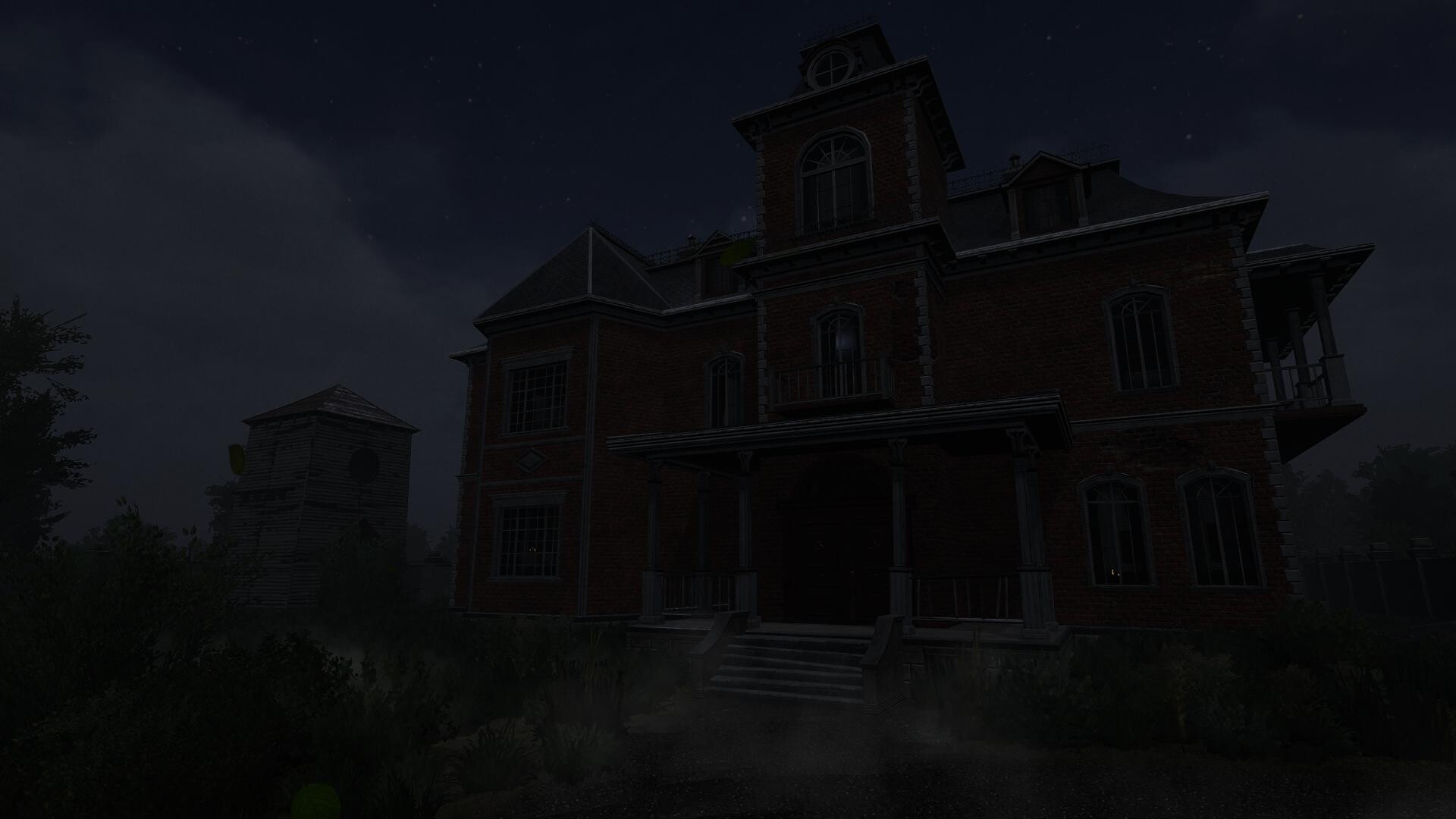
Trace of the Villa is an Action / Adventure / Indie title from Steadyturtle Co., Ltd. You play as Jin, who has spent years searching for his missing sister and follows a lead to a remote, decaying mansion. Inside, furnished rooms look like occupants vanished mid-routine; identities appear scrubbed from the estate; and when Jin restores power, secured systems, hidden compartments, and safes begin to reveal encrypted fragments and suspicious transfer records. The narrative and puzzle loop centers on recovering manifests and hints that suggest Jin’s sister may still be alive somewhere down the trail.
When and where
Trace of the Villa released on 28 May, 2026 and is available on Steam for PC. The Steam store listing includes multiple official images and screenshots showing interiors of the mansion and UI hints; you can locate the store page via the widget at the end of this post.

Why the theme matters: quiet dread over shock claims
Psychological horror built from uncertainty forces the player to supply the fear. An empty room with a single overturned chair, a safe that yields only a torn manifest, or a corridor where systems only occasionally flicker back to life — these elements keep the mind active. Trace of the Villa’s premise (identities removed, arrivals without records, departures without witnesses) uses absence as a design lever: every unanswered question widens the emotional gap the player must bridge. That persistent ambiguity is often more disquieting than a sudden visual scare because it lingers after you put the controller down.
How you progress — the investigative loop
Progress in Trace of the Villa is clue-driven. According to the official description, Jin recovers manifests and hints, restores power to an estate, and unlocks secured systems that reveal hidden compartments and encrypted documents. The game frames advancement as piecing together evidentiary fragments: restore systems, access sealed areas, decode fragments, and follow financial or identity irregularities to reconstruct what the mansion erased. That design implies a steady alternation between quiet exploration, puzzle solving, and interpretive reading of documents found on-site.
Compact facts: Trace of the Villa
| Title | Trace of the Villa |
|---|---|
| Steam appid | 3483660 |
| Release date | 28 May, 2026 |
| Developer / Publisher | Steadyturtle Co., Ltd. |
| Genres | Action, Adventure, Indie |
| Key categories | Single-player; Color Alternatives; Custom Volume Controls; Playable without Timed Input; Subtitle Options; Family Sharing |
| Protagonist / Premise | Jin searches a decaying, remote mansion for his missing sister; manifests and hints suggest she may still be alive. |
| Steam review state (public) | No user reviews listed on the store at time of inspection. |
Comparison: where Trace of the Villa sits among psychological/mansion games
Below is an editorial comparison on lawful criteria — not a ranking — that highlights differences in atmosphere, puzzle focus, exploration style, story tone, and pacing so you can decide if Trace of the Villa matches your tastes.
| Title | Release | Atmosphere | Puzzle / Exploration | Pacing & Story Tone | Player fit |
|---|---|---|---|---|---|
| Trace of the Villa | 28 May, 2026 | Decaying mansion, erased identities, quiet investigative dread | Clue-driven: manifests, secured systems, hidden compartments | Slow-burn suspense; investigative reveal through documents and systems | Players who prefer atmospheric mystery adventure and narrative puzzles |
| Amnesia: The Dark Descent | 8 Sep, 2010 | Immersion and dread in an oppressive, first-person setting | Exploration and survival mechanics with puzzle elements | Relentless, claustrophobic horror with a focus on survival tension | Players wanting immersion and pervasive helplessness |
| SOMA | 21 Sep, 2015 | Sci-fi undersea unease; existential, atmospheric tension | Exploration and narrative puzzles; environmental storytelling | Measured, philosophical pacing that questions identity and consciousness | Players drawn to story-rich, contemplative sci-fi horror |
| Layers of Fear (2016) | 15 Feb, 2016 | Ever-shifting Victorian mansion; surreal, painterly horror | Environmental puzzles integrated into a changing house | Art-driven psychodrama with fluctuating reality and pacing | Players who want narrative-driven, atmosphere-first psychological horror |
Leave a Reply