
Trace of the Villa — a premise-first guide for readers who want story context without spoilers
Jin has spent years searching for his missing sister, following a lead to a remote, decaying mansion where manifests and hints suggest she may still be alive. If you care more about the narrative hook and investigative tone than explicit plot beats, this guide lays out what Trace of the Villa is, who it will suit, and how the game delivers clues — with no story spoilers.

Who this is for
If you seek atmospheric mystery adventure on PC — slow-burn suspense, environmental storytelling, and clue-driven exploration — Trace of the Villa is aimed at that palette. The Steam metadata positions it as an Action / Adventure / Indie title with single-player focus and accessibility options (Color Alternatives, Custom Volume Controls, Playable without Timed Input, Subtitle Options). It will most likely appeal to players who prioritize narrative context and puzzle discovery over fast reflex gameplay.
What the game is (premise-first)
Trace of the Villa puts you in the role of Jin, a protagonist with a clear, emotionally charged goal: find his missing sister. The official short description frames the central setup plainly — a remote, decaying mansion, recovered manifests and hints, and a trail that suggests she may still be alive. The game’s on-page narrative emphasizes investigation and piecing together a concealed operation: restoring estate systems, unlocking hidden compartments, and uncovering encrypted documents and suspicious transfer records. Official text also notes that “Each puzzle solved uncovers another layer of a carefully concealed operation” — so expect narrative beats to arrive through solved puzzles and recovered evidence rather than direct exposition.
When and where (Steam context)
Trace of the Villa released on 28 May, 2026 and is available on Steam for PC. Developer and publisher are listed as Steadyturtle Co., Ltd. On Steam it’s categorized under Action, Adventure, Indie and listed with the single-player and accessibility features noted above.
Why the theme matters (tone and investigative focus)
The mansion-as-evidence model matters because it frames storytelling through objects, systems, and absence. According to the official description, rooms look as if occupants vanished mid-routine and identities appear deliberately erased — that setup primes the player for a psychological investigation where context is reconstructed from fragments: manifests, secured systems, safes, and falsified records. If you like stories that let you infer motive and history from environmental detail, this approach rewards close reading of the world rather than cutscene-driven reveals.
How you read clues and progress (what to expect mechanically)
Steam copy indicates a progression loop tied to investigation: restore power and estate systems, solve puzzles, and use recovered documents to follow financial and identity trails. The official description specifically mentions encrypted documents, suspicious transfer records, and movements masked behind falsified identities — all clues that point outward from the estate to something larger. Expect a blend of environmental puzzles and document-based detective work; narrative advancement is driven by solving those puzzles and unlocking new information layers.
Visuals — two in-game screenshots

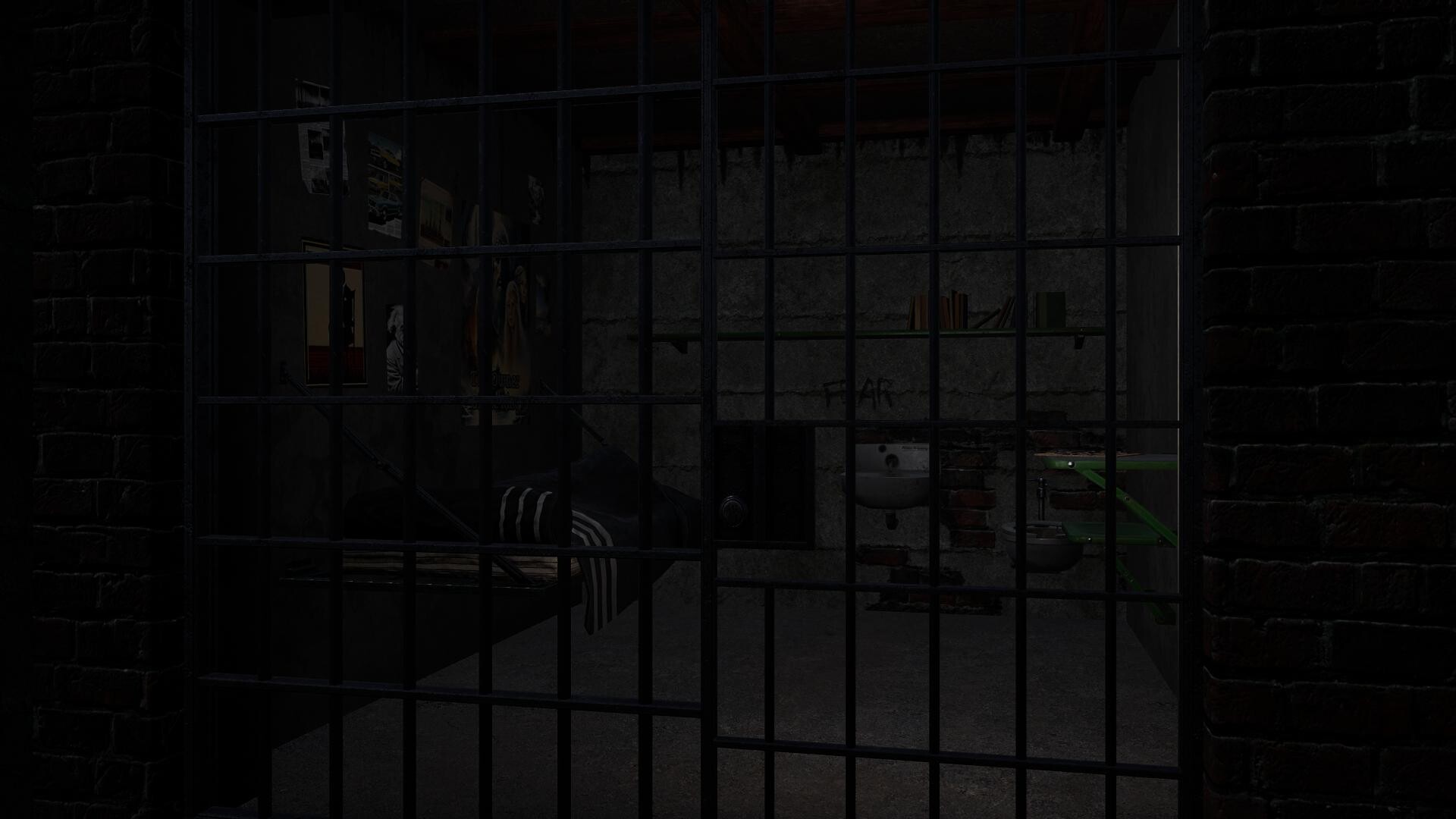
Compact facts — Trace of the Villa
| Title | Trace of the Villa |
|---|---|
| Release date | 28 May, 2026 |
| Developer / Publisher | Steadyturtle Co., Ltd. |
| Genres | Action, Adventure, Indie |
| Steam categories | Single-player; Color Alternatives; Custom Volume Controls; Playable without Timed Input; Subtitle Options; Family Sharing |
| Steam appid | 3483660 |
| Official premise | Jin searches a decaying mansion where recovered manifests and hints suggest his missing sister may still be alive. |
Comparison: where Trace of the Villa sits among narrative mystery games
Below is a compact editorial comparison focused on story approach, puzzle emphasis, atmosphere, and pacing so you can judge fit without flavor text or sales claims.
| Title | Story focus | Puzzle / Exploration | Tone & pacing | Player fit |
|---|---|---|---|---|
| Trace of the Villa | Document-driven investigation of a vanished-occupants mansion (Jin searching for his sister). | Clue recovery, restoring systems, encrypted documents, puzzles that reveal layers of an operation. | Slow-burn, atmospheric, tense; evidence-first reveals. | Players who like environmental storytelling and detective-style puzzle progression. |
| Inscryption | Layered meta-narrative built around card-based systems and horror elements. | Deckbuilding fused with escape-room puzzles and meta puzzles. | Dark, unsettling, procedurally surprising; genre-bending pacing. | Players who enjoy mechanical twists that reveal narrative layers. |
| Outer Wilds | Open-world solar-system mystery driven by exploration and time-loop mechanics. | Exploration-first, physics and observation-based puzzles across linked environments. | Curious, exploratory, often contemplative with emergent revelations. | Players who prefer open exploration and piecing together a cosmic mystery. |
| The Medium | Psychological investigation across real and spirit realms. | Puzzle-solving that intersects two simultaneous perspectives. | Psychological, atmospheric, story-led with steady pacing. | Players who like dual-reality mechanics and a narrative focus on trauma and secrets. |
Player scenarios — which sessions suit Trace of the Villa
- Quiet, focused sessions: If you like to read documents and treat each room as a puzzle box, this fits evening-long investigative play.
- Sequence-driven curiosity: Players who prefer discovering the next clue over reflex tests will find the game’s progression appealing.
- Accessibility-minded players: Steam listing notes Playable without Timed Input, Subtitles, Color Alternatives, and Custom Volume Controls.
YouTube discovery
If you want trailer or gameplay footage, search for Trace of the Villa on YouTube: Trace of the Villa trailer & gameplay (YouTube search). This link is provided as a discovery path; the Steam metadata does not
Leave a Reply