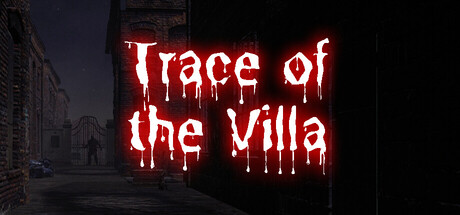
Trace of the Villa: why quiet dread and empty rooms do more work than jump scares
Trace of the Villa invites you to push open a mansion that feels erased of its people and slowly watch the house give up its secrets. The game trades loud shocks for the steady pressure of uncertainty — a slow-burn approach that asks players to read absence as evidence.

Quick facts
| Title | Trace of the Villa |
|---|---|
| Developer / Publisher | Steadyturtle Co., Ltd. |
| Steam appid | 3483660 |
| Release date | 28 May, 2026 |
| Genres | Action, Adventure, Indie |
| Categories (selected) | Single-player; Subtitle Options; Playable without Timed Input; Custom Volume Controls |
| Steam page | Trace of the Villa on Steam |
Who is this for?
- Players who prefer slow-burn suspense over constant adrenaline — those who want tension baked into every empty corridor and domestic detail.
- Fans of environmental storytelling and clue-driven exploration: if reading manifests, unlocking safes, and restoring systems to reveal fragments of a timeline appeals, this fits.
- People who enjoy story-rich adventures set in isolated, decaying locations — especially a mansion mystery framed around a personal search (the protagonist Jin is pursuing leads tied to his missing sister).
What the game is (and what it does)
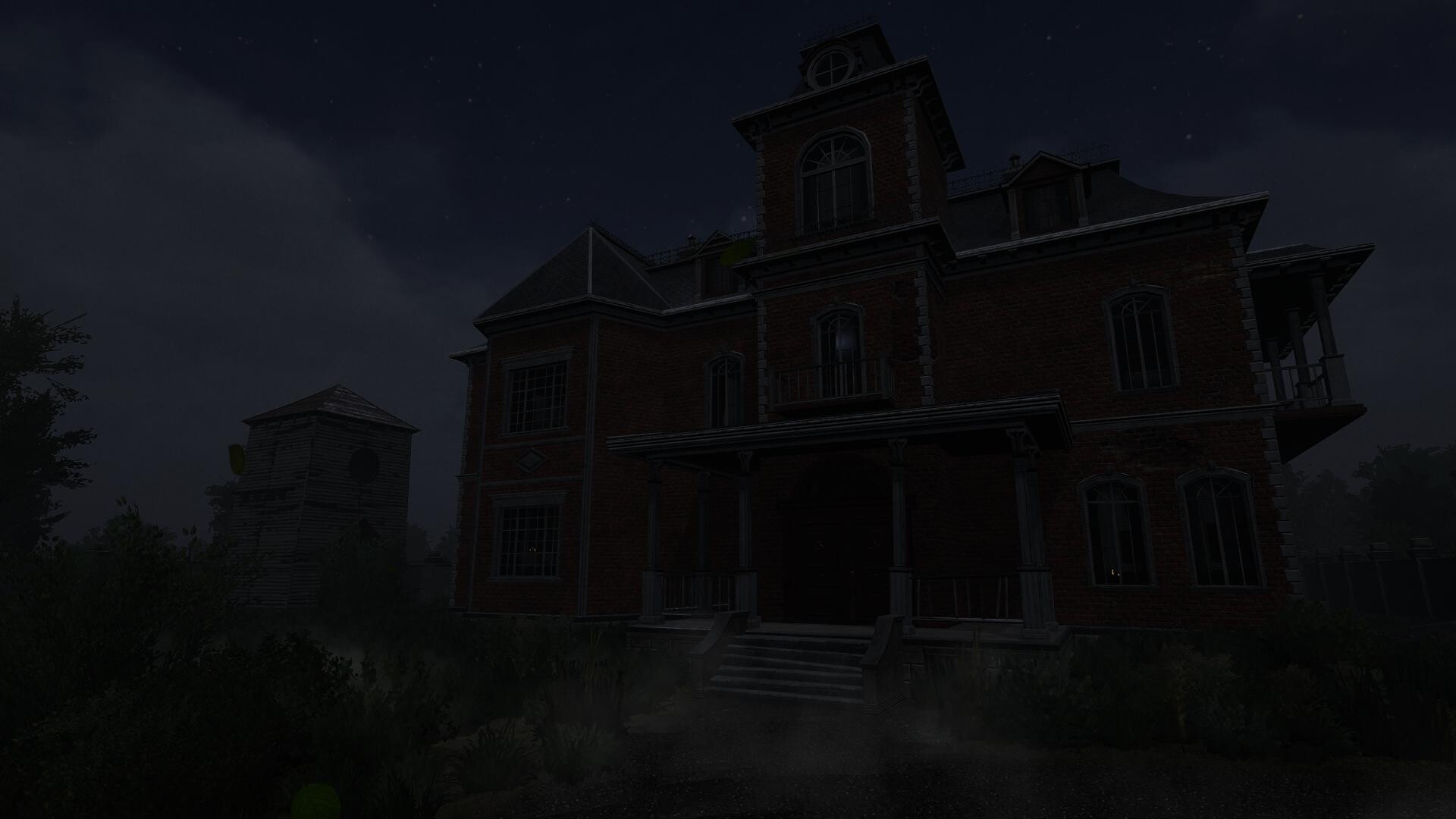
The official Steam description frames Trace of the Villa as a narrative investigation: “Jin has spent years searching for his missing sister… a remote, decaying mansion where he recovered manifests and hints that indicate his sister may still be alive.” The estate is cut off, furnished as if people vanished mid-routine, and the player is meant to restore systems and follow paper trails that point to a larger, concealed operation.

When and where
Trace of the Villa released on Steam on 28 May, 2026. It’s listed on Steam with categories that emphasize single-player narrative play and accessibility options such as subtitle support and custom volume controls.
Why quiet tension and uncertainty matter here
Psychological horror lives in what’s not shown. The mansion in Trace of the Villa is deliberately “less abandoned than erased” — rooms staged as if people suddenly ceased to exist, personal effects present but names and photos missing. That absence creates cognitive dissonance: familiar domestic cues that should comfort instead signal manipulation. Restoring power and systems, a design choice highlighted in the official description, lets the game convert silence into information slowly; each recovered system unlocks another layer of context rather than delivering a jump-scare payoff.
How you progress — the puzzle and investigation loop
Progression is investigative and methodical. Official copy lists concrete actions you’ll perform: restoring power to the estate, bringing secured systems back online, unlocking hidden compartments, and opening safes that reveal fragments of encrypted documents and suspicious transfer records. The game ties environmental puzzles to narrative beats — solving one puzzle reveals another clue in a financial or identity trail — so exploration, observation, and piecing together partial records are the primary instruments of forward motion.
Player scenarios — who should wishlist this
- Quiet atmosphere player: You want dread that accumulates. You’re comfortable letting an empty hallway do the work instead of being startled every few minutes.
- Puzzle-oriented investigator: You enjoy piecing together encrypted documents, manifests, and financial traces to assemble a timeline.
- Story-first explorers: You favor environmental storytelling and narrative puzzle design where the setting supplies personality and motive rather than cutscenes.
- Mansion mystery fans: If the idea of a house that looks lived-in but stripped of identity intrigues you, this is aligned with your tastes.
How it compares to nearby psychological and tension games
Below is a compact editorial comparison that highlights how Trace of the Villa positions itself against other well-known psychological or atmospheric horror/adventure titles. This is an editorial discovery comparison focused on genre, tone, puzzle emphasis, and pacing.
| Title | Genre / Tone | Puzzle / Exploration Focus | Setting / Atmosphere | Pacing / Player Fit |
|---|---|---|---|---|
| Trace of the Villa | Action / Adventure / Indie — mansion mystery, slow-burn suspense | Clue-driven puzzles: restoring systems, safes, encrypted documents | Remote, decaying mansion; staged domestic spaces and erased identities | Deliberate pacing; for players who prefer investigation over constant shocks |
| Amnesia: The Dark Descent | Action / Adventure / Indie — immersion and survival horror | Discovery and survival mechanics that emphasize vulnerability | Dark, oppressive asylum/estate environments | Intense, immersion-first pacing for high-tension play |
| SOMA | Action / Adventure / Indie — sci-fi psychological horror | Exploration with philosophical narrative beats; environmental puzzles | Underwater facility with existential atmosphere | Slow to mid pacing with emphasis on story and existential questions |
| Layers of Fear (2016) | Adventure / Indie — psychological horror focused on atmosphere | Environmental storytelling and shifting-level puzzles tied to narrative | Victorian mansion, surreal and shifting interior spaces | Slow-burn, hallucinatory pacing; for players who want story-driven dread |
| Poppy Playtime | Action / Adventure / Indie — horror/puzzle adventure | Puzzle tools (e.g., the GrabPack) and encounters with hostile toys | Abandoned toy factory with toy-themed hazards | Puzzle-horror with higher-threat encounters; more frequent tension swings |
YouTube discovery
Search for trailer or gameplay clips: Trace of the Villa trailer & gameplay on YouTube. This link is provided as a discovery path; specific videos should be verified if you need an official source.
Steam link: Wishlist / view Trace of the Villa on Steam
Disclaimer: Referenced titles and trademarks belong to their respective owners. Comparisons above are editorial discovery only and do not imply endorsement or affiliation.
Leave a Reply