
Trace of the Villa and the Quiet Architecture of Dread
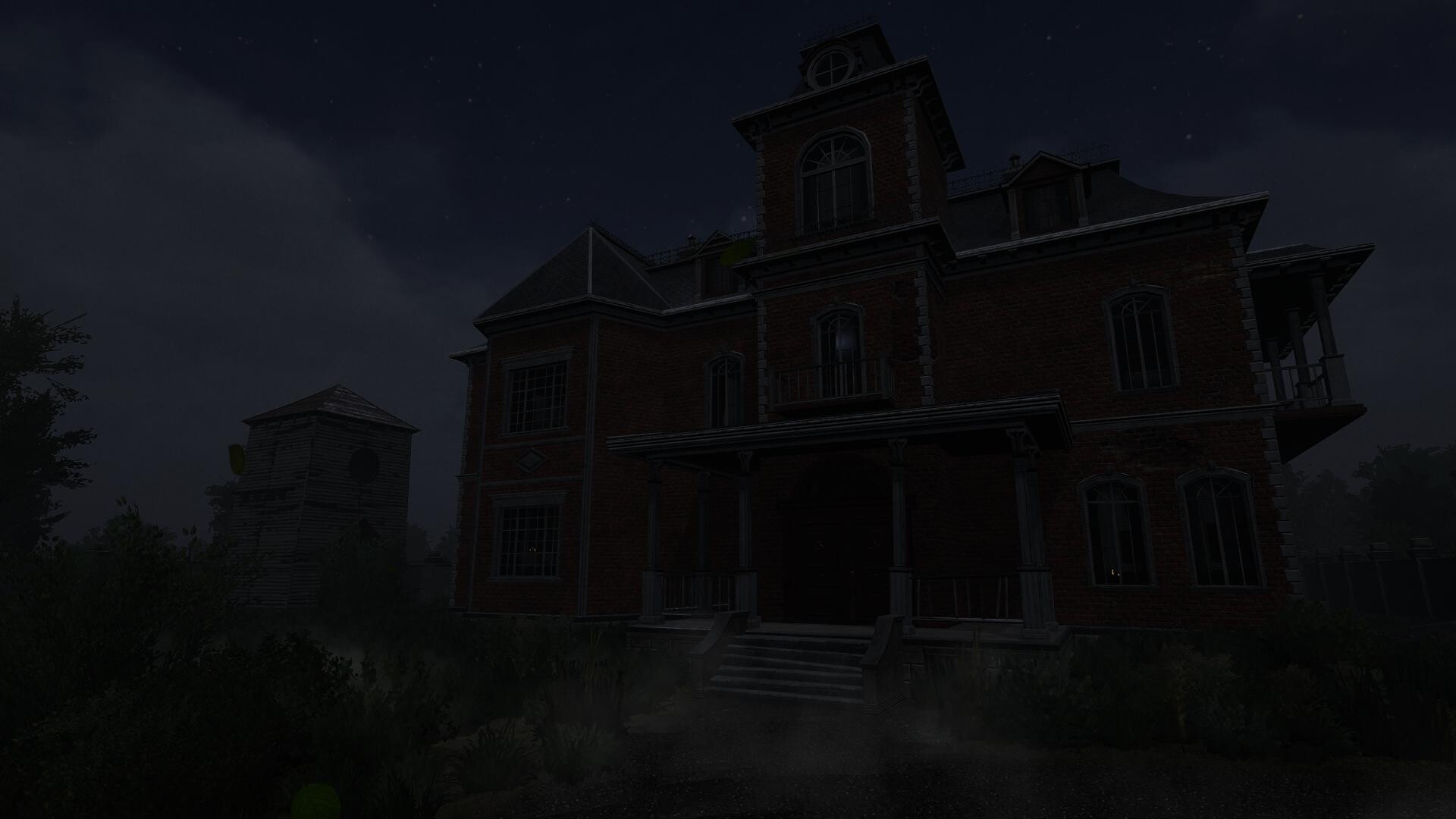
Trace of the Villa (Steadyturtle Co., Ltd.) plants its tension in rooms that refuse to speak all at once: a remote, decaying mansion where Jin pursues leads that may point to his missing sister. Released on 28 May, 2026 for PC via Steam, the game trades jump-first shocks for an accumulating sense of erasure—furniture left as if interrupted mid-routine, locked doors that suggest hurried concealment, and systems that only reveal secrets once power returns.

Who, What, When, Where, Why, How — at a glance
| Title | Trace of the Villa |
|---|---|
| Developer / Publisher | Steadyturtle Co., Ltd. |
| Release Date | 28 May, 2026 |
| Platform / Store | PC — Steam |
| Genres | Action, Adventure, Indie |
| Notable Steam Categories | Single-player; Color Alternatives; Custom Volume Controls; Playable without Timed Input; Subtitle Options; Family Sharing |
| Steam appid | 3483660 |
| Steam reviews | No user reviews on Steam at time of writing |
What kind of psychological tension does this deliver?
The official Steam description frames Trace of the Villa as a slow-burn investigation: Jin finds manifests, encrypted documents, suspicious transfer records, and signs suggesting the mansion functioned as more than a home. Dread here is architectural—rooms arranged to imply absence rather than show it—and the atmosphere comes from discovery mechanics that restore what the house has deliberately concealed (power, locked systems, safes). That approach privileges sustained unease and environmental storytelling over constant jump scares.
Who is this for?
- Players who prefer environmental dread and clue-driven exploration to enemy-heavy survival horror.
- Fans of narrative puzzle design who enjoy piecing together an institutional mystery from documents, power systems, and sealed compartments.
- Those who appreciate accessibility options (color alternatives, custom volume controls, subtitle options) and a single-player, story-forward experience.
How you progress — reading the house
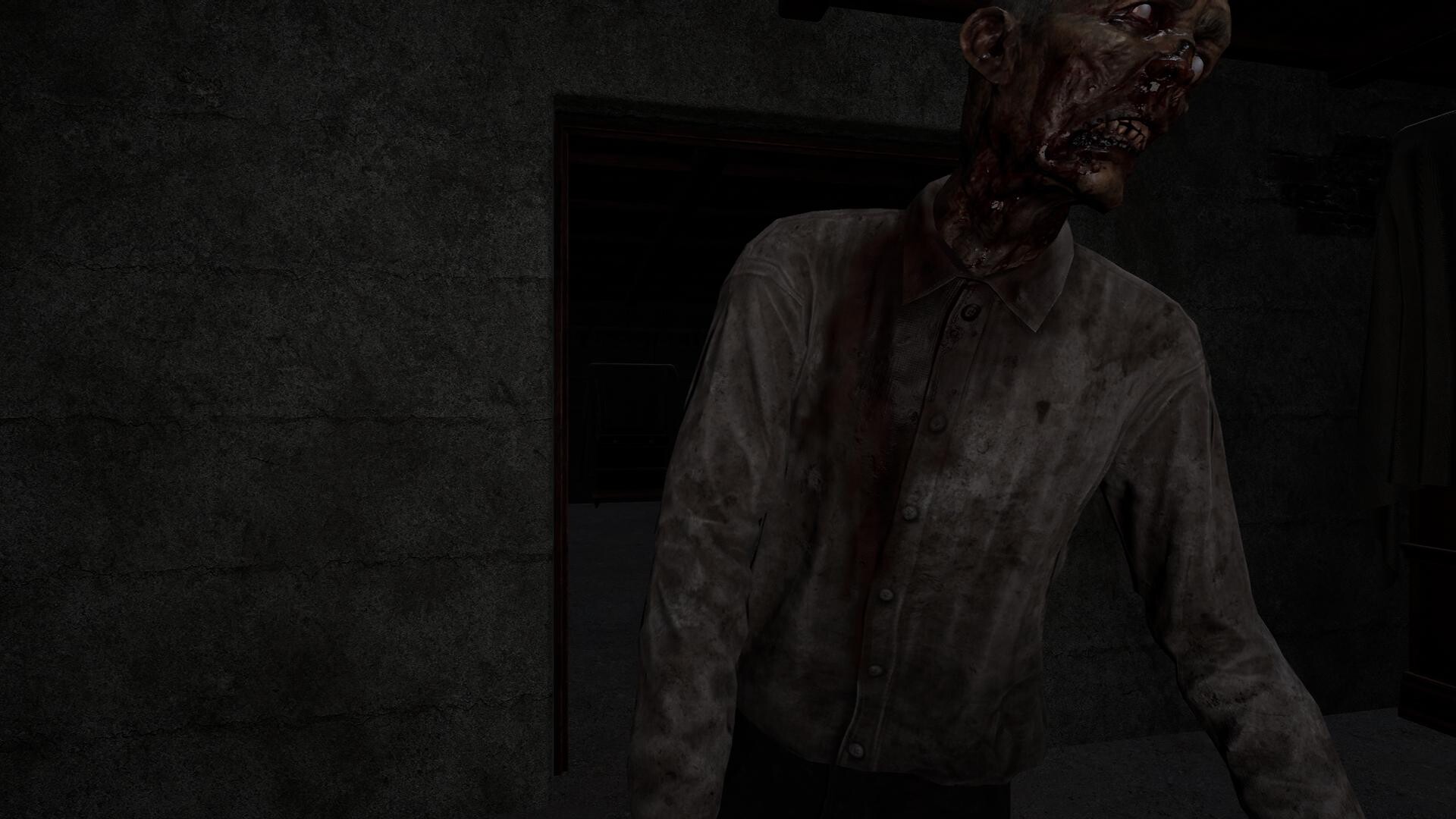
According to the official description, progress hinges on investigation: restoring power and reactivating estate systems reveals hidden compartments, safes, and fragments of encrypted documents. Each uncovered piece points to financial trails, falsified identities, and arrivals/departures without records—narrative threads that the player follows to reconstruct what the mansion actually was. The emphasis is on interpretation of evidence rather than reflex-based survival sequences; the Steam categories also note the game is playable without timed input, which supports thoughtful puzzle solving over twitch reactions.
When and where to pick it up
Trace of the Villa launched on Steam on 28 May, 2026. The Steam store page lists the developer and publisher as Steadyturtle Co., Ltd., and includes standard accessibility and control categories useful for PC players considering the experience.
Player scenarios — who should wishlist it?
- The slow-burn detective: You enjoy methodical evidence gathering, returning to documents and systems as new context emerges.
- The atmospheric explorer: You favor mise-en-scène and room design that suggests narrative context without spelling everything out.
- The puzzle-first player: You want puzzles that unlock story beats rather than puzzles that exist purely as barriers to combat or timed sections.
How Trace of the Villa sits beside well-known titles
For readers weighing their next story-driven horror pick, the comparison below maps Trace of the Villa against a handful of genre-adjacent classics in tone, puzzle focus, and pacing without claiming superiority—only editorial points of reference.
| Title | Genre / Core Feel | Atmosphere | Puzzle Focus | Exploration Style | Story Tone / Pacing | Player Fit |
|---|---|---|---|---|---|---|
| Trace of the Villa | Action · Adventure · Indie | Domestic erasure; decaying mansion | Document-based, system restoration | Clue-driven, room-by-room investigation | Slow-burn, evidence-led | Atmospheric explorers, puzzle-first detectives |
| Amnesia: The Dark Descent | Action · Adventure · Indie | Immersive, claustrophobic dread | Environmental puzzles and sanity mechanics | First-person, survival-oriented exploration | Tense and survival-focused pacing | Players seeking immersion plus survival challenge |
| SOMA | Action · Adventure · Indie | Underwater, sci-fi existential dread | Story puzzles woven into setting | Exploratory, narrative-driven corridors and facilities | Slow, philosophical reveal | Players who like sci-fi horror with existential themes |
| Layers of Fear (2016) | Adventure · Indie | Psychological, shifting Victorian mansion | Story puzzles, perception-based | Unreliable, changing environment exploration | Unsettling, art-obsessed narrative with variable pacing | Fans of surreal, art-themed psychological horror |
| Poppy Playtime | Action · Adventure · Indie | Playful-turned-threatening factory spaces | Puzzle mechanics tied to specific tools (e.g., GrabPack) | Linear factory exploration with set pieces | Fast moments of tension mixed with puzzle beats | Players who like toy-horror and mechanical gadgets |
Why the quiet matters—and when it doesn’t
Environmental dread depends on inference. When a room looks staged but empty, the player supplies histories and possibilities; that gap between implication and confirmation is where slow-burn horror thrives. Trace of the Villa’s official description emphasizes erased identities, falsified records, and institutional concealment—concepts that reward attention and replaying scenes with new context. If you prefer constant threat or combat-driven pacing, this style may feel deliberately languid; if you enjoy building a theory from fragments, it’s the opposite.
YouTube discovery
Want to see trailers or gameplay snippets? Use this YouTube search path to find available videos: Search Trace of the Villa trailer / gameplay on YouTube
Leave a Reply