
Trace of the Villa — how puzzles hand you evidence without spoiling the mystery
Trace of the Villa positions you as Jin, a desperate searcher following cold leads into a remote, decaying mansion where scattered manifests and hints suggest his missing sister may still be alive. The game stages its revelations through restored systems, hidden compartments and encrypted fragments—puzzles that surface story evidence rather than bluntly narrating it.

Who this is for
Wish-list Trace of the Villa if you prefer slow-burn suspense and detective-style environmental storytelling: players who like methodical clue reading, object-based logic, and puzzles that reveal narrative fragments instead of delivering set-piece story beats. It should appeal to people who favor single-player atmospheric mystery adventure on PC and those who value accessibility options like subtitle support and non-timed input.
What the game is
Trace of the Villa is an action/adventure indie from Steadyturtle Co., Ltd. Its official short description states: “Jin has spent years searching for his missing sister, pursuing leads that took him to a remote, decaying mansion where he recovered manifests and hints that indicate his sister may still be alive, somewhere at the end of the trail he is about to follow.”
| Title | Trace of the Villa |
|---|---|
| Steam AppID | 3483660 |
| Developer / Publisher | Steadyturtle Co., Ltd. |
| Release date | 28 May, 2026 |
| Genres | Action, Adventure, Indie |
| Categories / notable features | Single-player; Color Alternatives; Custom Volume Controls; Playable without Timed Input; Subtitle Options; Family Sharing |
When and where
Trace of the Villa released on Steam on 28 May, 2026 and is presented as a PC Steam offering by Steadyturtle Co., Ltd. The Steam page lists it under Action / Adventure / Indie and highlights single-player and accessibility categories such as subtitle options and non-timed input.
Why the theme matters
The mansion setting in Trace of the Villa is built around the idea of erasure: rooms set as if their occupants vanished mid-routine, identities removed, and systems deliberately muted. The official description describes restoring the estate’s power, secured systems coming back online, and safes yielding “fragments of encrypted documents and suspicious transfer records.” That framing makes puzzles the primary means of uncovering evidence—an investigative rhythm where each solved obstacle delivers a partial, often forensic, truth rather than an explanatory cutscene.
How clue reading, object logic and story puzzles shape play (without spoiling)
Trace of the Villa layers mechanical and narrative discovery in a few concrete ways pulled from the official description:
- Restoration as a mechanic: restoring power and reactivating systems is explicitly called out as a way the house “begins to reveal what it was hiding.” Mechanically, that suggests puzzles tied to returning utilities and unlocking state-dependent interactions.
- Evidence through containers: safes, hidden compartments and secured systems are sources of story fragments—encrypted documents and transfer records—so solving an object puzzle yields partial evidence rather than full exposition.
- Environmental gaps: rooms feel “erased,” with personal items present but names and photographs removed. That absence is important—puzzles expose these absences incrementally, encouraging players to infer context from incomplete data.
Because the game reveals evidence in fragments, the player’s role is largely interpretive. Object logic (how items interact, what fits where) delivers new inputs for deduction; story puzzles provide documentary breadcrumbs. The result is investigation-driven pacing: you solve a lock to get one document, then read it and re-evaluate previous clues. This approach preserves surprises—revelation arrives through evidence accumulation, not spoiler-heavy exposition.
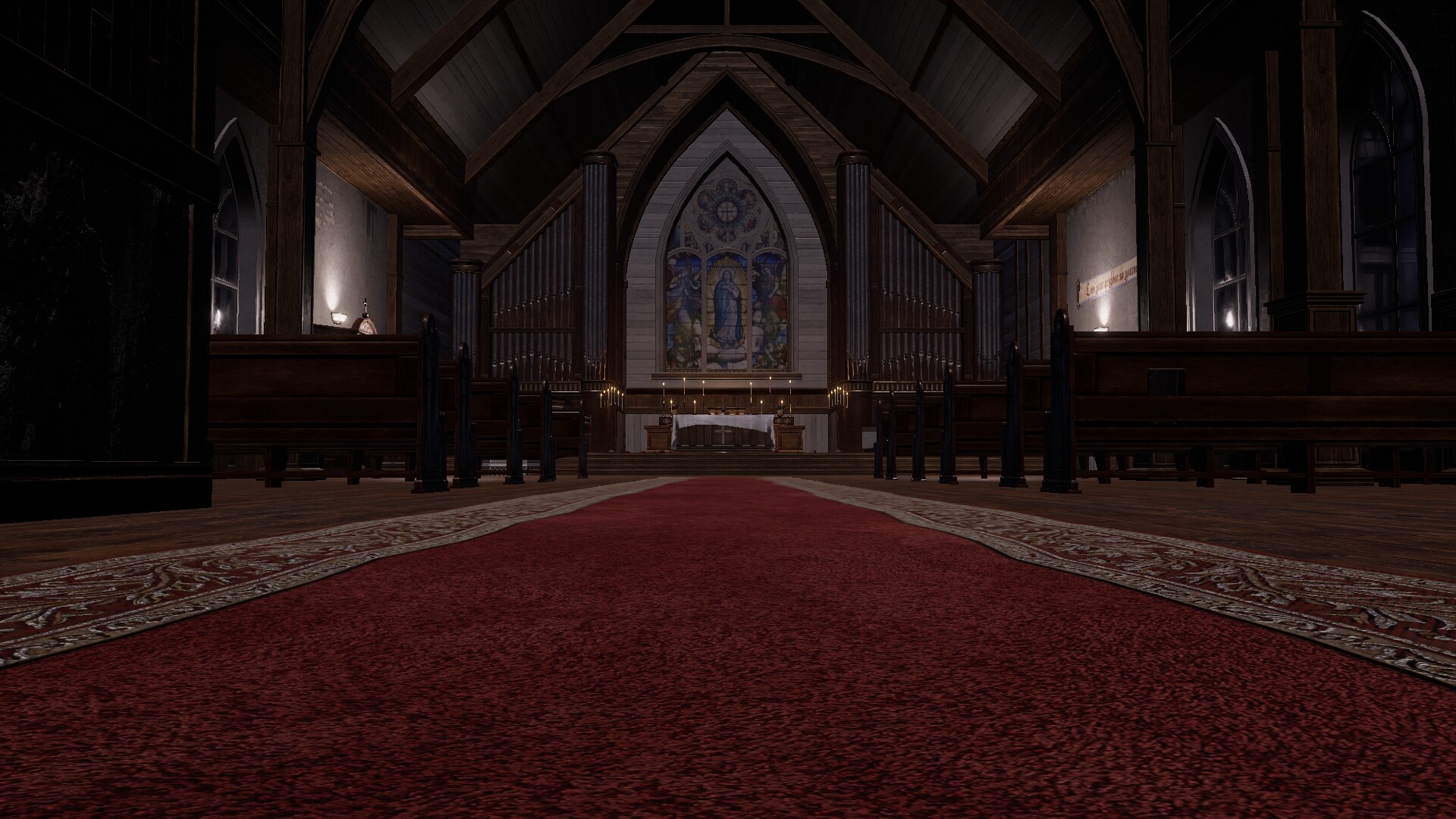
Player scenarios — who will enjoy the game
- The methodical investigator: you enjoy scavenging for context, reading partial documents, and reassembling timelines from fragments. Non-timed input makes this a contemplative fit.
- The environmental storyteller: you prefer games where atmosphere and found objects tell the story. The mansion’s staged rooms and erased identities will reward close observation.
- The accessibility-minded player: features like subtitle options, color alternatives and playable without timed input lower barriers for players who need them.
How it compares (quick editorial table)
| Title | Release | Genre / Focus | Puzzle style | Exploration & tone | Best for |
|---|---|---|---|---|---|
| Trace of the Villa | 28 May, 2026 | Action, Adventure, Indie | Clue-driven, object logic, document fragments and secured systems | Mansion mystery, slow-burn, investigative | Players who want narrative evidence revealed via puzzles |
| The Room | 28 Jul, 2014 | Adventure, Indie | Mechanical puzzle boxes and safes; tactile lock puzzles | Cryptic, focused single-room mysteries | Fans of tactile, self-contained puzzle challenges |
| Escape Simulator | 19 Oct, 2021 | Adventure, Casual, Indie, Simulation | Highly interactive escape-room puzzles, physics-based interactions | Playful, room-to-room problem solving; social and fast-paced when co-op | Players who want active item manipulation and community-made rooms |
| Unpacking | 1 Nov, 2021 | Casual, Indie, Simulation | Block-fitting and placement
Steam pageView Trace of the Villa on Steam YouTube discoveryFor trailer and gameplay discovery, use YouTube search rather than relying on unverified embeds: Find Trace of the Villa trailer and gameplay searches on YouTube. CommentsMore posts |
Leave a Reply