Trace of the Villa: an escape-room mystery built around power, access, and evidence
Trace of the Villa drops you into a decaying, off-the-grid mansion where Jin’s search for his missing sister hinges on restoring the estate’s systems, unlocking sealed spaces, and piecing together fragmented records. The game’s loop—bring power back online, open what was closed, then assemble a chain of clues—frames investigation as a methodical, environmental puzzle experience.

Quick facts
| Title | Trace of the Villa |
|---|---|
| Release date | 28 May, 2026 |
| Developer | Steadyturtle Co., Ltd. |
| Publisher | Steadyturtle Co., Ltd. |
| Genres | Action, Adventure, Indie |
| Steam categories | Single-player; Color Alternatives; Custom Volume Controls; Playable without Timed Input; Subtitle Options; Family Sharing |
| Steam app | Trace of the Villa on Steam |
Who should wishlist this
If you prefer slow-burn suspense and story-rich adventure where investigation feels procedural rather than cinematic, Trace of the Villa is aimed at you. Players who enjoy environmental storytelling, locked-room thinking, and chaining small discoveries into a larger timeline—rather than twitch reflexes or action-heavy spectacle—will find the game’s investigative rhythm satisfying. The protagonist is Jin, and the narrative motive is personal: he has been searching for his missing sister and follows leads to a remote, deliberately forgotten mansion.
What the game is
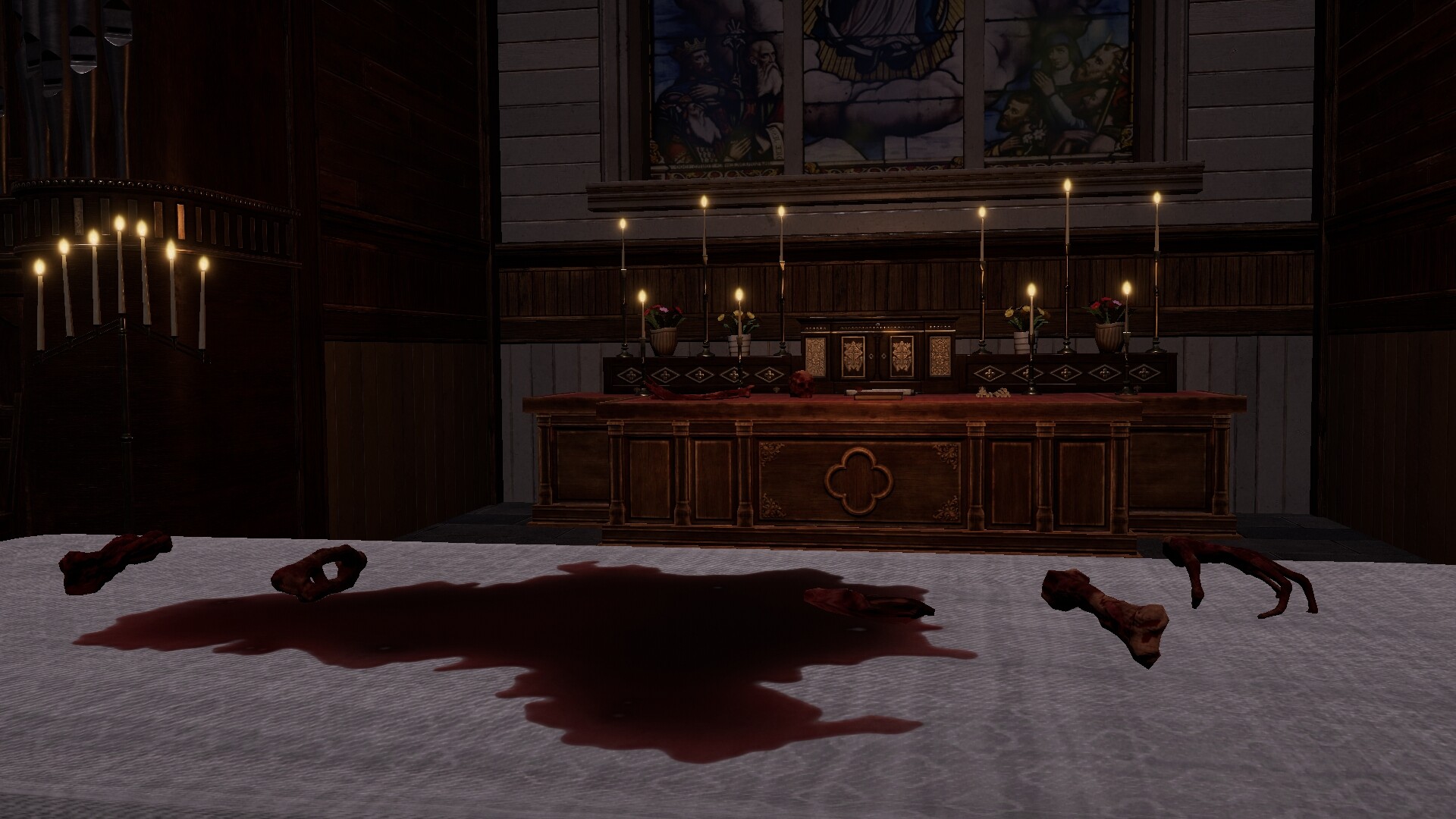
Trace of the Villa places you inside a property “cut off from the grid and deliberately forgotten,” where rooms are staged as if occupants vanished mid-routine. The official description says secured systems react when Jin restores power: hidden compartments unlock, safes yield fragments of encrypted documents and suspicious transfer records, and the mansion begins to reveal what it was hiding. The result is a mystery built on reading the environment and reconstructing evidence.
When and where
Trace of the Villa released on 28 May, 2026 and is available on Steam for PC. The Steam page lists the developer and publisher as Steadyturtle Co., Ltd., and categorizes the title under Action, Adventure, and Indie with single-player and accessibility-oriented tags such as subtitle options and the ability to play without timed input.
Why the theme matters
The game’s conceit—an erased-institution feel, arrivals without records and departures without witnesses—frames investigation as reconstruction. Restoring power is not a mere mechanic but a storytelling device: it temporarily reverses the erasure, turning dead systems into sources of provenance. That makes the gameplay loop inherently forensic: you unlock spaces to find artifacts, then use those artifacts to validate or contradict other fragments. For players who like narrative puzzle design that treats clues as evidentiary pieces, that thematic integration matters.
How progression and clue-chains work (what to expect)
The official materials emphasize a progression loop of restoring estate power, watching secured systems come back online, and then following the unlocked breadcrumbs. Expect to alternate between environmental reading—observing staged rooms and missing identifiers—and targeted puzzle work like opening safes or accessing secured systems to reveal documents and transaction traces. The game’s detective work centers on assembling a timeline from manifests, encrypted fragments, and transfer records; each unlocked space tends to feed the next lead.

Player scenarios: three ways this fits play habits
- The methodical investigator: You like reading marginalia, cross-referencing documents, and building causal chains. The power/lock/uncover loop rewards patience and note-taking.
- The atmospheric explorer: You prioritize setting and tone. If a mansion mystery that feels “erased” and unsettled appeals, the staged rooms and slow reveals will deliver.
- The narrative puzzle fan: You want puzzles that feed story beats. Trace of the Villa links unlocked spaces to narrative evidence—safes and manifests don’t just gate progress, they expand the timeline.
How it compares — editorial discovery
For readers weighing Trace of the Villa against other escape-room and puzzle-driven adventures, the table below compares core elements without implying superiority. These comparisons are drawn from public descriptions and editorial criteria: puzzle focus, atmosphere, exploration style, and pacing.
| Game | Core puzzle style | Atmosphere / Tone | Exploration | Pacing |
|---|---|---|---|---|
| Trace of the Villa | Environmental clue-chains; restoring systems to access evidence (official description) | Remote, decaying mansion; erased identities; unsettling and investigative | Single-player, room-to-room unlocking tied to power/systems | Methodical, investigatory; slow reveal as evidence accumulates |
| The Room | Safe-and-mechanism puzzles focused on a single mysterious object (official blurb) | Mysterious, tactile, focused on an iron safe and arcane artifacts | Contained, puzzle-chamber exploration centered on the safe | Focused, puzzle-session pacing |
| The Room Two | Complex tactile puzzles across multiple crafted devices (official blurb) | Cryptic and atmospheric; long-forgotten crypt motifs | Sequential puzzle rooms with a narrative thread | Steady, puzzle-driven progression |
| Escape Simulator | Highly interactive escape-room sandbox; physics and item manipulation (official blurb) | Varied tones—from playful to tense depending on room | Interactive rooms with community-made content and editor | Variable—short rooms to longer puzzles depending on level |
YouTube / trailer discovery
For trailer and gameplay searches, use this YouTube discovery path (search results may include official trailers and community videos): Search Trace of the Villa on YouTube.
Final take
Trace of the Villa is tailored to players who appreciate atmospheric mystery adventure and environmental storytelling built around forensic-style clue assembly. If you like detective rhythms—restore systems, unlock spaces, then reconstruct evidence—this game’s mechanics and tone are aligned with that playstyle. It’s less about timed reflexes and more about methodical reading of place and paper.
Disclaimer
Referenced titles and trademarks belong to their respective owners. The comparisons above are editorial discovery only and do not imply endorsement or official connection.
Leave a Reply