Trace of the Villa — for meticulous players who read every margin
Trace of the Villa is an atmospheric mystery adventure about Jin, a man chasing the faintest trail of his missing sister through a remote, decaying mansion. Released on 28 May, 2026 and developed/published by Steadyturtle Co., Ltd., the game promises clue-driven exploration, environmental storytelling, and puzzle-driven investigations that reward close reading.

Who, what, when, where, why, and how
Who it is
Who: You — specifically players who prefer slow-burn suspense and methodical investigation. The protagonist is Jin, whose search for a missing sister drives the game’s personal stakes (official short description).
What the game is
What: A single-player action/adventure indie that centers on exploring a deliberately neglected mansion, restoring systems, and uncovering fragments of encrypted documents and suspicious transfer records. The environment is written to feel “erased” rather than simply abandoned, with furnishings left mid-routine and identities obscured (official description).
When & Where
When: Release date — 28 May, 2026. Where: Available on Steam for PC (see Steam page link below).
Why the theme matters
Why: Trace of the Villa frames investigation as a personal, forensic process. Rather than relying on jump scares, the premise is built around reconstructing timelines from manifests, power systems, safes, and encrypted hints — elements that reward disciplined players and lore readers who enjoy making logical inferences from small, often ambiguous details (official description).
How you make progress
How: Progress is driven by restoring estate systems, opening locked doors and compartments, and interpreting documents and financial trails recovered inside the house. The Steam page emphasizes regained power bringing systems back online and safes yielding fragments of encrypted documents; those fragments and manifests form the backbone of the narrative trail Jin follows (official description).
Compact facts
| Title | Trace of the Villa |
|---|---|
| Release Date | 28 May, 2026 |
| Developer | Steadyturtle Co., Ltd. |
| Publisher | Steadyturtle Co., Ltd. |
| Genres | Action, Adventure, Indie |
| Key Steam Categories | Single-player; Color Alternatives; Custom Volume Controls; Playable without Timed Input; Subtitle Options; Family Sharing |
| Steam Page | Trace of the Villa on Steam |
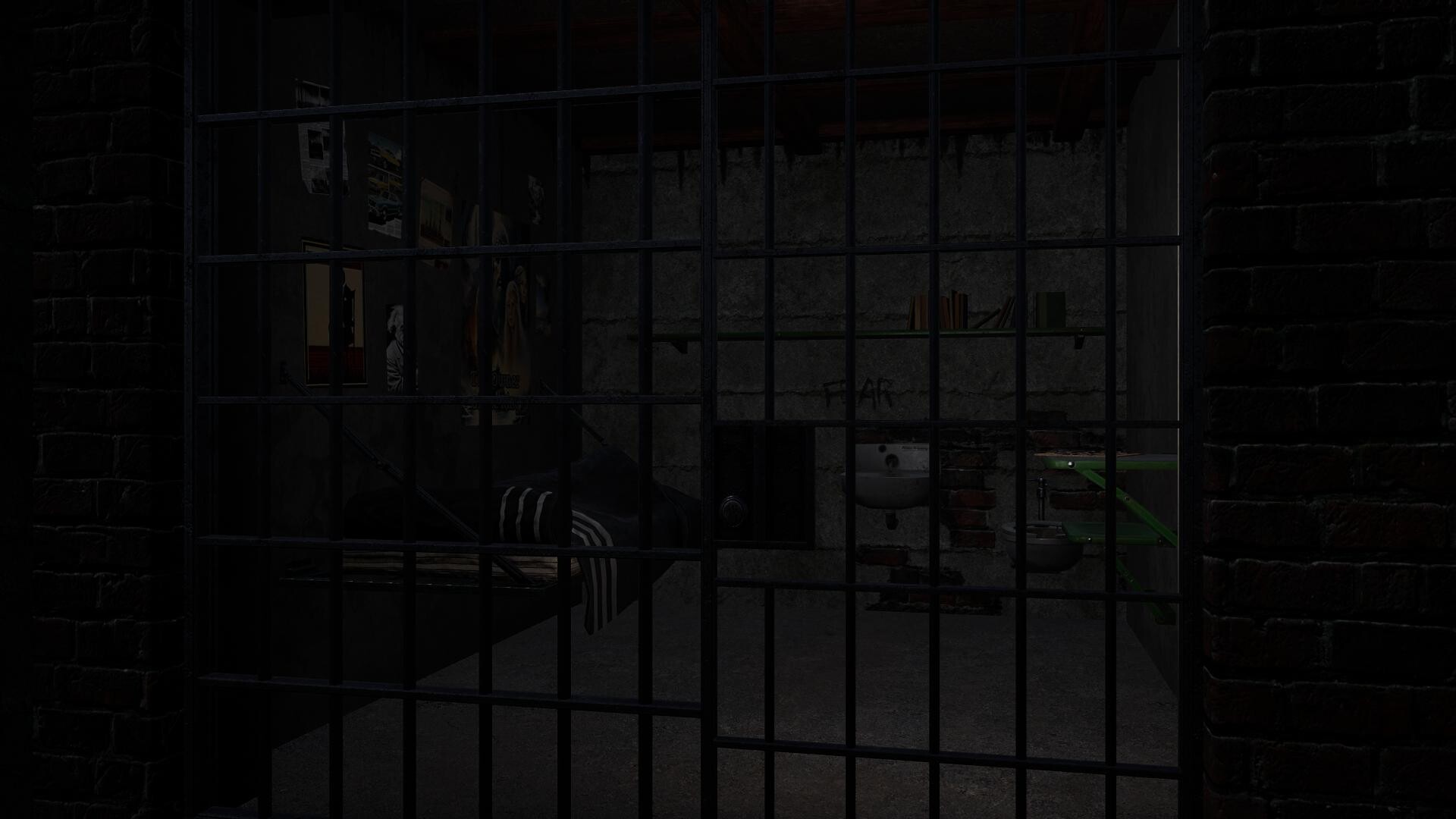
Visual hint economy — two screenshots from the estate

Who should wishlist it — player scenarios
- The meticulous investigator: You read every note, map, log, and manifest and enjoy piecing together timelines from sparse evidence. If you savor decrypting fragments and following financial or administrative threads, Trace of the Villa maps directly to that playstyle.
- The lore reader: You want environmental storytelling that withholds names and histories until you assemble them. The mansion is described as “erased,” which appeals if you like reconstructing character identity from objects and systems.
- The investigation fan who dislikes twitchy inputs: The Steam categories include “Playable without Timed Input” and subtitle/audio options; if you prefer thinking puzzles and deliberate exploration to reflex-based horror, this is aligned with your expectations.
- The player who wants atmosphere over spectacle: If slow-burn suspense and quiet reveal sequences satisfy you more than loud horror beats, the tone described on the Steam page makes the case for a wishlist.
How it differs from nearby mystery/puzzle games
Below is a focused comparison based on lawful editorial criteria: story focus, exploration style, puzzle emphasis, and pacing. These are intended as discovery cues to help you decide which experience fits your tastes.
| Title | Primary story focus | Exploration style | Puzzle emphasis | Tone & pacing |
|---|---|---|---|---|
| Trace of the Villa | Personal investigation; recovering manifests and hints about a missing sister (Jin) | Mansion-bound, environmental reconstruction, systems restored to reveal clues | Document fragments, safes, secured systems, encrypted records | Slow-burn, suspenseful, forensic-style discovery |
| Inscryption | Card-driven meta narrative that hides secrets in its systems | Card table + layered meta spaces rather than a free-roam estate | Escape-room style puzzles and deckbuilding mechanics that reveal story | Psychological, thickly atmospheric, surprising tonal shifts |
| Outer Wilds | Cosmic mystery about a trapped solar system and repeating timeline | Open-world planetary exploration with systemic, emergent clues | Observation, physics, and temporal puzzles across locations | Curious, exploratory, discovery-oriented pacing with time-loop stakes |
| The Forgotten City | Narrative-driven mystery with time-loop mechanics in an ancient setting | Focused area exploration using time-rewind to test hypotheses | Dialogue and consequence puzzles, trial-and-error across loops | Deliberate, philosophically driven, narrative-heavy |
| The Medium | Psychological horror and dual-reality investigation | Third-person traversal with simultaneous real/other-world interactions | Puzzles that use parallel realities and medium abilities | Melancholic, eerie, story-led with horror beats |
| Journey | Exploratory pilgrimage with minimal explicit narrative | Open, atmospheric traversal across ruins and landscapes | Environmental navigation and emergent player interaction | Poetic, contemplative, slow and emotive pacing |
Practical notes and accessibility
Trace of the Villa lists accessibility and convenience categories on Steam: Color Alternatives, Custom Volume Controls, Playable without Timed Input, Subtitle Options, and Family Sharing. Those tags suggest the developer considered different player needs for readability and comfort.
YouTube discovery
Looking for trailers or gameplay clips? Use this YouTube search path to find trailers and player footage (search results may include unofficial uploads): Search Trace of the Villa trailers & gameplay on YouTube.
Final read: should you wishlist it?
Wishlist Trace of the Villa if you prize methodical environmental storytelling, puzzles that hinge on documents and systems, and a narrative that treats investigation as a forensic craft. If you prefer open-world, emergent systems or card/loop mechanics, compare the brief table above to see where your preferences align.
Leave a Reply