
Trace of the Villa: a story-first mansion mystery that asks you to read what’s been erased
Trace of the Villa drops you into Jin’s long hunt for a missing sister, where a remote, decaying mansion and recovered manifests promise answers — or further questions. The game foregrounds environmental storytelling and clue-driven exploration, asking players to reconstruct identity from absences rather than explicit explanation.

Quick facts
| Title | Trace of the Villa |
|---|---|
| Release date | 28 May, 2026 |
| Developer / Publisher | Steadyturtle Co., Ltd. |
| Genres | Action, Adventure, Indie |
| Key Steam categories | Single-player; Color Alternatives; Custom Volume Controls; Playable without Timed Input; Subtitle Options; Family Sharing |
| Steam app | View Trace of the Villa on Steam |
Who is this for?
If you prize slow-burn suspense, investigative momentum, and environmental storytelling over fast reflexes, Trace of the Villa is pitched at you. The Steam metadata lists it as an Action/Adventure Indie, but its categories — including “Playable without Timed Input” and robust accessibility toggles like Color Alternatives and Subtitle Options — emphasize a narrative-first experience that favors reading, piecing, and pausing. Players who enjoy atmospheric mansion mysteries and detective work driven by documents, locked systems, and quiet revelations should consider wishlisting.
What the game actually is
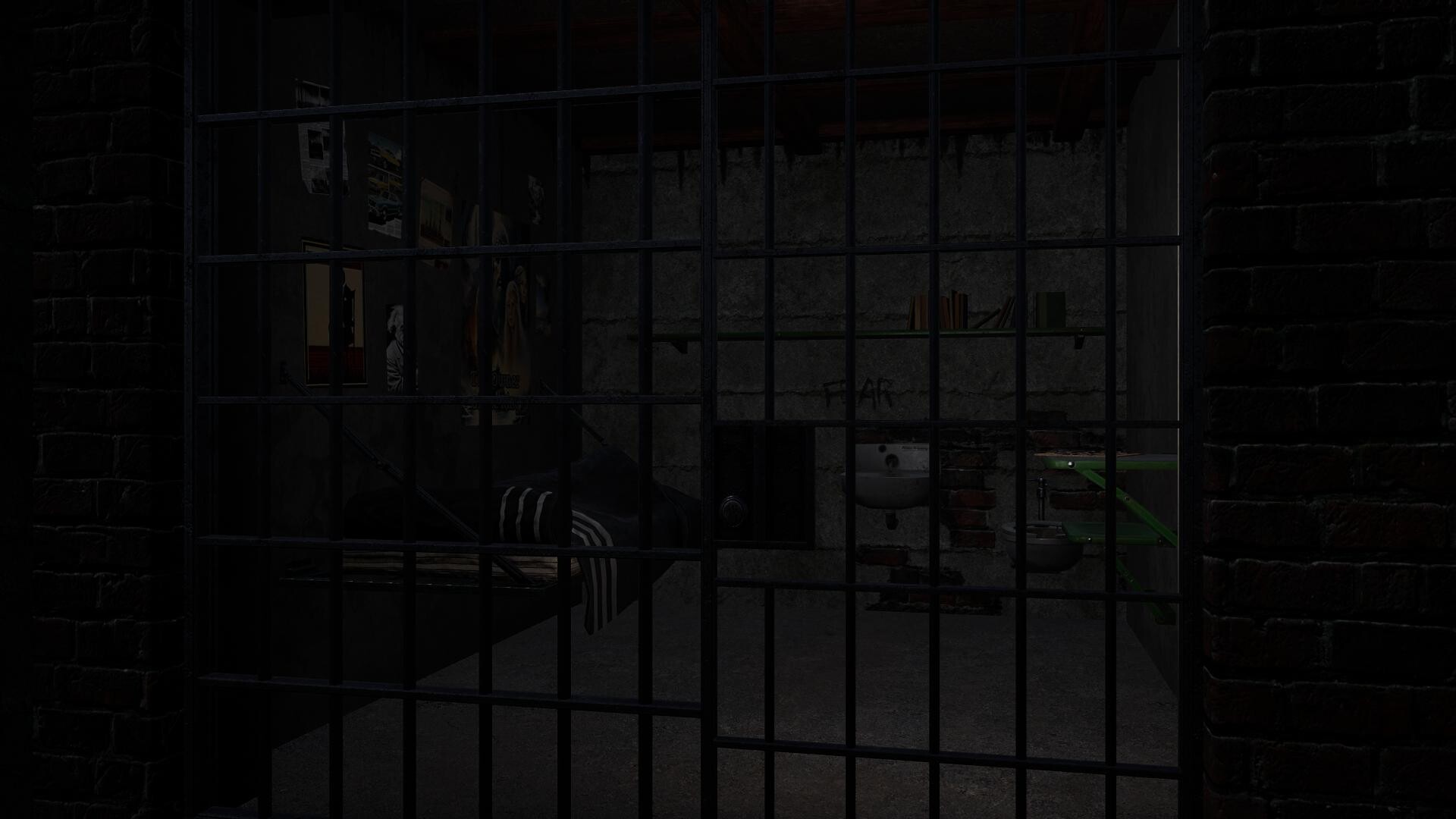
Officially: Jin has spent years searching for his missing sister. A lead brought him to a decaying, off-the-grid mansion where manifests and hints suggest she may still be alive. Inside, rooms look like they were abandoned mid-routine; identities seem erased; secured systems and safes yield encrypted fragments and suspicious transfer records. The gameplay premise centers on restoring power, unlocking hidden compartments, solving puzzles, and following financial and identity traces to learn what the estate was used for.
When and where (Steam/PC context)
Trace of the Villa launched on 28 May, 2026 and is available on Steam for PC. The developer and publisher are both Steadyturtle Co., Ltd. The Steam page includes multiple screenshots and a header image, and the store presence lists the accessibility and single-player features noted above.
Why this thematic approach matters
Mansion mysteries that remove names and photographs pivot player curiosity from “who did this?” to “what was done to people?” That absence-as-clue design rewards players who treat texture, object placement, and financial trail fragments as primary sources. It’s a psychological investigation model: understanding motive and structure through found artifacts and system restoration rather than through expository NPCs or overt narrative beats.
How progression and clue-reading work
- Power restoration acts as a gating and revelation mechanic: turning systems back on reactivates secured devices and reveals new puzzle layers.
- Puzzles unfold into decrypted documents, transfer records, and locked compartments — each solved item recontextualizes previous clues rather than replacing them.
- Exploration is evidence-driven: rooms furnished as if someone left mid-task, missing names and photographs, and falsified identities all function as primary puzzle elements.
- Because the game is listed as playable without timed input and includes subtitle and accessibility options, the emphasis is on deliberate reading and deduction rather than twitch responses.

Player scenarios — who will get the most from Trace of the Villa?
- Investigative readers: players who treat notebooks, manifests, and audio logs as primary narrative fuel and enjoy assembling timelines from fragments.
- Slow-burn explorers: people who prefer atmosphere and mood with intermittent puzzle escalation rather than constant combat or action beats.
- Accessibility-minded players: those who need or appreciate “playable without timed input,” color alternatives, and subtitle options to make investigative pacing comfortable.
- Story-first mystery fans: players who enjoy when the environment itself plays the role of unreliable narrator and when identity is reconstructed from absence.
How it compares — compact editorial table
| Title | Genre / Focus | Atmosphere | Puzzle emphasis | Exploration style | Story tone / pacing | Player fit |
|---|---|---|---|---|---|---|
| Trace of the Villa | Action / Adventure / Indie | Mansion, erasure, unsettling domestic scenes | Clue-driven, documents, locked systems | Closed estate, room-by-room evidence gathering | Slow-burn, investigative | Players who prefer environmental storytelling and deduction |
| Inscryption | Adventure / Indie / Strategy | Inky, card-based psychological horror | Card mechanics + escape-room style puzzles | Structured by card-act progression | Layered meta-reveal, tense and claustrophobic | Players who like emergent mechanics tied to mystery |
| Outer Wilds | Action / Adventure | Open, cosmic mystery | Puzzle through observation and experiment | Open-world solar system exploration | Gradual revelation across loops | Players who enjoy exploration-based discovery |
| Journey | Adventure / Indie | Ancient, meditative, desolate beauty | Minimalist environmental puzzles | Large open spaces and traversal | Quiet, emotional, contemplative | Players seeking emotional atmosphere over complex puzzles |
| The Forgotten City | Adventure / Indie / RPG | Ancient, moral mystery | Time-loop narrative puzzles and investigation | Contained city with time-manipulation mechanics | Narrative-driven, puzzle-heavy | Players who like narrative puzzles with clear systems |
| The Medium | Adventure | Psychological, metaphysical | Puzzles linked to dual-reality exploration | Interleaved real world and spirit realm | Psychological horror, slow for atmosphere | Players who like story and horror mixed with puzzle work |
Deciding whether to wishlist
Wishlist Trace of the Villa if you enjoy carefully paced detective work and environmental mysteries where the act of reading and restoring systems unfolds the narrative. If you prefer open-world discovery or mechanics-heavy puzzles (deckbuilding, time loops, or traversal-driven epics), compare the titles above to see where your preference lies. The Steam page lists accessibility features and single-player support that make the investigative pace the central play experience.
YouTube discovery
Want to see footage? Search for trailers and gameplay using this YouTube path: Trace of the Villa trailer & gameplay on YouTube. This is a search/discovery link rather than a claim of an official channel or single definitive trailer.
Referenced titles and trademarks belong to their respective owners. Comparisons above are editorial discovery
Leave a Reply