
Trace of the Villa — an escape-room style mansion mystery built around power, access, and evidence
Trace of the Villa places you in the shoes of Jin, a man who has followed cold leads to a decaying, off-the-grid mansion and finally finds traces that his missing sister may still be alive. The game frames its puzzle-adventure loop around restoring power, unlocking sealed spaces, and reconstructing a paper trail that slowly reveals a larger operation.

Quick facts
| Title | Trace of the Villa |
|---|---|
| Steam appid | 3483660 |
| Release date | 28 May, 2026 |
| Developer / Publisher | Steadyturtle Co., Ltd. |
| Genres | Action, Adventure, Indie |
| Categories | Single-player; Color Alternatives; Custom Volume Controls; Playable without Timed Input; Subtitle Options; Family Sharing |
Who is this for?
Trace of the Villa suits players who favor atmospheric mystery adventure and environmental storytelling over constant combat. If you like first-person or close-camera investigations where reading a room, combining objects, and following a trail of documents matters more than twitch reflexes, this one is aimed at you. The single-player focus and support for subtitle options and color alternatives also make it accessible to players who want a steady, contemplative pace rather than timed, high-pressure puzzles.
What the game is
According to the Steam description, you play Jin, searching for his missing sister in a derelict mansion that looks erased of identity. Rooms are preserved as if people vanished mid-routine; locked doors and secured systems hide fragments of a deliberately obscured operation. The game’s narrative puzzle design centers on the moment the house comes back to life: when Jin restores power, systems reboot, hidden compartments unlock, and safes yield encrypted documents and suspicious transfer records that stitch together a disturbing timeline.
When and where
Trace of the Villa launched on Steam on 28 May, 2026. It is presented as a PC Steam title (Steam appid 3483660) from developer-publisher Steadyturtle Co., Ltd., in the Action / Adventure / Indie space. The Steam page lists single-player and accessibility-friendly categories such as Playable without Timed Input and Subtitle Options.
Why the power/lock/unlock loop matters
Much of the game’s dramatic momentum comes from a simple, satisfying loop: restore power → regain access → inspect evidence → unlock the next locked area. That structure turns environmental reading into a core gameplay mechanic. Restoring the estate’s systems doesn’t just flip lights on; it reintegrates the mansion into a network of sealed technologies and hidden storage. Each new circuit switch or recovered manifest is a literal opening of space and story, and it rewards careful observation with both mechanical and narrative payoffs.
How you progress (the investigative flow)
- Environmental reading: rooms are staged to suggest interrupted routines and missing identities — look for inconsistencies and items out of place.
- Restore systems: many puzzles hinge on reactivating power or devices so that safes, electronic locks, and secured storage can be accessed.
- Chain clues: manifests, encrypted documents, and transfer records act as nodes in a clue chain; combine them to reconstruct timelines and suspect lists.
- Unlock and corroborate: opening one locked space typically reveals materials that validate or refute a previous hypothesis, pushing you to the next area.
Screenshots — study the environment

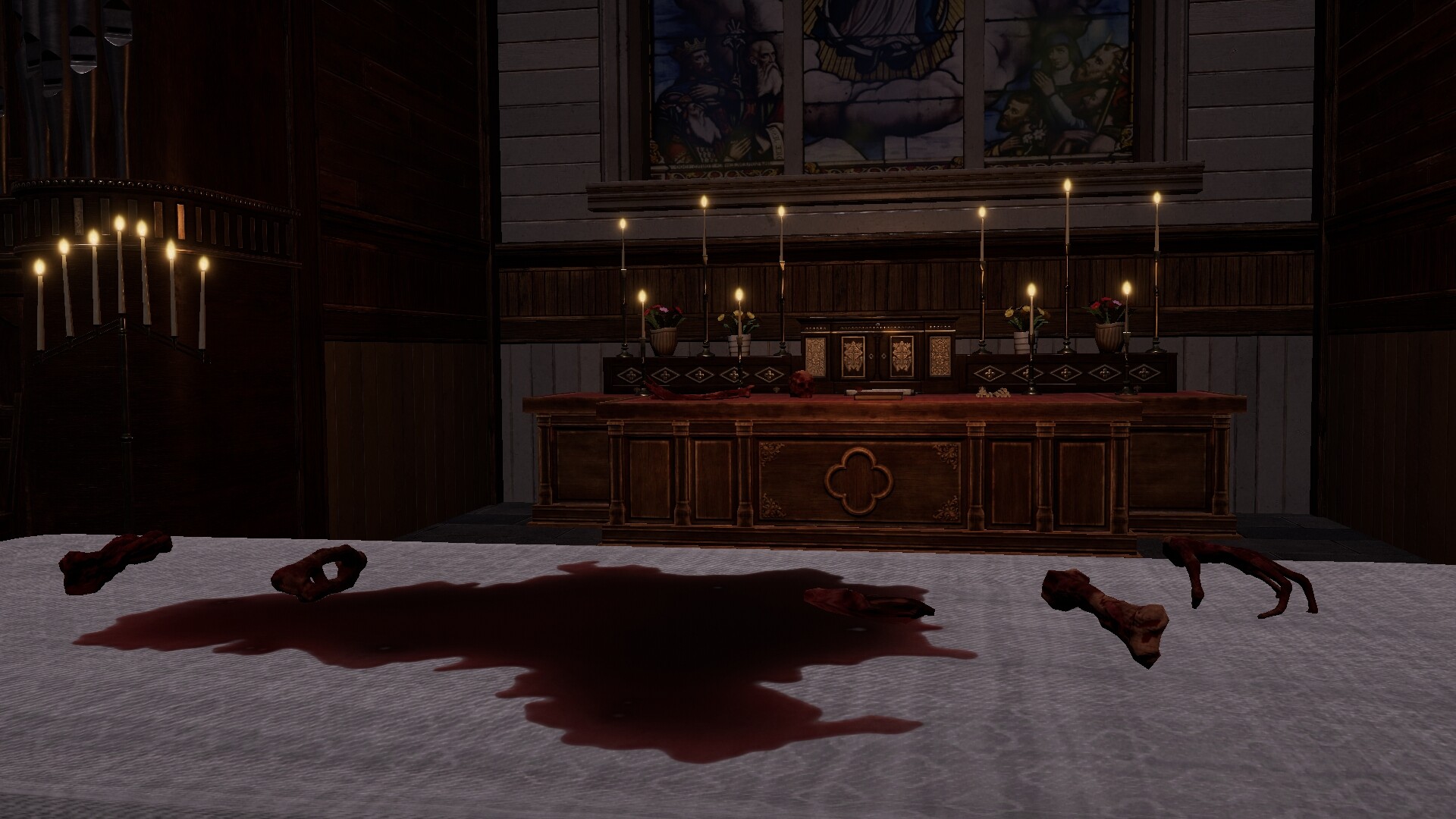
Player scenarios — who will enjoy which parts
- Slow-burn investigators: You value layered clues and reconstructed timelines. The game’s sealed compartments and encrypted documents reward patching together disparate evidence.
- Environmental storytellers: You prefer implicit worldbuilding to explicit exposition. Rooms that feel “erased” and the omission of names encourage inference and hypothesis-testing.
- Accessibility-minded players: If you require non-timed puzzles, subtitles, or color alternatives, the Steam categories indicate those options are supported.
- Action-oriented players: This title sits in Action/Adventure but centers on investigation; if you want constant combat or multiplayer, this is not the primary focus.
How it compares — editorial discovery
| Title | Focus | Pacing | Puzzle style | Multiplayer | Tone |
|---|---|---|---|---|---|
| Trace of the Villa | Environmental mystery, evidence reconstruction | Slow, investigative | Clue chains, restored systems, locked spaces | Single-player | Atmospheric, unsettling |
| The Room / The Room Two | Tactile object puzzles and safes | Paced around discrete puzzle boxes | Mechanical puzzles, hidden mechanisms | Single-player | Mysterious, intimate |
| Escape Simulator | Highly interactive rooms, community content | Variable—often puzzle-room tempo | Item manipulation, environmental puzzles | Solo & co-op multiplayer | Playful to tense depending on room |
| Hi‑Fi RUSH | Beat-driven action-adventure | Fast, rhythmic | Combat and rhythm-based challenges | Single-player | Energetic, upbeat |
This comparison is editorial discovery only; it is intended to help you match Trace of the Villa’s investigative, atmospheric approach to games you might already play.
YouTube discovery
If you want trailers or gameplay clips, search for Trace of the Villa on YouTube: YouTube: Trace of the Villa trailer & gameplay. This is a discovery path rather than a claim that a specific video is official unless verified on Steam or the developer’s channels.
Verdict — who should wishlist
Wishlist Trace of the Villa if you enjoy slow, document-driven mystery, careful environmental reading, and a puzzle loop that literally powers the story forward. If you prefer cooperative escape-room play or fast-paced combat, you may find the game’s single-player, investigative pace less aligned with your tastes.
Steam page: Trace of the Villa on Steam
Referenced titles and trademarks belong to their respective owners. Comparisons are editorial discovery only.
Leave a Reply