
Trace of the Villa: a story-first mansion mystery that asks you to read the room
Trace of the Villa puts narrative curiosity front and center: you play Jin, a man following paper trails and manifests into a remote, decaying mansion that seems intentionally erased. Released 28 May, 2026 by Steadyturtle Co., Ltd., the game promises slow-burn suspense driven by environmental storytelling and the recovery of encrypted records that suggest Jin’s missing sister may still be alive.

Quick facts
| Title | Trace of the Villa |
|---|---|
| Release date | 28 May, 2026 |
| Developer / Publisher | Steadyturtle Co., Ltd. |
| Steam appid | 3483660 |
| Genres | Action, Adventure, Indie |
| Categories | Single-player; Color Alternatives; Custom Volume Controls; Playable without Timed Input; Subtitle Options; Family Sharing |
| Official short premise | Jin has spent years searching for his missing sister, pursuing leads that took him to a remote, decaying mansion where he recovered manifests and hints that indicate his sister may still be alive, somewhere at the end of the trail he is about to follow. |
Who is this for?
If you prefer story-first mystery design—where the pacing is patient, clues are found in objects and systems, and the payoff comes from assembling a hidden backstory—Trace of the Villa is aimed at you. Players who enjoy atmospheric mansion mystery, psychological investigation, and environmental storytelling (rather than nonstop combat or twitch puzzles) should consider adding it to their Steam wishlist. The Steam page also highlights accessibility and comfort features like subtitle options and color alternatives, useful if you prioritise readable narrative and adjustable presentation.
What the game actually is
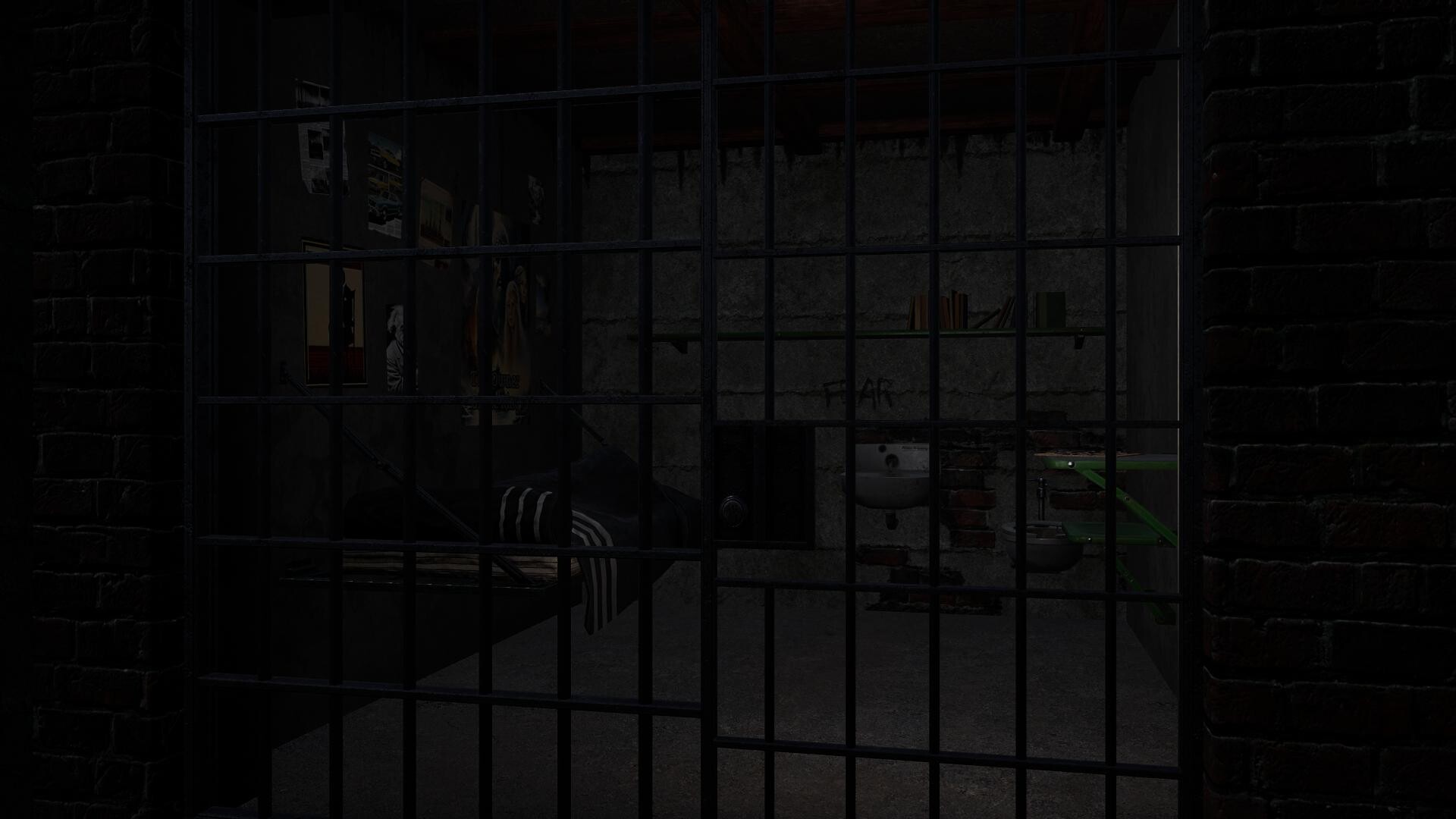
On its Steam page Trace of the Villa presents a focused narrative premise: Jin follows a lead to an off-grid estate that feels “less abandoned than erased.” The official description walks players through restoration mechanics in the story—restoring power brings systems back online, hidden compartments and safes yield encrypted documents and suspicious transfer records—and frames the mansion as part of a larger, concealed operation. Expect clue-driven exploration rather than explicit exposition: manifests, encrypted fragments, and secure systems are the means by which the house returns its history to you.

When and where
Trace of the Villa is available on Steam with a release date listed as 28 May, 2026. The Steam page (app id 3483660) lists Steadyturtle Co., Ltd. as both developer and publisher and shows categories that emphasize single-player narrative play and accessibility options.
Why the theme matters: erasure, identity, and the unreadable past
The mansion’s central conceit—rooms furnished but identities removed—serves a double role for designers and players. For designers it creates a canvas where small artifacts must carry disproportionate narrative weight; for players it rewards close reading: manifests, transfer records and encrypted fragments are not just collectible text, they are the connective tissue of the plot. That makes Trace of the Villa especially interesting to players who enjoy piecing together motivations and timelines from indirect evidence rather than being told what happened.
How you uncover meaning
The official Steam description outlines the primary investigative loop: restore power, bring systems online, open locked containers, and interpret fragments of documents and transfers. That loop sets up a story-first mystery design where progress is driven by reading context—manifest entries, suspicious transfers, falsified identities—and using environmental changes (lights, systems, access) to reach new layers of discovery. If you like games where the “aha” comes from recontextualizing a found note or a ledger entry, this is the kind of setup that rewards methodical attention.
Specific player scenarios
- Slow-burn investigator: You like taking notes, mapping relationships, and letting a mystery reveal itself over several hours. Trace gives you discrete records and systems to reactivate; you’ll spend time assembling timelines more than mashing buttons.
- Mansion mystery fan: You enjoy interiors that tell stories—rooms that look lived-in, then emptied. The explicit removal of names and photographs in the premise is a narrative prompt: everything you find must be read against what is missing.
- Accessibility-first player: You prefer single-player experiences with subtitles and customizable presentation. The Steam page lists subtitle options, color alternatives, and other comfort features that facilitate careful reading of text clues.
How it compares — a compact editorial table
| Title | Genre / Tone | Puzzle vs. Exploration | Exploration Style | Player fit |
|---|---|---|---|---|
| Trace of the Villa | Action/Adventure; atmospheric mansion mystery | Clue-driven, document-based discovery | Interior, systemic reactivation (power, safes, compartments) | Players who favor narrative puzzles and environmental storytelling |
| Inscryption | Adventure/Indie; black card-based horror | Card mechanics + escape-room puzzles | Constrained scenes that unfold via mechanical systems | Players who enjoy meta-narrative and mechanical surprises |
| Outer Wilds | Action/Adventure; open-world science-mystery | Exploration-first, knowledge puzzles (time loop) | Solar-system scale, environmental learning and travel | Players who like discovery across connected spaces and emergent timelines |
| The Forgotten City | Adventure/Indie/RPG; narrative-driven mystery | Dialogue and trial-based narrative puzzles (time mechanics) | Closed setting with branching investigation | Players who enjoy moral decisions and narrative consequences |
| The Medium | Adventure; psychological horror | Dual-reality puzzles and narrative beats | Linear scenes with parallel-world exploration | Players who want psychological atmosphere and dual-reality puzzle design |
Deciding whether to wishlist
Wishlist Trace of the Villa if you prioritize: atmosphere over spectacle, reading documents and manifests to build a timeline, and investigative pacing that gives space to inference. If you need constant action or prefer puzzles that are solved through explicit mechanical feedback rather than interpretive context, this might be a slower fit. The Steam page makes clear the narrative intent and accessibility features, which helps set expectations before purchase
Steam page
View Trace of the Villa on Steam
YouTube discovery
For trailer and gameplay discovery, use YouTube search rather than relying on unverified embeds: Find Trace of the Villa trailer and gameplay searches on YouTube.
Leave a Reply