
Trace of the Villa: a slow-burn mansion mystery built around missing-person stakes
Jin’s search for his missing sister drives the story in Trace of the Villa, an atmospheric mystery adventure that turns a decaying mansion into a clue-driven puzzle ground. Released on 28 May, 2026 and developed and published by Steadyturtle Co., Ltd., the game asks players to read erased traces—manifests, encrypted documents and secured systems—to decide whether a life might still be at the end of the trail.

Quick facts
| Title | Trace of the Villa |
|---|---|
| Steam App ID | 3483660 |
| Release date | 28 May, 2026 |
| Developer / Publisher | Steadyturtle Co., Ltd. |
| Genres | Action · Adventure · Indie |
| Categories / Accessibility | Single-player · Color Alternatives · Custom Volume Controls · Playable without Timed Input · Subtitle Options · Family Sharing |
Who this is for
If you prize character motivation and missing-person stakes over spectacle, Trace of the Villa will appeal to you. It targets players who prefer environmental storytelling and puzzle-led investigation inside a focused single-player experience: slow-burn suspenseors who want to follow a personal trail rather than chase action set-pieces.
What the game is
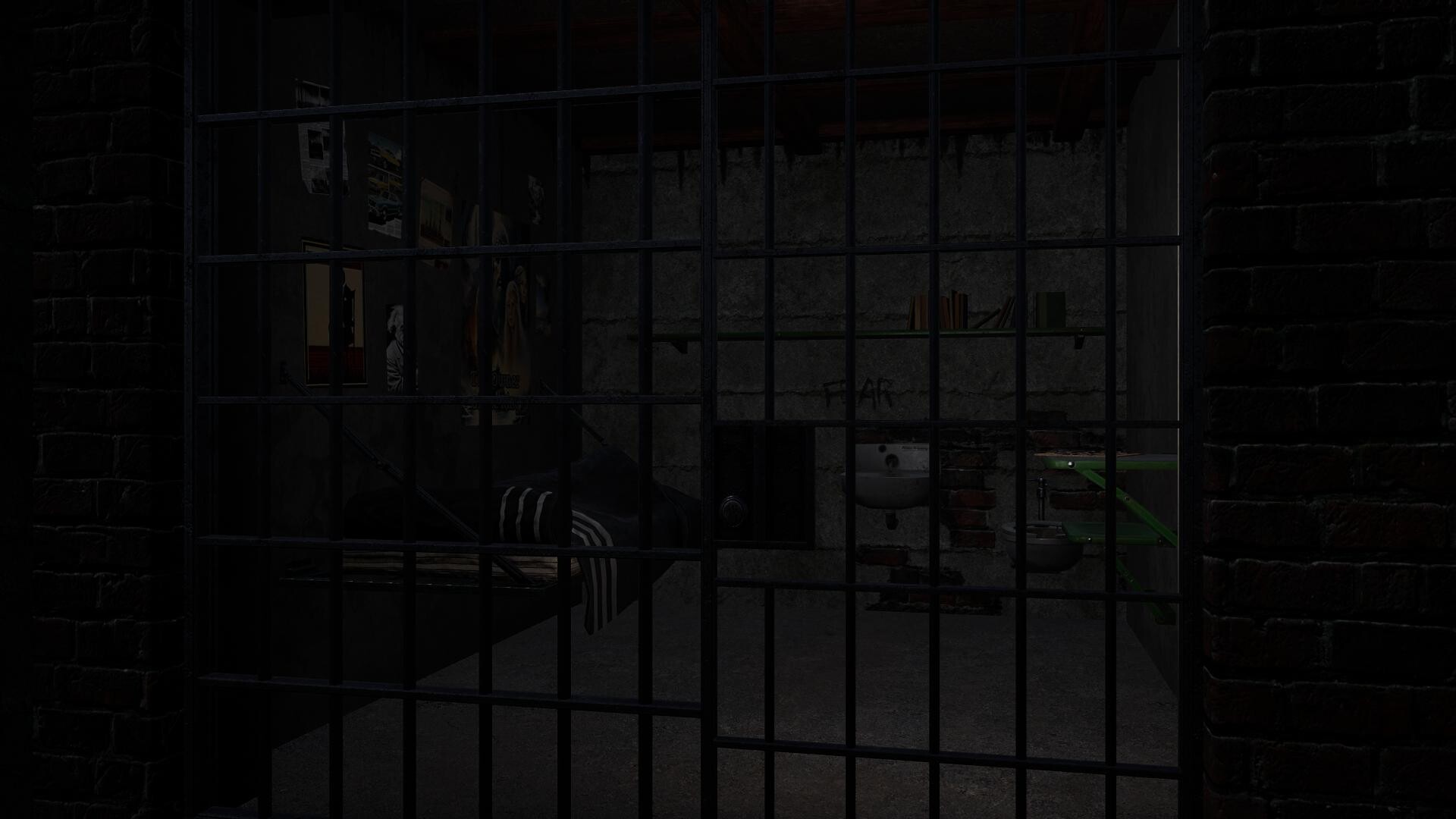
Official Steam materials frame Trace of the Villa as a narrative mystery: Jin has chased leads for years and arrives at a remote, deliberately forgotten mansion where the house itself looks “erased.” Restoring power and accessing locked systems reveals manifests, encrypted documents, and financial trails that suggest controlled movements and falsified identities. The game mixes atmospheric exploration with clue-driven puzzle work and investigative beats rather than constant combat or timed reaction checks.

When and where
Trace of the Villa launched on Steam on 28 May, 2026. It is a PC-focused single-player indie release listed under Action, Adventure, and Indie on its Steam page.
Why the theme matters
Missing-person stakes reframe typical mansion mysteries: the puzzle loop isn’t just curiosity for curiosity’s sake, it’s motivated by Jin’s search for his sister. That personal stake elevates environmental clues (manifests, transfer records, encrypted fragments) into emotional signposts. For players who care about motive and consequence, the game’s insistence on recovering erased identity and financial cover-ups keeps each solved puzzle narratively resonant rather than mechanically detached.
How you progress — reading clues and restoring systems
The Steam description describes a specific investigative rhythm: Jin restores power, secured systems reactivate, hidden compartments unlock, and safes yield fragments of documents. Progress seems to come from alternating environmental observation with puzzle resolution and system reactivation — you piece timeline entries and incomplete records into a larger pattern. That structure promises layered reveals: one unlocked system leads to another puzzle, and another narrative fragment.
Player scenarios — who should wishlist this
- The slow-investigator: You prefer methodical unraveling—tracking manifests, cross-referencing records and piecing together motive from small details rather than constant combat.
- The character-led mystery fan: You want narrative stakes: a single protagonist (Jin) whose personal objective—finding a missing sister—shapes every discovery.
- The atmosphere-first explorer: You enjoy unsettling, deliberately neglected spaces where environmental design and missing artifacts tell much of the story.
- The accessibility-minded player: You value subtitle options, color alternatives, and an experience listed as playable without timed input.
How Trace of the Villa compares to nearby titles
| Title | Genre / Core Focus | Atmosphere | Puzzle vs Exploration | Story Tone / Pacing | Player fit |
|---|---|---|---|---|---|
| Trace of the Villa | Action · Adventure · Indie (mystery, investigation) | Mansion-bound, erased identities, slow-burn suspense | Clue-driven puzzles + system reactivation | Character-motivated, steadily revealing | Players who want missing-person stakes and environmental forensics |
| Inscryption | Adventure · Indie · Strategy | Dark, psychological, card-based dread | Card-puzzle mechanics with meta layers | Intense, often meta-horror pacing | Readers who like mechanical twists and psychological twists |
| Outer Wilds | Action · Adventure | Open, curious, cosmic mystery | Exploration-first, emergent puzzle discovery | Gentle, investigative loop with high-concept reveals | Players who enjoy open-world mystery and discovery |
| The Forgotten City | Adventure · Indie · RPG | Ancient, moral mystery with time mechanics | Puzzle and dialogue-driven with time-loop mechanics | Deliberate, consequence-heavy | Players who like narrative puzzles tied to moral choices |
| The Medium | Adventure | Psychological, dual-reality gloom | Exploration with interleaved realm puzzles | Haunting and atmospheric, steady reveals | Fans of psychological horror and layered realities |
Short take: Trace of the Villa sits closer to story-rich, environmental investigations like The Forgotten City or The Medium in tone, but it prefers a focused mansion setting and a personal missing-person throughline rather than branching moral systems or dual-reality mechanics.
YouTube discovery
Looking for trailers or gameplay? Use this YouTube search path to find videos related to Trace of the Villa (search results may include community or developer uploads): Search Trace of the Villa on YouTube.
Where to wishlist / Steam CTA
If the description above fits your tastes, wishlist or visit the Steam page: Trace of the Villa on Steam
Final notes and disclaimer
This article uses official Steam page text and assets for Trace of the Villa (Steadyturtle Co., Ltd.). Referenced titles and trademarks in comparisons belong to their respective owners; comparisons are editorial discovery, not endorsements. All facts about Trace of the Villa (release date, developer/publisher, genres, categories, visuals) come from the game’s Steam data.
Leave a Reply