
Trace of the Villa: Why Quiet Tension and Missing Identities Matter More Than Jump Scares
Trace of the Villa is a slow-burn atmospheric mystery adventure about a lone investigator returning to a remote, decaying mansion to follow clues that may lead to his missing sister. Released on 28 May, 2026 and developed/published by Steadyturtle Co., Ltd., the game trades cheap shocks for cumulative dread: rooms that feel “erased,” systems that flicker back to life, and fragments of falsified identities that refuse to add up.

Quick facts
| Title | Trace of the Villa |
|---|---|
| Release date | 28 May, 2026 |
| Developer / Publisher | Steadyturtle Co., Ltd. |
| Official short premise | Jin has spent years searching for his missing sister; leads point to a remote, decaying mansion with manifests and hints that she may still be alive. |
| Genres | Action, Adventure, Indie |
| Notable Steam categories | Single-player, Color Alternatives, Custom Volume Controls, Playable without Timed Input, Subtitle Options, Family Sharing |
| Steam page | View Trace of the Villa on Steam |
| Steam user reviews | No user reviews on Steam at time of publication |
Who this is for
If you prefer environmental storytelling and investigative pacing over repeated jump scares, Trace of the Villa is aimed at you. The game suits players who enjoy:
- slow-burn suspense and mansion mysteries where atmosphere is the primary antagonist;
- clue-driven exploration and piecing together timelines from documents, manifests and encrypted fragments;
- single-player story experiences with accessibility options (subtitles, color alternatives, custom volume controls) and no requirement for timed inputs.
What the game actually is
Official materials describe a narrative investigation led by Jin, who enters an off-the-grid estate where rooms look lived-in but deliberately emptied of names and photographs. The mansion’s silence reads like an erasure: personal effects remain, but histories are missing. When Jin restores power, secured systems reactivate, hidden compartments open, and safes yield fragments of encrypted documents and suspicious transfer records. The emergent pattern is one of falsified identities, arrivals with no records, and departures with no witnesses—an organized disappearance rather than chaotic haunting.
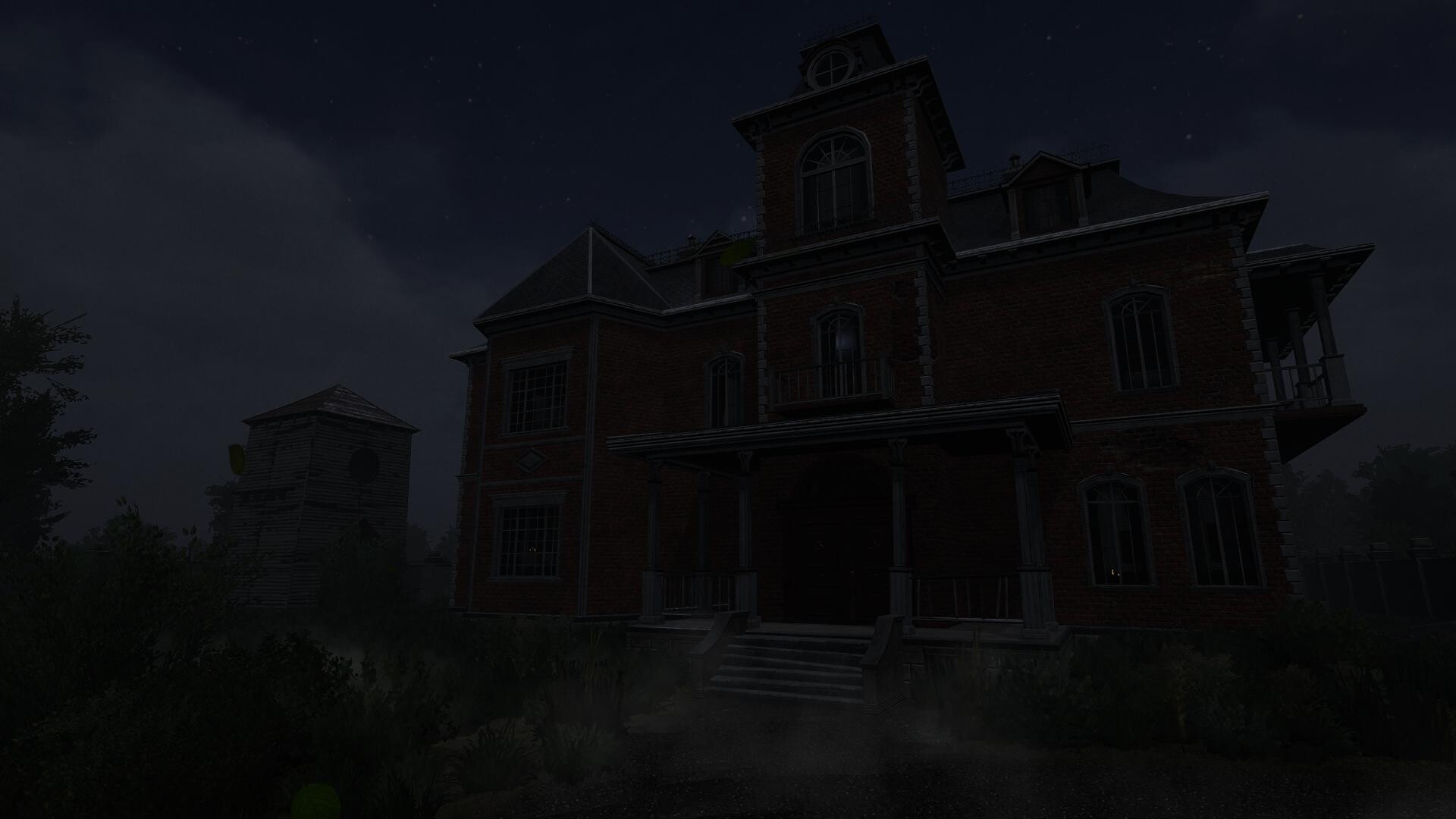

When and where
Trace of the Villa launched on 28 May, 2026 and is listed on Steam as a PC/Steam indie release. The Steam page lists developer and publisher as Steadyturtle Co., Ltd., and the store entry notes single-player and several accessibility categories that suit extended investigative play.
Why quiet tension and identity erasure matter
Psychological horror works in two broad registers: visceral fear and existential uncertainty. Trace of the Villa leverages the latter. Erasure—rooms staged as if people vanished mid-routine, files with names stripped, financial trails that loop to nowhere—creates a sustained cognitive itch. The mind wants closure; the game withholds it in a way that amplifies discomfort. That incremental accumulation of unanswered questions is what makes atmosphere feel dangerous rather than merely spooky.
How you progress: reading systems and restoring timelines
The official description repeatedly emphasizes restoring systems and unlocking sealed spaces. Progress is narrative-puzzle driven: reactivating power brings devices and safes online, and each recovered fragment—manifests, encrypted documents, transfer records—becomes a breadcrumb. Thematically, progress equates to uncovering administrative layers of control: false identities, recorded arrivals without witnesses, and carefully concealed operations. The game appears to reward methodical investigation over reflexive action; the Steam categories also indicate no timed inputs are required.
Player scenarios — who should wishlist it
- If you enjoy titles where reading documents and restoring infrastructure reveal increasingly unsettling institutional truths, add it to your wishlist.
- If you prefer fast-paced horror with combat or constant chase sequences, this may not match your playstyle—the focus here is on atmosphere and puzzle-led discovery.
- If accessibility matters, the Steam page lists subtitle options, color alternatives and custom volume controls—useful for long sessions of concentrated reading and listening.
Comparisons: how it sits next to related psychological/mansion mysteries
Below is an editorial comparison focused on genre, atmosphere, puzzle emphasis, exploration style and pacing. These comparisons are discovery-oriented, not endorsements.
| Title | Release | Tone / Atmosphere | Puzzle / Exploration focus | Pacing / Player fit |
|---|---|---|---|---|
| Trace of the Villa | 28 May, 2026 | Quiet, institutional erasure; mansion mystery | Document-led reveals, restored systems, hidden compartments | Slow-burn; investigative players who prefer reading and puzzle solving |
| Amnesia: The Dark Descent | 8 Sep, 2010 | Immersive, oppressive first-person dread | Environmental puzzles and sanity mechanics that increase vulnerability | Relentless claustrophobic tension; players seeking visceral survival horror |
| SOMA | 21 Sep, 2015 | Sci‑fi existential dread under the sea | Exploration and narrative puzzles emphasizing identity and consciousness | Measured pacing with philosophical beats; suited to reflective players |
| Layers of Fear (2016) | 15 Feb, 2016 | Shifting Victorian mansion and psychological unraveling | Story-driven exploration with surreal environmental changes | Strong emphasis on atmosphere and storytelling; players who like unreliable spaces |
| Poppy Playtime | 12 Oct, 2021 | Abandoned facility with tense, puzzle-oriented encounters | Puzzle tools and environmental hazards play into exploration | Often chunked encounters; players who enjoy puzzle-adventure with moments of threat |
Where to find official media and trailers
You can search for trailers and gameplay videos using this YouTube discovery link (useful for player-made captures and trailers; not a verified official video path):
Leave a Reply