
Trace of the Villa — locked-room thinking for inspection-first players
Trace of the Villa casts you as Jin, a man tracing leads to a decaying, off-the-grid mansion after years searching for his missing sister. Released on 28 May, 2026 by Steadyturtle Co., Ltd., its design emphasis—restoring power, unlocking safes and uncovering encrypted documents—signals a puzzle workflow built around close inspection and environmental clue-chaining.

What Trace of the Villa is
Trace of the Villa is an action/adventure indie on Steam (appID 3483660) that frames investigation as an intimate, domestic mystery. According to the official Steam description, Jin finds manifests and hints in a deliberately forgotten mansion; when he restores power, “secured systems come back online,” hidden compartments open, and safes yield fragments of encrypted documents. The game lists genres as Action, Adventure, Indie and includes single-player-friendly accessibility options such as Color Alternatives, Custom Volume Controls, Subtitle Options and a “Playable without Timed Input” tag—useful for methodical, inspection-heavy play.
When and where
Trace of the Villa launched on 28 May, 2026 and is available on Steam for PC. The store page lists Steadyturtle Co., Ltd. as both developer and publisher. You can find the Steam page at the CTA near the end of this article.
Who it’s for
This is aimed at players who prefer detective-style pacing: those who enjoy tracing chains of evidence, reading the environment for implication rather than explicit exposition, and solving object-based logic puzzles that unlock narrative fragments. The “Playable without Timed Input” category and subtitle options suit players who like to take time with details and who value atmospheric, slow-burn mystery over twitch reflex gameplay.
Why the theme matters
Locked-room thinking and environmental reading are more than aesthetics here—Steam’s official text repeatedly emphasizes erased identities, falsified records, and a house set up to conceal activity. That narrative setup changes how puzzles operate: objects and interfaces aren’t just obstacles, they’re story nodes. Restoring circuits, decoding documents, and opening sealed compartments are likely to reveal the next clue rather than deliver standalone set-pieces, rewarding a detective’s habit of cataloguing and cross-referencing small discoveries.
How you read clues and progress
The Steam description outlines a clear method: restore power, reactivate systems, and use newly available logs and safes to assemble a timeline. Expect investigation to be driven by inspection—finding manifests and documents, using recovered fragments to unlock encrypted material, and following financial traces or falsified identities suggested by recovered evidence. That structure favors players who keep notes, make connections between disparate items, and treat rooms as layered information rather than mere backdrops.

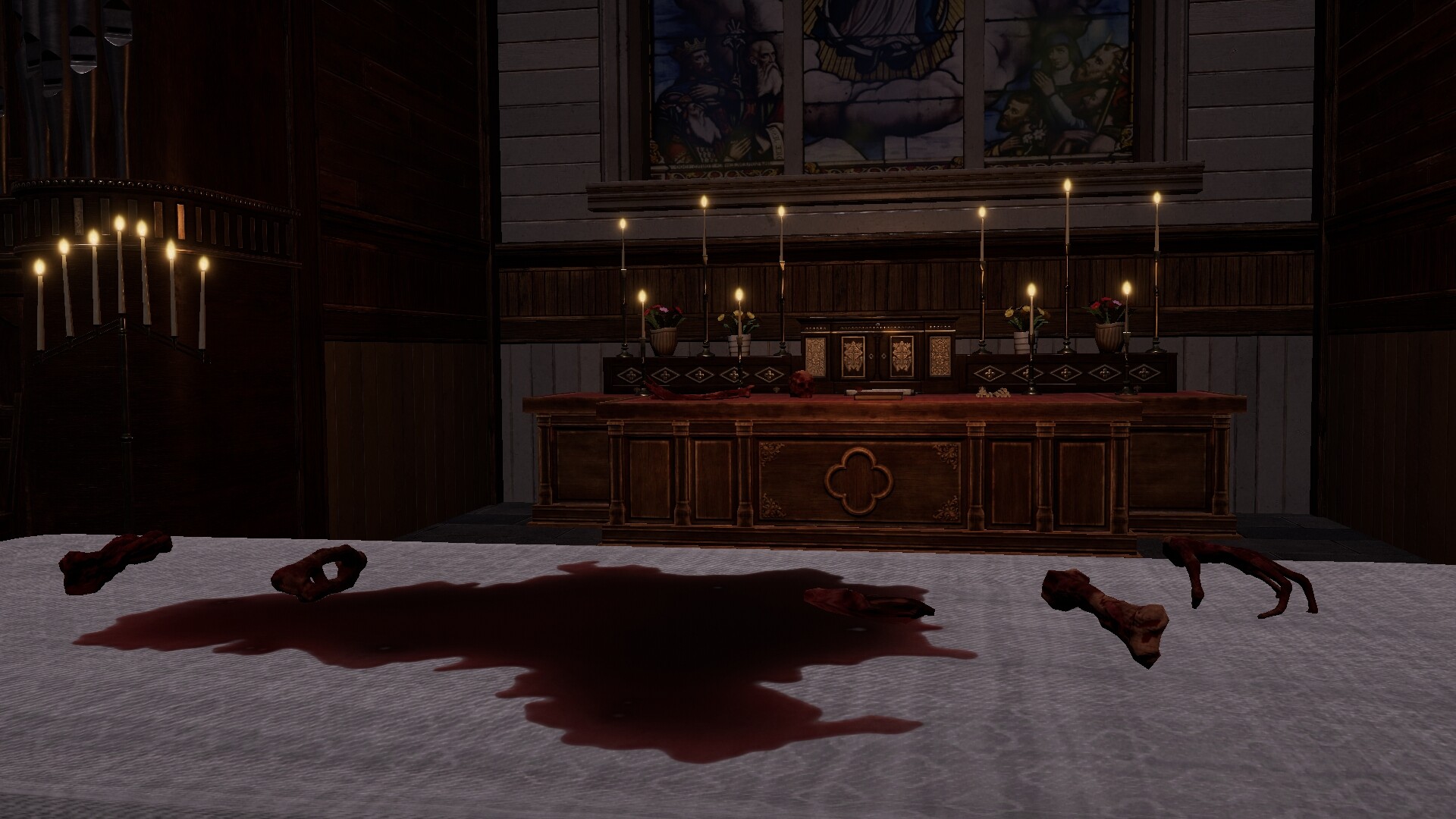
Compact facts — Trace of the Villa
| Title | Trace of the Villa |
|---|---|
| Steam AppID | 3483660 |
| Release date | 28 May, 2026 |
| Developer / Publisher | Steadyturtle Co., Ltd. |
| Genres | Action, Adventure, Indie |
| Key categories / accessibility | Single-player; Color Alternatives; Custom Volume Controls; Playable without Timed Input; Subtitle Options; Family Sharing |
| Store imagery | Official header |
How it compares — short editorial table
| Title | Puzzle focus | Atmosphere / tone | Exploration style | Player fit |
|---|---|---|---|---|
| Trace of the Villa | Inspection-heavy, object logic, clue chains (power systems, safes, encrypted docs) | Atmospheric mansion mystery; slow-burn, investigative | Room-by-room evidence gathering; environmental reading emphasized | Players who like detective pacing and narrative puzzle design |
| The Room | Mechanical object puzzles focused on a single centerpiece safe/device | Mysterious, tactile, intimate | Focused, puzzle-box interactions in contained scenes | Players who enjoy detailed, self-contained puzzle apparatus |
| The Room Two | Similar mechanical puzzle-box design with layered devices | Mysterious crypt-like and eerie | Linear progression through set-piece puzzle rooms | Fans of tactile, tightly designed puzzle sequences |
| Escape Simulator | Highly interactive escape-room gameplay; physics and item manipulation | Varied — from playful to tense depending on room | Free-form object interaction and community-made rooms | Players who like sandboxed physical interaction and co-op |
| Hi-Fi RUSH | Rhythm-action combat and encounter design (not puzzle-first) | High-energy, stylized | Action-driven, level-based | Players focused on beat-synced action rather than environmental mystery |
Player scenarios — who should wishlist it
- Inspector-curious: You like taking notes, cross-referencing logs and treating rooms as dossiers of evidence rather than just scenery. Trace of the Villa’s documented focus on manifests, encrypted fragments and restored systems will reward that approach.
- Slow-burn atmosphere fans: If you prefer tension built through unsettling details and erasure of identity instead of jump scares, the mansion’s “less abandoned than erased” framing aligns with that preference.
- Accessibility-minded players: The “Playable without Timed Input” category and subtitle options make it suitable for players who need or prefer unhurried puzzle solving.
- Not for fast-action seekers: If you want twitch combat or rhythm-driven gameplay (e.g., Hi-Fi RUSH) this is
Steam page
View Trace of the Villa on Steam
YouTube discovery
For trailer and gameplay discovery, use YouTube search rather than relying on unverified embeds: Find Trace of the Villa trailer and gameplay searches on YouTube.
Leave a Reply