
Trace of the Villa — why quiet tension and uncertainty matter more than shock claims
Trace of the Villa trades jump-scare spectacle for slow-burn psychological investigation: a mansion-bound mystery that leans on erased identities, hush-and-hint environmental storytelling, and the uneasy feeling that the house remembers more than anyone living in it. Released on 28 May, 2026 by Steadyturtle Co., Ltd., it asks players to read small clues and restore long-dormant systems to unspool a deliberately concealed operation.

Who this is for
If you prefer atmosphere-over-shocks, slow-burn suspense, and detective-style exploration, Trace of the Villa is aimed at you. The game sits for players who value: close-reading environmental clues, puzzle-led progression rather than twitch reflexes, and a narrative that unfolds through artifacts, encrypted documents, and systems you bring back online. Steam categories confirm a single-player, accessible experience with options such as subtitles, color alternatives, and play without timed input — useful signals for players who want a measured, contemplative pace.
What the game is
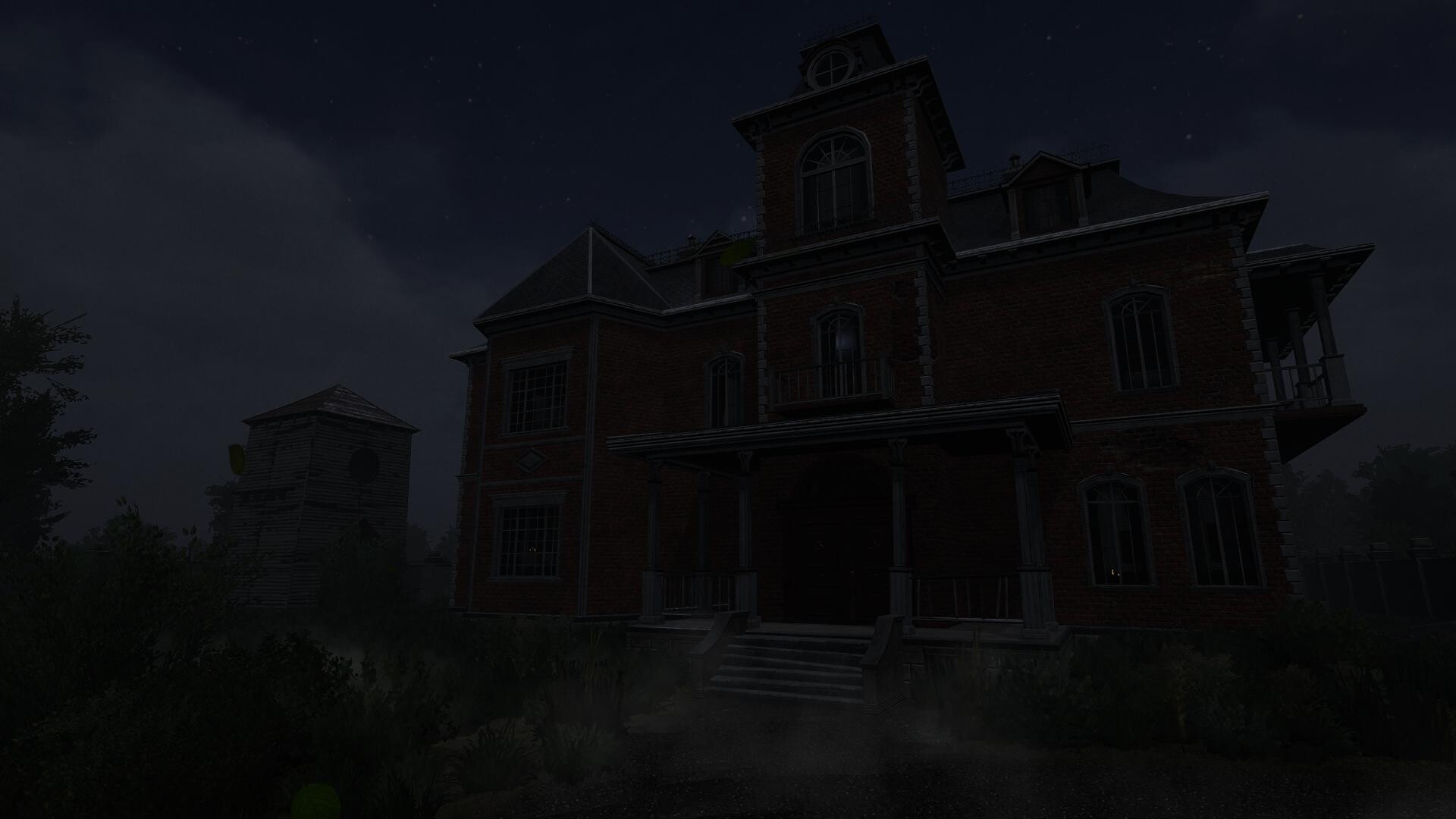
Trace of the Villa casts you as Jin, who has spent years searching for his missing sister. A lead points to a remote, decaying mansion cut off from the grid. Inside, rooms look lived-in but deliberately scrubbed of names and photographs: an impression of identity erasure. When Jin restores power and opens secured compartments, the house returns fragments of encrypted documents, falsified identities, and financial traces that hint the mansion was part of a larger, controlled operation. The Steam page lists the game under Action, Adventure, Indie and places it in Steam’s single-player categories with family sharing and accessibility options.
When and where
Trace of the Villa launched on Steam on 28 May, 2026. It’s published and developed by Steadyturtle Co., Ltd. — the Steam store presence is the primary place to find official assets, trailers, and purchase or wishlist the title.
Why quiet tension and uncertainty matter here
Psychological horror built around unexplained spaces and identity erasure depends more on uncertainty than on loud shocks. Trace of the Villa’s premise — rooms furnished to mid-routine with names and histories removed — turns ordinary domestic objects into sources of suspicion. That erasure raises questions: Why were identities wiped? Who controlled movement through the property? The game’s tension grows from the player’s need to hypothesize from gaps, to make connections from half-visible records rather than having answers handed to them by dramatic scares.
How you progress (and what you actually do)
Progression, according to the official description, centers on investigative tasks: restoring power to the estate, reactivating secured systems, unlocking hidden compartments, and extracting fragments of encrypted documents and transfer records. Each solved puzzle reveals another layer of the timeline — arrivals without records, departures without witnesses — so advancement is clue-driven. The pacing favors methodical exploration and piecing together a story from environmental details and recovered data rather than combat or reflex-based challenges.
Compact facts: Trace of the Villa
| Title | Trace of the Villa |
|---|---|
| Release date | 28 May, 2026 |
| Developer | Steadyturtle Co., Ltd. |
| Publisher | Steadyturtle Co., Ltd. |
| Genres | Action, Adventure, Indie |
| Steam categories / features | Single-player; Color Alternatives; Custom Volume Controls; Playable without Timed Input; Subtitle Options; Family Sharing |
| Steam page | Trace of the Villa on Steam |
Official screenshots

Player scenarios — who should wishlist this
- Players who enjoy clue-driven exploration: you’ll spend time reconstructing timelines from documents and locked compartments rather than facing waves of enemies.
- Fans of environmental storytelling and slow-burn dread: the game trades overt horror for the creeping sensation that someone erased lives and left a trail to follow.
- Accessibility-minded players: Steam categories indicate subtitle options, color alternatives, custom volume controls, and play without timed input — helpful if you prefer a more measured, readable experience.
- Those who prefer narrative puzzle design over action spectacle: listed as Action/Adventure/Indie, but the description emphasizes investigation and system restoration as the main drivers.
How it compares (editorial discovery)
| Title | Release | Core tone | Gameplay focus | Pacing |
|---|---|---|---|---|
| Trace of the Villa | 28 May, 2026 | Mansion mystery; identity erasure; restrained dread | Clue-driven exploration, restoring systems, puzzle unlocking | Slow-burn, investigative |
| Amnesia: The Dark Descent | 8 Sep, 2010 | Immersive survival horror | First-person immersion, survival mechanics, environmental discovery | Intense, atmospheric with episodic peaks |
| SOMA | 21 Sep, 2015 | Sci-fi existential horror | Narrative-driven exploration, thematic questioning of identity | Measured, contemplative with tense set-pieces |
| Layers of Fear (2016) | 15 Feb, 2016 | Psychological mansion horror; narrative madness | Atmospheric first-person exploration, story revealed by environment | Variable — deliberately disorienting |
| Poppy Playtime | 12 Oct, 2021 | Horror-puzzle in an abandoned factory | Puzzle tools and stealth elements; set-piece encounters | Mix of tension and jump-oriented encounters |
Editorial note: these comparisons focus on genre, atmosphere, puzzle emphasis, exploration style, story tone, and pacing for reader guidance, not claims of superiority or official relation.
YouTube
YouTube discovery
For trailer and gameplay discovery, use YouTube search rather than relying on unverified embeds: Find Trace of the Villa trailer and gameplay searches on YouTube.
Leave a Reply