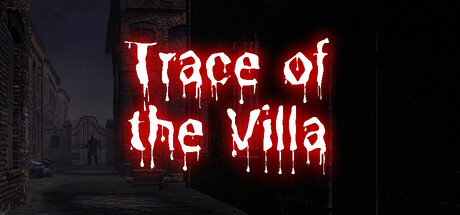
Trace of the Villa: why quiet dread and an empty mansion matter more than loud shocks
Trace of the Villa trusts silence and unfinished routines to unsettle you—Jin’s search for a missing sister leads into a decaying, off-grid mansion that reveals its story through power switches, locked safes, and fragments of erased lives. Released 28 May, 2026 by Steadyturtle Co., Ltd., the game opts for slow-burn, clue-driven exploration over overt jump scares, a choice that shapes what kind of player will get most from the experience.

| Title | Trace of the Villa |
|---|---|
| Steam AppID | 3483660 |
| Developer / Publisher | Steadyturtle Co., Ltd. |
| Release date | 28 May, 2026 |
| Genres | Action · Adventure · Indie |
| Categories | Single-player; Color Alternatives; Custom Volume Controls; Playable without Timed Input; Subtitle Options; Family Sharing |
Who this is for
If you prize atmosphere, environmental storytelling, and methodical clue-gathering, Trace of the Villa is aimed at you. Players who appreciate slow, escalating unease—where emptied rooms and restored systems tell more than a string of scripted shocks—will find the pacing and investigative design a satisfying fit. The game’s Steam categories (single-player, subtitle options, playable without timed input) also make it accessible to players who want a contemplative experience without twitch mechanics.
What the game is (and what it isn’t)
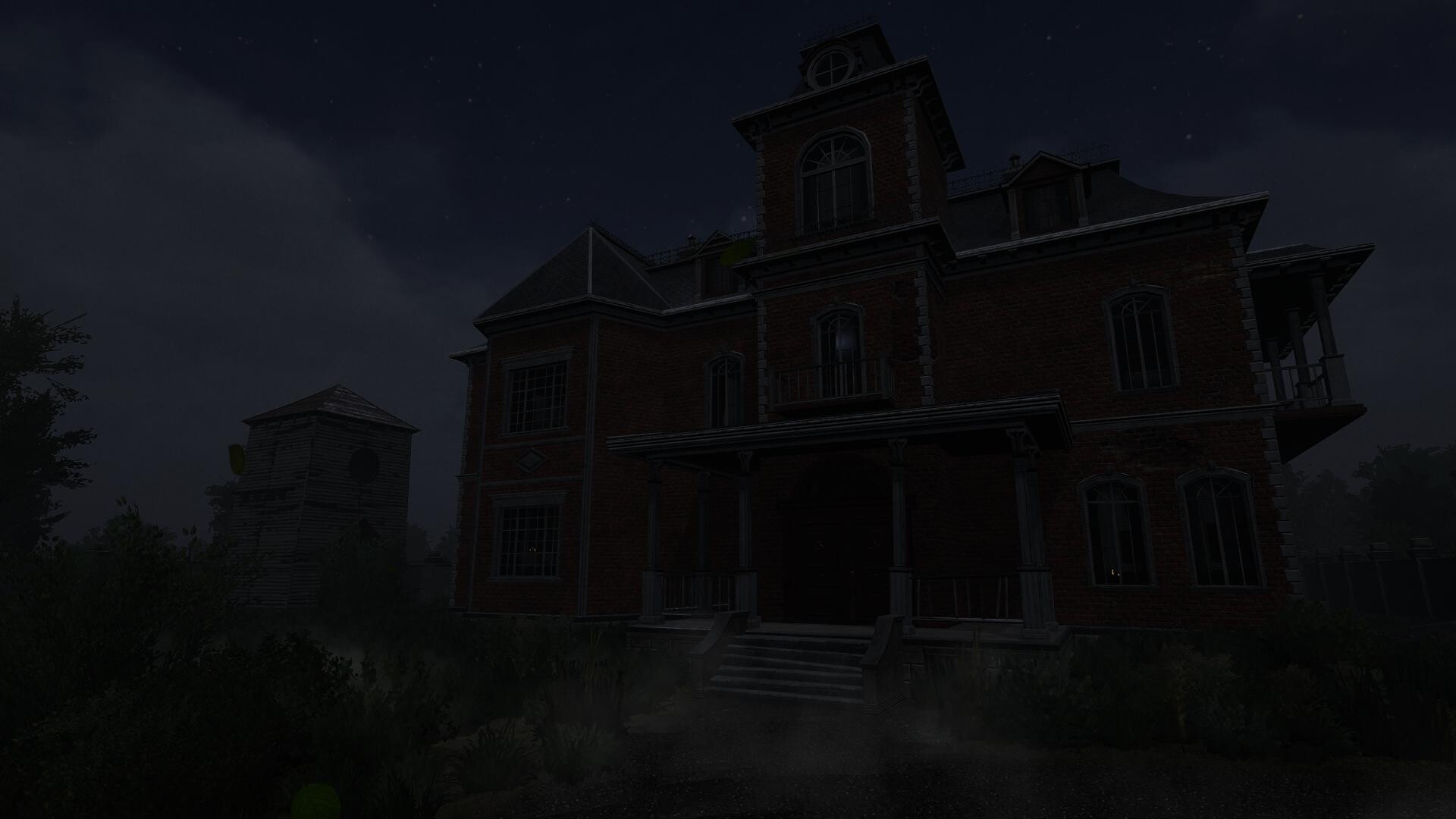
Official storefront text sets the premise plainly: Jin has spent years searching for his missing sister and follows a lead to a deliberately forgotten mansion. Inside, rooms appear as if people vanished mid-routine; there are no photographs or names — identities seem removed. Restoring power reactivates secured systems, opens hidden compartments and safes, and reveals encrypted fragments and suspicious records. That language describes a narrative puzzle structure: you reveal story by interacting with systems and solving locks rather than by encountering a parade of jump-scares.

When and where
Trace of the Villa launched on Steam on 28 May, 2026. It is listed on Steam as an Action / Adventure / Indie title and carries standard single-player and accessibility categories (color alternatives, custom volume controls, subtitle options), which are useful details when deciding system and control preferences.
Why quiet tension and uncertainty matter
Psychological dread works differently when a space appears “erased” rather than actively hostile. The mansion’s preserved-but-empty rooms create a cognitive mismatch: familiar domesticity without the human markers that explain it. That mismatch forces players to become detectives of absence—reading furniture placement, system logs, and encrypted documents—and to supply emotional context themselves. Restoring power and unlocking safes is not just puzzle-solving: it’s an incremental peeling-back of an intentional withholding, which sustains uncertainty and makes each discovery weightier.
How you progress: systems, clues, and pacing
The Steam description emphasizes investigative systems: restoring power, reactivating secured systems, unlocking hidden compartments and safes, and assembling fragments of documents and transfer records that reveal a larger operation. Expect progression to hinge on environmental puzzles and forensic reading of the mansion’s remnants rather than combat or timed reflex tests—the store page lists “Playable without Timed Input,” which reinforces the slower, puzzle-first approach.
Who should wishlist or wait
- Wishlist if you like story-rich adventures that reward patient observation and piecing together narrative through environmental clues and unlocked documents.
- Consider other options if you prefer constant enemy encounters, fast-paced combat, or games driven by repeated jump-scares rather than sustained psychological tension.
- The inclusion of subtitle options and custom volume controls makes it appropriate for players who need accessibility options for text and audio.
Comparison: how Trace of the Villa lines up with nearby psychological/mystery games
| Title | Primary perspective / feel | Genre focus | Puzzle vs action | Pacing / exploration style |
|---|---|---|---|---|
| Trace of the Villa | Third-person/first-person feel through environmental investigation (store text emphasizes restoring systems and safes) | Action · Adventure · Indie | Clue-driven puzzles, environmental systems (restoring power, hidden compartments) | Slow-burn, evidence-led mansion mystery |
| Amnesia: The Dark Descent | First-person survival horror | Action · Adventure · Indie | Exploration and survival mechanics; immersion and discovery | Immersive, fear-focused pacing with direct survival threats |
| SOMA | First-person sci-fi horror | Action · Adventure · Indie | Narrative-driven puzzles balanced with survival beats | Atmospheric, existential pacing under a sci-fi setting |
| Layers of Fear (2016) | First-person psychological horror in a Victorian mansion | Adventure · Indie | Atmosphere and story-focused exploration; psychological puzzle elements | Unnerving, art-focused, shifting environments |
| Poppy Playtime | Third-person/first-person toy-factory horror-puzzle (store description cites GrabPack mechanics) | Action · Adventure · Indie | Steam page
Leave a Reply