
Trace of the Villa — how clue-reading, object logic, and story puzzles reveal evidence without spoiling the mystery
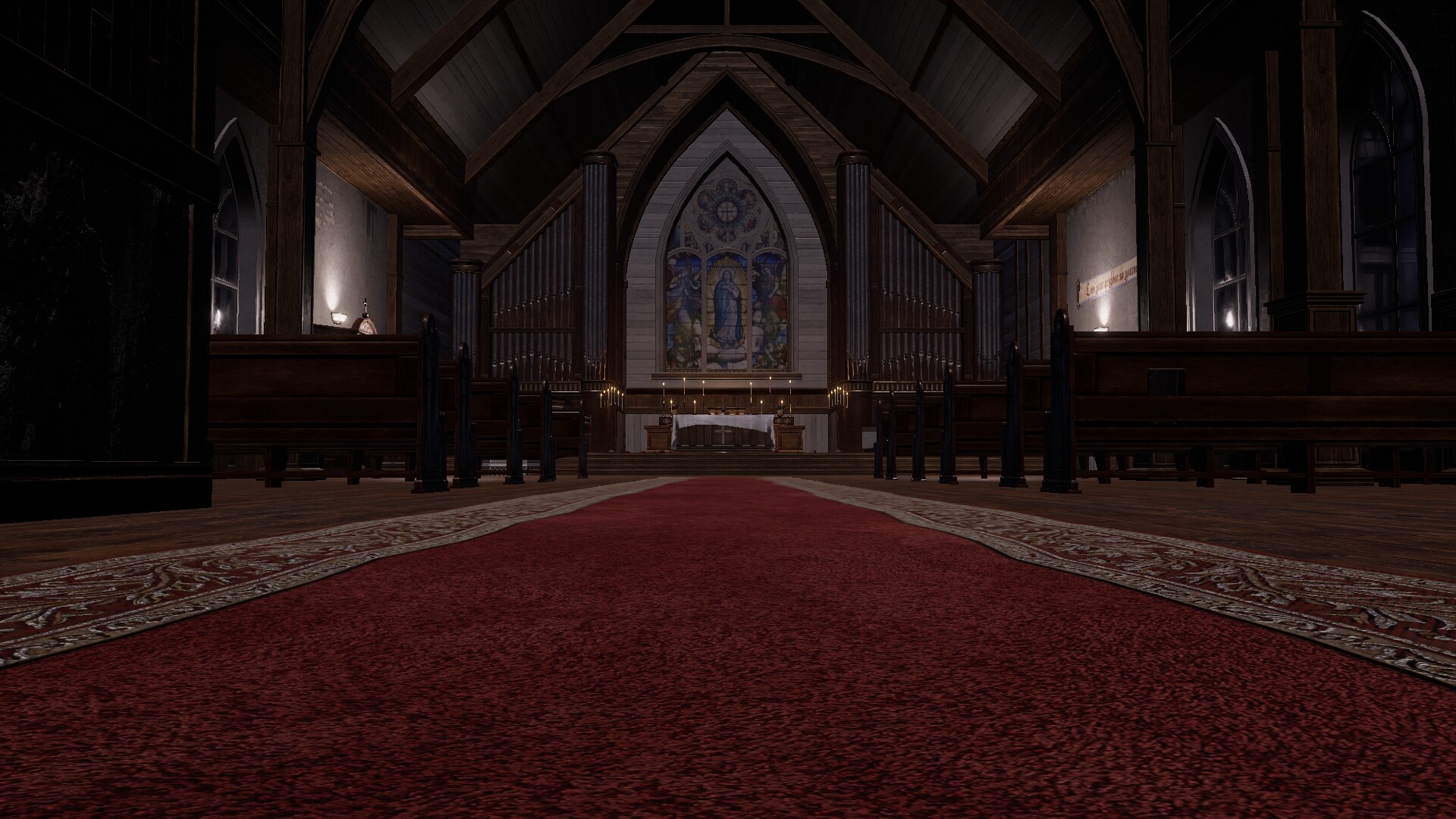
Trace of the Villa (Steadyturtle Co., Ltd., 28 May, 2026) is an atmospheric mystery adventure that places investigation at its center: you read manifests, restore systems, and piece together fragments of evidence in a decaying mansion to follow a trail that may lead to the protagonist’s missing sister. The design emphasis — environmental storytelling, locked systems that yield encrypted documents, and object-based puzzles — is tuned to show players the building blocks of a story rather than handing over conclusions.

| Title | Trace of the Villa |
|---|---|
| Release date | 28 May, 2026 |
| Developer / Publisher | Steadyturtle Co., Ltd. |
| Genres | Action · Adventure · Indie |
| Key Steam categories | Single-player · Color Alternatives · Custom Volume Controls · Playable without Timed Input · Subtitle Options · Family Sharing |
| Steam page | View Trace of the Villa on Steam |
Who this is for
Players who prefer slow-burn suspense, environmental storytelling, and puzzle systems that reward careful observation will find the premise compelling. If you like puzzle adventures where reading manifests, probing locked systems, and correlating object evidence builds the narrative without explicit exposition, Trace of the Villa targets that experience. The inclusion of accessibility options such as Playable without Timed Input and Subtitle Options also signals a more methodical pace over twitch reflex gameplay.
What the game is (and what it shows you)
The official short description frames the premise: “Jin has spent years searching for his missing sister, pursuing leads that took him to a remote, decaying mansion where he recovered manifests and hints that indicate his sister may still be alive, somewhere at the end of the trail he is about to follow.” The longer official description outlines the investigation beats players should expect: restoring power to the estate brings systems back online, hidden compartments and safes produce fragments of encrypted documents, and each solved puzzle uncovers more layers of a concealed operation. Importantly, these are story signals — evidence and timelines — rather than blunt narrative answers.
When and where to play
Trace of the Villa launched on Steam on 28 May, 2026 and is listed there as Action / Adventure / Indie with single-player support and the accessibility and quality-of-life categories noted above. The Steam page is the place to wishlist or pick up the PC version.
Why the theme matters: evidence before explanation
Not all narrative puzzles aim to answer the mystery immediately; some are designed to assemble an evidentiary mosaic. In Trace of the Villa, puzzles return fragments — manifests, forged transfers, encrypted notes — that act like witness statements. That design choice shapes the player’s role: you’re an investigator reconstructing context from objects and systems. Because the game surfaces partial artifacts rather than full revelations, players must connect dots themselves; the emotional weight of discovery comes from assembling the pattern, not from a single expositional cutscene.
How the player reads clues and progresses
Mechanically, expect a blend of environmental interaction and systems restoration. The official description describes restoring power, reactivating secured systems, and unlocking safes that yield encrypted documents and suspicious transfer records. Those puzzle outcomes provide discrete pieces of story evidence — a financial trail, falsified identities, and indications of people moving through the property under control. The progression loop is: locate a sealed system or locked compartment, solve the object or logic puzzle that opens it, then interpret the document or item you find to unlock further areas or lines of inquiry. Because the game lists options like Custom Volume Controls and Color Alternatives, it supports players who need adjustments while they inspect visual and audio clues closely.
Player scenarios — which kind of players should wishlist?
- Methodical investigators: You relish reading logs and assembling timelines. The game’s manifest- and document-driven reveals will suit you.
- Atmospheric explorers: If slow pacing, mansion mood, and subtle environmental storytelling draw you in, this delivers on tone rather than jump-scare spectacle.
- Puzzle-first players: You want object logic that opens the next narrative layer. Expect puzzles that serve as gateways to evidence, not gatekeepers to plot summaries.
- Accessibility-minded players: If you prefer no timed inputs and clear subtitle options, the Steam categories indicate support for a less pressure-driven investigation.
How Trace of the Villa compares to nearby puzzle-adventure experiences
Below is a compact editorial comparison using lawful discovery—focusing on puzzle focus, atmosphere, exploration pace, and the type of player each title tends to satisfy.
| Title | Core puzzle focus | Atmosphere & tone | Exploration pace | Good for |
|---|---|---|---|---|
| Trace of the Villa | Object/system puzzles that yield documents and financial traces | Decaying mansion, investigative, slow-burn suspense | Measured, clue-driven progression | Players who like environmental storytelling and evidence assembly |
| The Room | Tactile puzzle boxes and mechanical puzzles | Tense, uncanny curiosity | Box-by-box, focused encounters | Players who love handcrafted mechanical puzzles |
| The Room Two | Sequential mechanical puzzles across connected environments |
YouTube discoveryFor trailer and gameplay discovery, use YouTube search rather than relying on unverified embeds: Find Trace of the Villa trailer and gameplay searches on YouTube. CommentsMore posts |
Leave a Reply