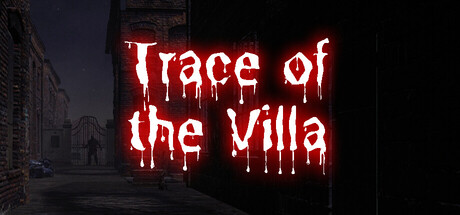
Who should consider Trace of the Villa after enjoying atmospheric mystery adventures?
Trace of the Villa is a slow-burn, clue-driven mystery set inside a remote, decaying mansion where protagonist Jin follows fragmented manifests and encrypted traces that may lead to his missing sister. If you prize environmental storytelling, methodical puzzle work, and a tense, investigative atmosphere, this Steam indie release could fit your next single-player session.

Quick facts
| Title | Trace of the Villa |
|---|---|
| Steam App ID | 3483660 |
| Release date | 28 May, 2026 |
| Developer / Publisher | Steadyturtle Co., Ltd. |
| Genres | Action, Adventure, Indie |
| Notable Steam Categories | Single-player; Color Alternatives; Custom Volume Controls; Playable without Timed Input; Subtitle Options; Family Sharing |
| Premise (official short) | Jin has spent years searching for his missing sister, pursuing leads that took him to a remote, decaying mansion where he recovered manifests and hints that indicate his sister may still be alive, somewhere at the end of the trail he is about to follow. |
What Trace of the Villa is (and what it deliberately is not)
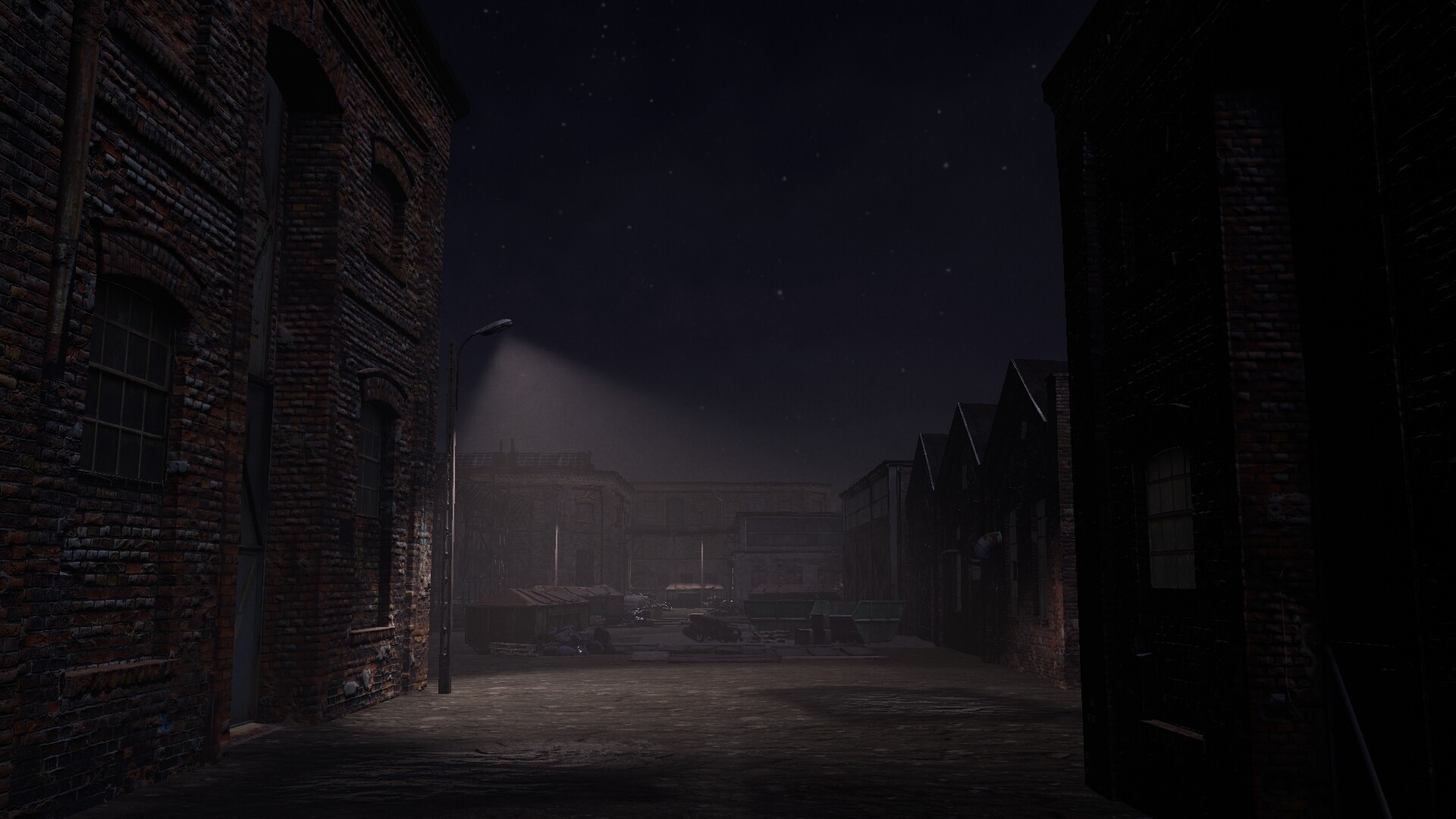
Trace of the Villa frames a personal investigation inside an isolated estate. According to the official description, the mansion feels “less abandoned than erased” — rooms frozen mid-routine, locked doors holding secrets, and secured systems that reveal more as power is restored. The game leans into environmental storytelling and unraveling a hidden operation through documents, safes, and encrypted fragments rather than fast-paced combat or arcade-style scares.

Who should consider Trace of the Villa?
- Players seeking atmospheric mystery adventures built around environmental storytelling and slow-burn suspense.
- Those who prefer clue-driven exploration and puzzle sequences tied into a narrative (encrypted documents, safes, locked systems) over twitch-based gameplay.
- Fans of single-player indie titles where investigation and piecing together a timeline carry the emotional weight of the story.
- PC players who want accessible options — Trace of the Villa lists subtitle options, color alternatives, and controls suitable for non-timed input experiences.
When and where (Steam context)
Trace of the Villa launched on Steam on 28 May, 2026. It’s a Steam indie release from developer-publisher Steadyturtle Co., Ltd., listed under Action / Adventure / Indie and categorized as a single-player experience with accessibility options such as subtitle support and non-timed inputs.
Why the mansion theme still matters
Mansion mysteries remain a reliable container for investigative pacing: closed spaces concentrate clues, domestic detritus becomes evidence, and gradual restoration of systems (power, safes, archives) provides a controlled cadence for discovery. Trace of the Villa’s premise—restoring estate systems to unlock history—suggests a game that stages revelation as a sequence of investigative beats rather than jump scares or set-piece action.
How progression and clues are presented
The official material emphasizes reconstructing a timeline through recovered manifests, encrypted documents, suspicious transfer records, and physical locks. Expect gameplay loops that alternate careful examination of scenes, solving puzzles to access new records or systems, and connecting fragments into a narrative thread about controlled movements and false identities. The presence of “playable without timed input” also implies puzzle-focused pacing that rewards deliberation.
Comparison: Trace of the Villa vs. nearby mystery/puzzle titles
Below is a focused editorial comparison on tone, pacing, clue emphasis, exploration style, and player fit. This is an editorial discovery exercise to help you match tastes; it does not claim endorsement or official ties.
| Title | Tone | Pacing | Clue / Puzzle Focus | Exploration Style | Player fit |
|---|---|---|---|---|---|
| Trace of the Villa (2026) | Tense, investigative, personal | Methodical, slow-burn | Document fragments, safes, encrypted records — clue-driven | Confined mansion, system restoration opens new areas | Players who like environmental storytelling and patient puzzle work |
| Amnesia: The Dark Descent (2010) | Horror-forward, oppressive | High-tension with survival elements | Puzzle-light relative to atmosphere; emphasis on immersion and dread | First-person roaming with focus on hiding/avoidance | Those seeking visceral horror and continuous dread rather than document-led investigation |
| SOMA (2015) | Philosophical sci-fi horror | Steady, narrative-driven with tense moments | Environmental clues and dialogue; puzzles support story beats | Linear exploration in closed sci-fi environments | Players who want story-heavy, thought-provoking horror with exploration |
| Layers of Fear (2016) | Psychological, surreal | Variable — atmospheric shifts and surprise reveals | Puzzle elements are woven into shifting architecture and symbolism | Unstable mansion that rearranges itself; exploration is experimental | Fans of narrative weirdness and shifting environmental puzzles |
| The Room (2014) | Mysterious, claustrophobic | Measured, puzzle-centric | Mechanical, tactile puzzles focused on a single-object investigation | Focused, room-by-room puzzle boxes rather than broad exploration | Players who prefer concentrated mechanical puzzles over open exploration |
| Rusty Lake Hotel (2016) | Opaque, eerie puzzle-adventure | Compact, puzzle-driven chapters | Point-and-click puzzles tied to surreal narrative beats | Room-based progression with puzzle vignettes | Those who like short-form chapters and surreal puzzle logic |
Player scenarios — who should wishlist Trace of the Villa
- If you enjoyed methodical clue assembly: You’ll appreciate a game that rewards documenting timelines, cross-referencing manifests, and unlocking systems methodically.
- If you want narrative stakes tied to investigation: The missing-sister premise gives emotional direction to the puzzle beats rather than abstract mystery alone.
- If you avoid reflex-based horror: Steam categories indicate “Playable without Timed Input” and subtitle options — useful for players who want to take a measured approach.
- If you prefer compact, scene-focused puzzles: Expect rooms with locked secrets and safes that reveal more context as you progress.
YouTube discovery
If you want to see trailers or gameplay clips before deciding, use this YouTube search path to find available videos: Search Trace of the Villa trailers and gameplay on YouTube. (This is a discovery link; consult verified official channels for confirmed trailers.)
View Trace of the Villa on Steam
Referenced titles and trademarks belong to their respective owners. Comparisons above are editorial discovery only—intended to help readers match tastes, not
Leave a Reply