
Trace of the Villa: a story-first mansion mystery for players who read every room
Trace of the Villa asks you to follow a trail of erased lives through a remote, decaying mansion — piecing together manifests, encrypted fragments, and locked secrets to learn whether Jin’s missing sister is still alive. Released on 28 May, 2026 by Steadyturtle Co., Ltd., it leans into slow-burn suspense and environmental storytelling rather than loud scares.

What the game is
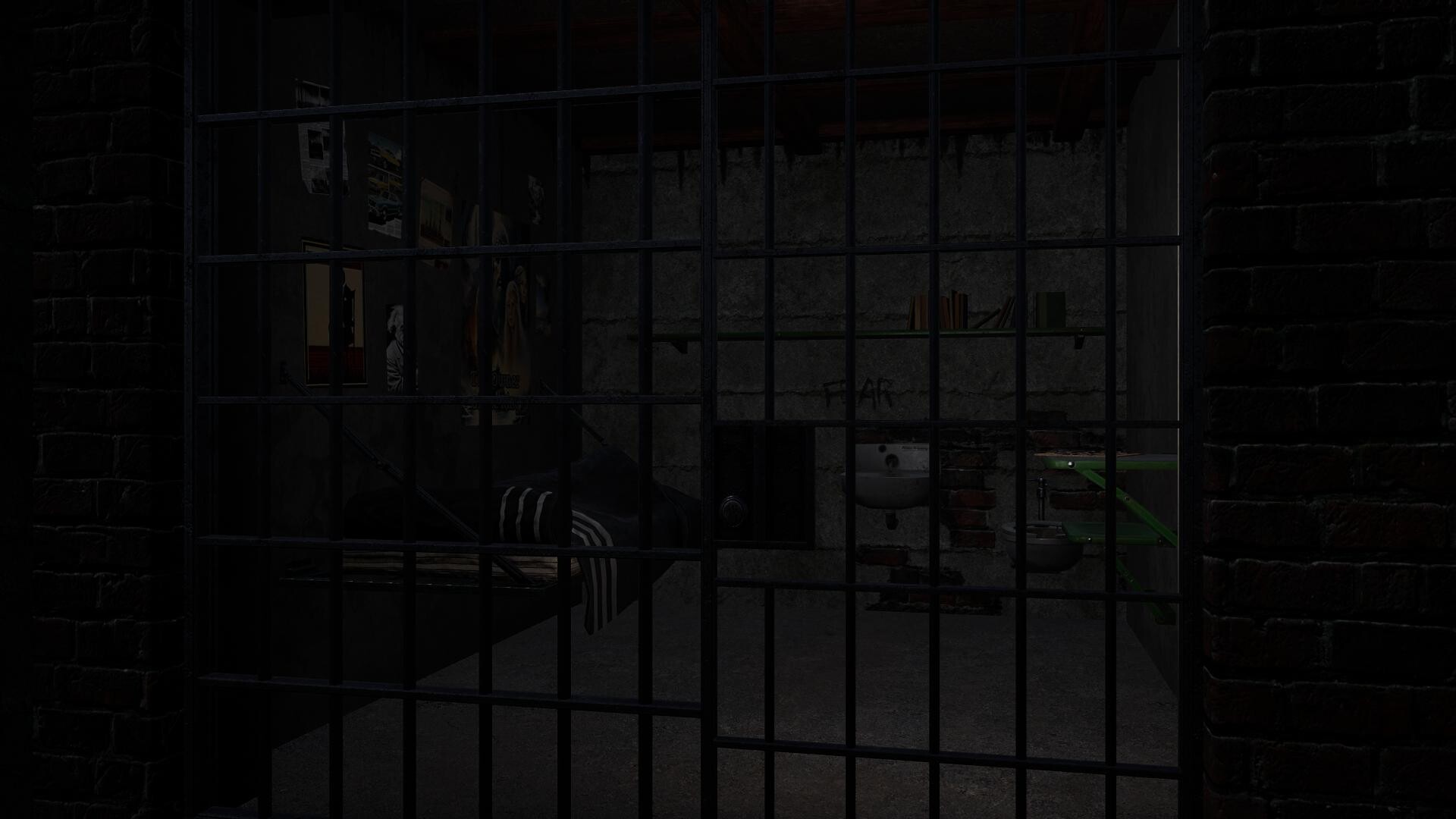
Officially described on Steam as a story about Jin, who has spent years searching for his missing sister, Trace of the Villa places you in a property “cut off from the grid and deliberately forgotten.” The mansion feels “less abandoned than erased”: furnished rooms, locked doors, and personal belongings with key information missing. When Jin restores power, secured systems come back online, hidden compartments open, and safes yield fragments of encrypted documents and suspicious transfer records. The Steam listing classifies it under Action, Adventure, and Indie and lists single-player-friendly accessibility options such as Color Alternatives, Custom Volume Controls, Playable without Timed Input, and Subtitle Options.
Who it’s for
This is for players who prioritize narrative curiosity over twitch reflexes: those who slow their pace, read tooltips and manifests, and treat rooms like dossiers. If you enjoy environmental storytelling, clue-driven exploration, and puzzle moments that reveal layers of a backstory (safes, encrypted documents, and restored systems are explicitly called out on the Steam page), Trace of the Villa is aimed at you.
When and where
Trace of the Villa launched on 28 May, 2026 and is available on Steam for PC. The developer and publisher listed on Steam are both Steadyturtle Co., Ltd.
Why the theme matters
At its core the game trades jump-scare horror for investigative weight: the emotional thrust is a search for a missing person inside a place designed to remove histories. That design — rooms arranged as interrupted routines, systems coming back to life, falsified identities — frames mystery as a process of reading absence as much as presence. For players drawn to slow reveal and puzzle-as-evidence, this is a psychological investigation about what institutions and systems do to identity.
How you progress — reading the house
The Steam description explains progression in concrete, story-first terms: restore estate power; watch secured systems come back online; find hidden compartments and safes; recover encrypted documents and suspicious transfer records. Each solved lock or system restart is not just gating a corridor but unspooling another layer of the operation that used the mansion. That makes progression feel forensic — collect fragments, link them, and let the pattern emerge.

Player scenarios — who should wishlist it
- You’re a methodical player who savors environmental storytelling and reading documents to reconstruct events.
- You prefer narrative mystery with puzzle beats (unlocking safes, restoring systems, decrypting fragments) over combat-heavy action.
- You want an atmospheric, single-player mystery with accessibility options like subtitles and playable-without-timed-input mechanics.
- You are curious about slow-burn investigations that treat each solved puzzle as an evidentiary step toward a larger conspiracy.
Quick facts
| Title | Trace of the Villa |
|---|---|
| Developer / Publisher | Steadyturtle Co., Ltd. |
| Release date | 28 May, 2026 |
| Genres | Action, Adventure, Indie |
| Key categories / accessibility | Single-player; Color Alternatives; Custom Volume Controls; Playable without Timed Input; Subtitle Options; Family Sharing |
| Steam reviews (at publication) | No user reviews |
| Store page | Trace of the Villa on Steam |
How it compares — editorial discovery
Below are lawful, focused comparisons that highlight atmosphere, puzzle focus, and exploration style rather than quality judgments.
| Title | Core mystery vibe | Puzzle focus | Exploration style | Pacing / tone | Who might prefer it |
|---|---|---|---|---|---|
| Inscryption | Card-based, psychological and meta-horror. | Escape-room puzzles embedded in a card/roguelike system. | Compartmentalized scenes with surprising mechanical shifts. | Darker, claustrophobic, emergent reveals. | Players who like mechanic-driven mystery with sudden structural twists. |
| Outer Wilds | Open-world cosmic mystery (time-loop framed). | Puzzle and discovery across interconnected systems. | Roaming exploration across a solar system. | Patient, wonder-filled, iterative discovery (not linear). | Players who enjoy open exploration and narrative puzzles at a systemic scale. |
Leave a Reply