
Trace of the Villa: When a mansion erases its own past, players chase the scraps of meaning
Trace of the Villa puts a human search at its center: Jin has spent years looking for his missing sister, and new leads point to a remote, decaying mansion that feels less abandoned than deliberately emptied. The game promises clue-driven exploration, environmental storytelling, and slow-burn revelation as players restore systems, open hidden compartments, and stitch together financial manifests and encrypted fragments that hint the sister may still be alive.

At a glance
| Title | Trace of the Villa |
|---|---|
| Release date | 28 May, 2026 |
| Developer / Publisher | Steadyturtle Co., Ltd. |
| Genres | Action, Adventure, Indie |
| Key Steam categories | Single-player; Color Alternatives; Custom Volume Controls; Playable without Timed Input; Subtitle Options; Family Sharing |
| Steam page | Trace of the Villa on Steam |
Who this is for
This is for players who prioritize story-first mystery design over spectacle: people who like atmospheric mystery adventure, psychological investigation, and environmental storytelling that rewards patient inspection. If you want narrative stakes — a protagonist (Jin) whose search is personal rather than procedural — and you enjoy piecing together meaning from objects, manifests, and encrypted fragments, Trace of the Villa is aimed at you. Accessibility-minded players will note the Steam categories that promise subtitle options, color alternatives, and “playable without timed input.”
What the game actually is
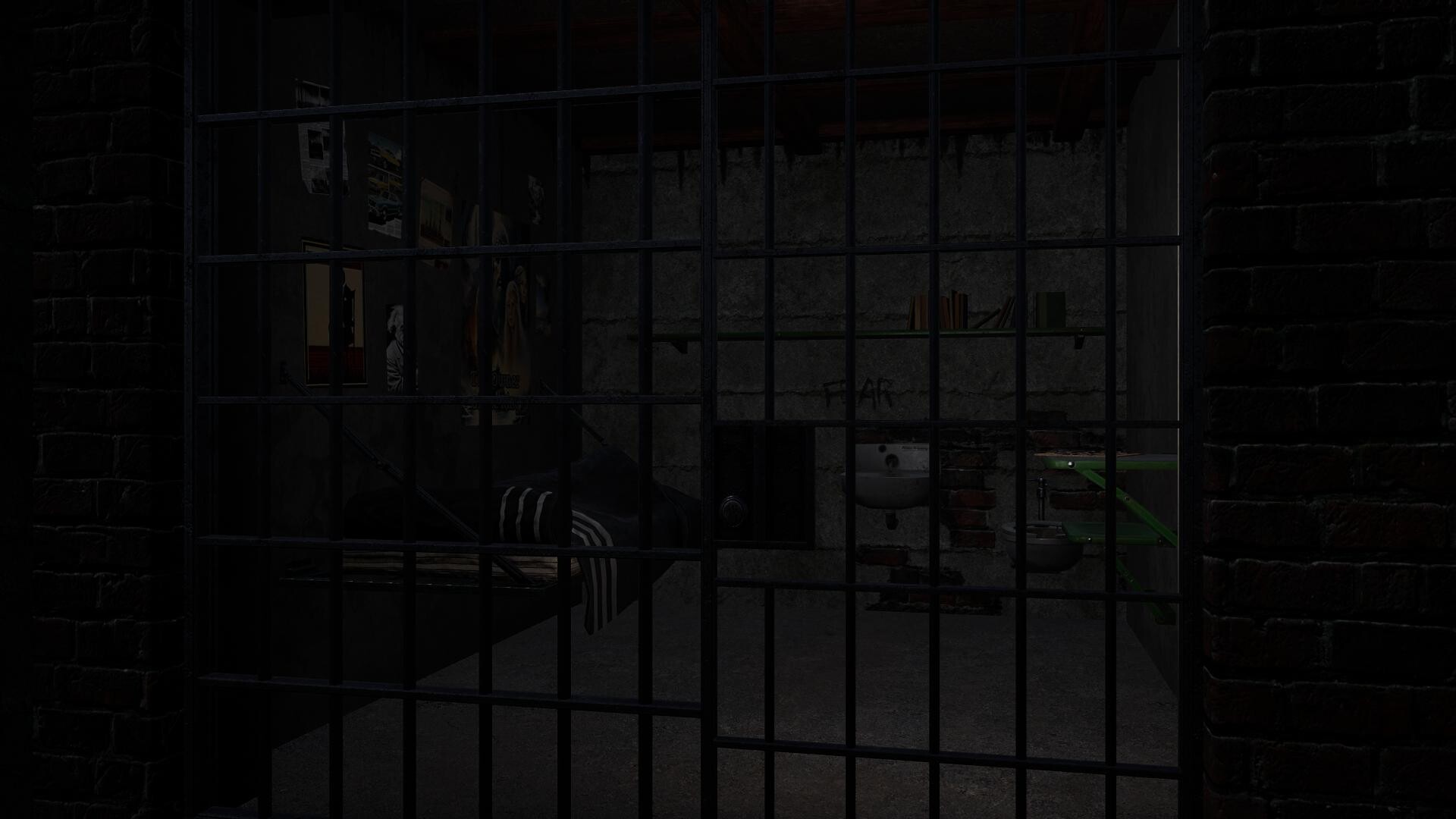
Trace of the Villa is an action-adventure indie that stages a detective-like investigation inside a deliberately forgotten estate. Official copy describes rooms frozen mid-routine, locked doors hiding hastily secured secrets, and a consistent absence of identifying material — photographs and names scrubbed away as if identities were removed. Jin restores power to the estate and, with each system returned, hidden compartments and secured systems reveal fragments: encrypted documents, suspicious transfer records, falsified identities. The narrative emerges by following those threads rather than through exposition dumps.

When and where
Trace of the Villa released on Steam on 28 May, 2026. It publishes and develops under Steadyturtle Co., Ltd., and is presented on the Steam store with the Action / Adventure / Indie tags and the single‑player accessibility categories listed above.
Why the theme matters — identity, erasure, and narrative curiosity
The core mystery here is not just “what happened” but “who was erased and why.” That gives players a different kind of curiosity to follow: instead of chasing jump scares or scripted set pieces, you chase traces — manifests, transfer records, falsified identities. The personal stake (a missing sister, Jin’s long search) reframes standard exploration loops into emotional excavation. For players who value slow-burn suspense and narrative puzzle design, the payoff is in seeing patterns emerge from small, corroborating clues rather than explicit reveals.
How you uncover meaning — systems and pacing
According to the official description, progress in Trace of the Villa leans on restoring estate systems and solving contained puzzles. Restoring power brings secured systems back online; safes and hidden compartments yield fragments that must be cross-checked with manifests and transfer records. Progression therefore alternates between physical exploration (rooms, locked doors, personal effects) and documental puzzles (encrypted files, suspicious transfers). That design encourages backtracking with new information: a recovered document reframes earlier rooms, making the mansion itself act as a slowly revealing archive.
Player scenarios — specific tastes that should wishlist
- Investigator players: You like reading documents, cross-referencing manifests, and forming timelines from small clues. The emotional goal (finding Jin’s sister) gives the investigation weight.
- Atmosphere-first explorers: If you prefer mood and pacing over constant action, the mansion’s erased identities and suspended domestic scenes will reward careful observation.
- Puzzle-story hybrids: Players who enjoy puzzles that unlock narrative fragments — restoring systems, cracking safes, decrypting files — will find the progression meaningful rather than arbitrary.
- Players needing accommodations: With Subtitle Options, Color Alternatives, Custom Volume Controls, and “Playable without Timed Input,” the Steam listing signals attention to accessibility preferences.
How it compares (brief editorial context)
Below is a focused editorial comparison to similar story-first mystery and exploration titles, using lawful criteria: atmosphere, puzzle focus, exploration style, story tone, and pacing.
| Game | Tone & Pacing | Puzzle / Exploration Focus | Player fit |
|---|---|---|---|
| Trace of the Villa | Slow-burn, intimate mansion mystery with personal stakes (Jin searching for his sister). | Clue-driven: restore systems, unlock compartments, decrypt documents; environmental storytelling. | Players who want narrative investigation and emotional payoff from piecing details together. |
| Inscryption | Dark, layered, and metafictional; tense and atmospheric. | Card-based puzzles blended with escape-room mechanics and secrets inscribed on play objects. | Players who like genre-blending mystery with game-mechanical secrets and tonal risk. |
| Outer Wilds | Curiosity-driven with a contemplative, open exploration loop and emergent discoverable mysteries. | Exploration-first puzzles across a solar-system scale, discovery by observation and experimentation. | Players who prefer open-ended, systemic mysteries and patient world-learning. |
| The Forgotten City | Narrative-driven, time-loop moral mystery with tight narrative puzzles. | Puzzle and dialogue choices shape outcomes; story is the puzzle mechanic. | Players who like ethical dilemmas and narrative mechanics that directly affect story outcomes. |
| The Medium | Psychological horror with dual-reality exploration and a reflective mood. | Environmental puzzles bridging two planes; secrets tied to trauma and memory. | Players who expect psychological themes and a mix of exploration and atmospheric tension. |
YouTube discovery
Looking for trailers or gameplay? Use this YouTube search link to find videos related to Trace of the Villa: Search Trace of the Villa on YouTube. (This is a discovery search link; specific videos should be verified individually for official status.)
Quick decision guide
- Wishlist if: you want a story-first, clue-driven mansion mystery with an emotional throughline and careful pacing.
- Wait or skip if: you prefer open-world exploration, fast-paced action, or explicit narrative exposition rather than inference-based storytelling.
- Accessibility note: the Steam page lists Subtitle Options, Color Alternatives, Custom Volume Controls, and Playable without Timed Input.
Disclaimer: Referenced
Leave a Reply