
Trace of the Villa — Where locked-room logic meets systems and safes
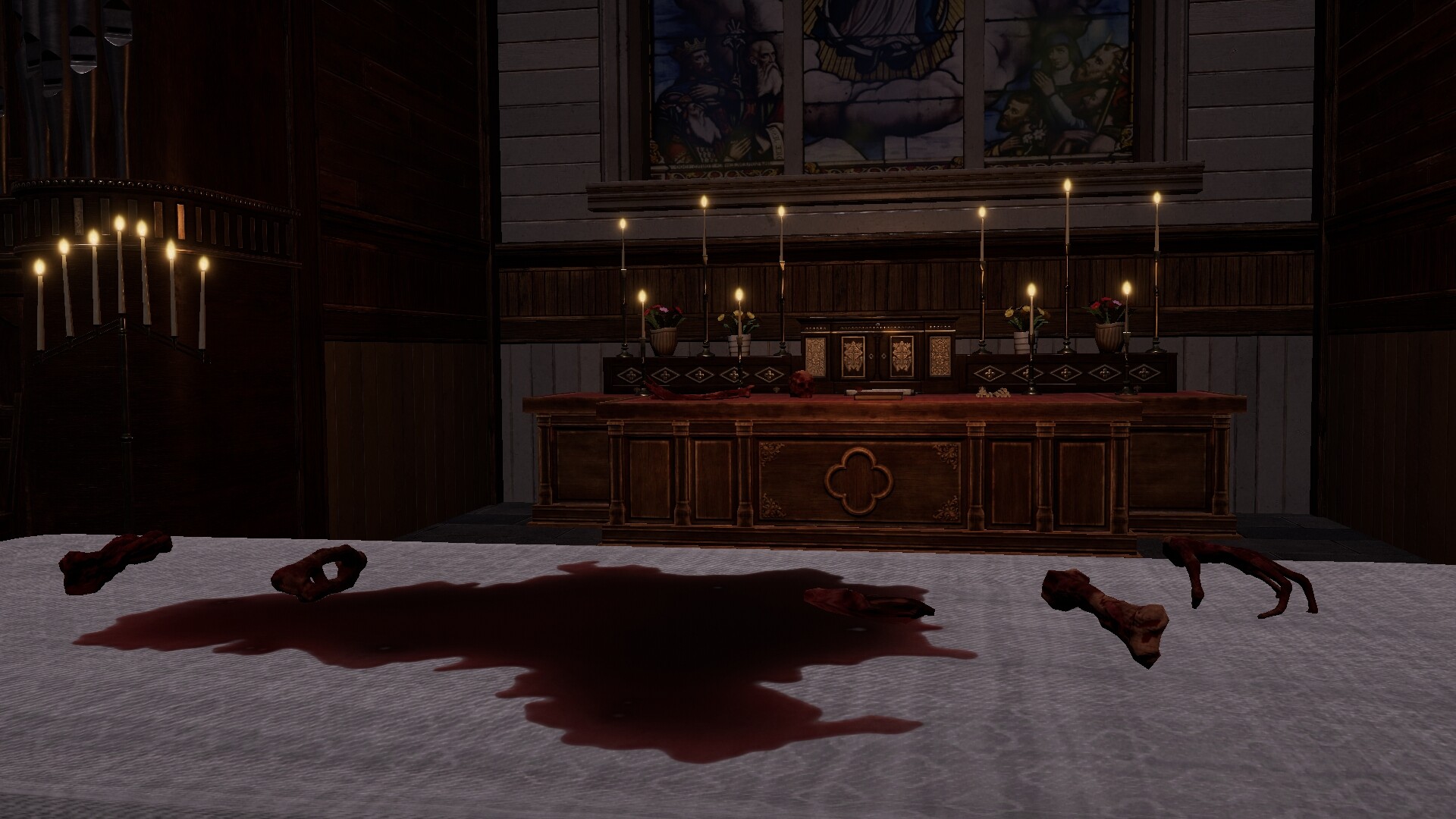
Trace of the Villa is an atmospheric mystery adventure about Jin, who follows cold manifests and decaying clues through a remote mansion to learn whether his missing sister might still be alive. The Steam release (28 May, 2026) from Steadyturtle Co., Ltd. leans on environmental storytelling, powered systems, and layered clue-chains — a slow-burn, clue-driven exploration built around restoring power, unlocked safes, and fragments of encrypted documents.

Quick facts
| Title | Trace of the Villa |
|---|---|
| Developer / Publisher | Steadyturtle Co., Ltd. |
| Release date | 28 May, 2026 |
| Steam AppID | 3483660 |
| Official short description | Jin has spent years searching for his missing sister, pursuing leads that took him to a remote, decaying mansion where he recovered manifests and hints that indicate his sister may still be alive, somewhere at the end of the trail he is about to follow. |
| Genres | Action, Adventure, Indie |
| Notable Steam categories | Single-player; Playable without Timed Input; Subtitle Options; Color Alternatives; Custom Volume Controls; Family Sharing |
What the game is — premise and mechanics you can expect
Trace of the Villa positions you as Jin, an investigator following fragmented leads through a deliberately forgotten estate. The official description focuses on restored infrastructure as a mechanic: when power is returned, “secured systems come back online,” “hidden compartments unlock,” and “safes yield fragments of encrypted documents and suspicious transfer records.” Puzzles therefore rely on chained interactions — get one system running, and it reveals the next clue or tool needed to access another sealed area.
This is environmental reading and systems-based puzzling rather than reflex-heavy setpieces. Locked doors, sealed safes, and documents are the narrative beats: each unlocked element produces another link in the trail that gradually exposes a broader operation involving falsified identities and financial trails.
When and where — Steam / PC context
Trace of the Villa launched on Steam on 28 May, 2026. It is presented as a PC Steam release by Steadyturtle Co., Ltd. and carries single-player and accessibility categories that signal accommodation for players who prefer non-timed puzzle approaches and subtitle options.
Who this is for — player profiles
This title is aimed at players who enjoy slow-burn suspense and careful investigation rather than fast-action combat. Typical fits include:
- Locked-room puzzlers: players who persistently parse interiors, examine furniture, and connect small details into a larger pattern.
- Systems-first explorers: players who enjoy restoring power, flipping switches, and watching interconnected devices react to reveal new opportunities.
- Document and safe hunters: players who like decoding fragments, reconstructing transfer records, and following forensic financial trails as much as literal keys and locks.
- Atmospheric story-led players: those who prefer narrative tension built from place and implication — rendered through rooms that feel “erased” rather than simply abandoned.
How you progress — reading the environment and chaining clues
Progression in Trace of the Villa, per the official description, depends on environmental and systemic interactions. Practical steps implied by the premise:
- Recover physical manifests and initial hints found around the mansion.
- Restore local power or systems; doing so brings secured systems back online and can trigger mechanical or electronic access points.
- Open hidden compartments and safes that yield encrypted documents and transaction fragments.
- Piece together falsified identities and financial trails to map movements and possible locations tied to Jin’s search.
That chain — manifest → power/system restoration → compartment/safe → document/record — is the primary gameplay loop suggested by Steam’s official text. It rewards careful observation and willingness to follow paper trails as much as solving physical locks.

Comparison: how it sits among escape-room and mystery titles
Below is an editorial comparison on lawful criteria — genre, atmosphere, puzzle focus, exploration style, story tone, and pacing — to help decide if Trace of the Villa matches your tastes.
| Title | Genre / Feel | Puzzle focus | Exploration style | Story tone / Pacing | Player fit |
|---|---|---|---|---|---|
| Trace of the Villa | Action / Adventure / Indie — atmospheric mystery | Systems, safes, documents; chained clue progression tied to restoring power and unlocking compartments | Single-player, methodical interior exploration; environmental storytelling | Slow-burn, investigative; reveals via recovered records and restored systems | Players who like clue-chains, reading documents, and puzzle-linked systems |
| The Room | Adventure / Indie — tactile, contained mystery | Mechanical puzzles centered on a single, ornate safe-device | Focused, single-room-to-room progression with detailed object interaction | Compact, puzzle-first; mystery revealed through object dissection | Players who enjoy tactile puzzle boxes and tight, object-based mystery |
| The Room Two | Adventure / Indie — broader cryptic environments | Mechanical and observational puzzles with a narrative thread | Wider set of contained spaces than the first game; still object-centric | Expands the scope but keeps puzzle-box pacing | Players who want richer environments while keeping the same puzzle DNA |
| Escape Simulator | Adventure / Casual / Indie — interactive escape-room toolkit | Highly interactive object puzzles, physics, and room-scale puzzles; community rooms | Room-by-room with high interactivity; supports solo or co-op | Variable pacing depending on room design; often playful or experimental | Players who want sandboxy interaction, co-op options, or custom rooms |
| Hi-Fi RUSH | Action — rhythm-driven combat (included for contrast) | Combat and rhythm mechanics rather than environmental puzzles | Linear action stages, music-synced encounters | Fast-paced, high-energy | Players who prioritize action and rhythm over investigative exploration |
Player scenarios — decide if this suits your sessions
Evening of slow investigation
If you enjoy sitting with clues, cross-referencing transfer records, and letting suspicion build as you restore a mansion’s systems, Trace of the Villa is aligned with that rhythm. Expect methodical progress and narrative payoff through documents and unlocked systems.
Quick puzzle bursts
This is less likely to suit players who want short, modular puzzles with instant resolution. The official description implies longer clue chains and layered unlocks rather than one-off puzzle boxes.
Co-op or social sessions
The Steam listing shows single-player as the listed category. Players who prefer co-op escape-room sessions may find better social options in titles like Escape Simulator, which explicitly supports multi-player modes.
YouTube / trailer discovery
If you want to see footage before you decide, use this YouTube search path for official trailers or gameplay videos (search results may include gameplay captures and trailers; a specific official video is not verified here):
Where to wishlist or buy on Steam
If the premise — restoring power to reveal hidden systems and following encrypted document trails — sounds like your kind of mystery, view the Steam store page and wishlist the game:
Leave a Reply