
Trace of the Villa and the Power of Quiet Dread
Trace of the Villa places you in the shoes of Jin, a searcher tracking a missing sister to a remote, decaying mansion where signs of past occupancy are disturbingly intact. The game leans on environmental dread—silence, emptied rooms and withheld identities—to turn slow, methodical exploration into a steady psychological pressure.

Quick facts
| Title | Trace of the Villa |
|---|---|
| Release date | 28 May, 2026 |
| Developer / Publisher | Steadyturtle Co., Ltd. |
| Genres | Action, Adventure, Indie |
| Categories | Single-player; Color Alternatives; Custom Volume Controls; Playable without Timed Input; Subtitle Options; Family Sharing |
| Steam AppID | 3483660 |
Who should wishlist Trace of the Villa?
If you prefer narrative puzzle design over jump-scare spectacle, Trace of the Villa suits you. Players who favor clue-driven exploration, environmental storytelling, and slow-burn suspense—those who read a room for meaning rather than waiting for an ambush—will get the most from Jin’s investigation. The Steam categories (single-player, subtitle options, custom volume controls, playable without timed input) signal accessibility for players who want to control pacing and immersion.
What the game is
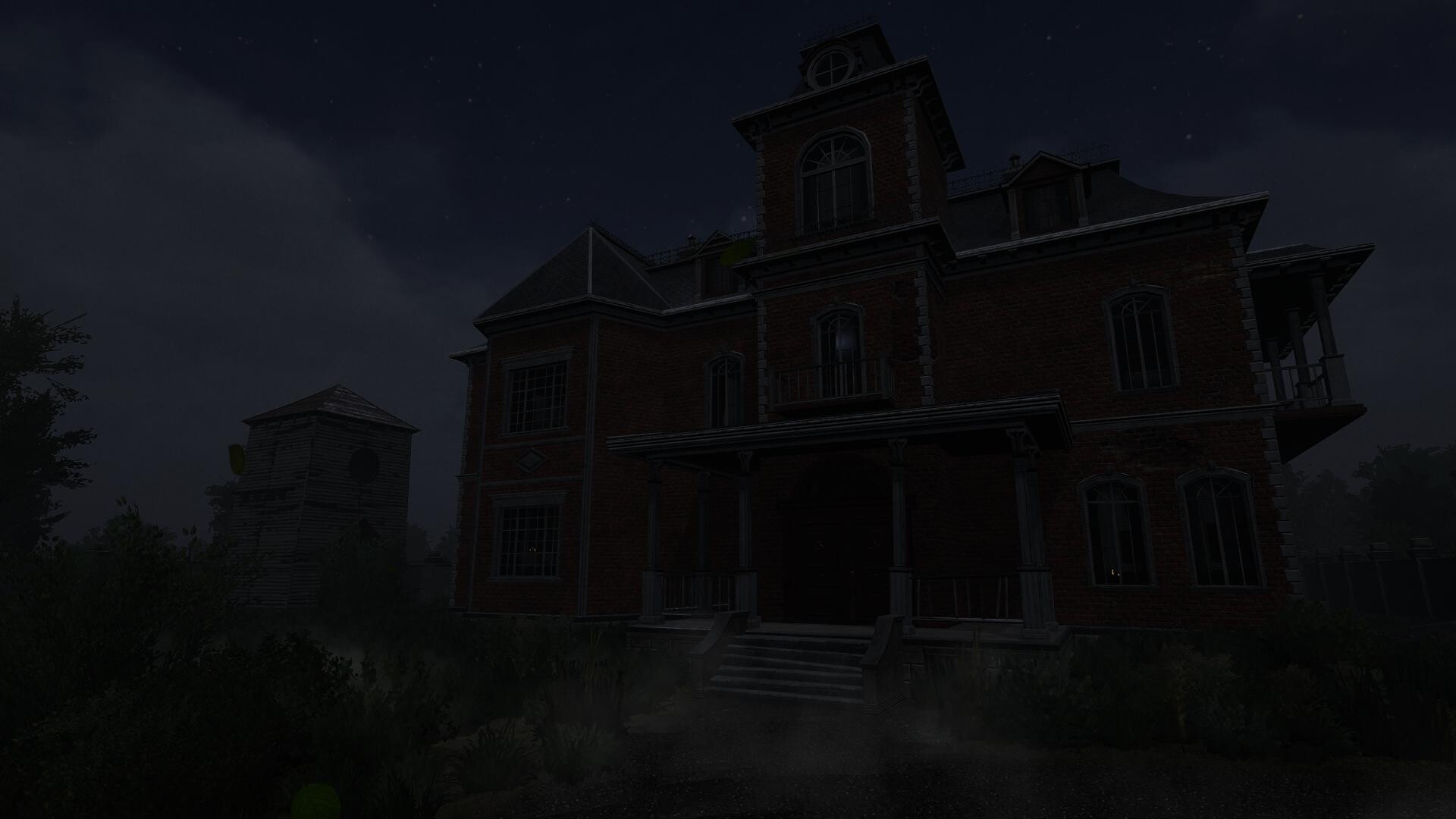
Trace of the Villa is an atmospheric mystery adventure in which Jin follows leads to a deliberately forgotten mansion. The estate feels less abandoned than erased: furnished rooms with missing names and photographs, locked doors and personal effects left as if people stepped away mid-routine. When Jin restores power to the property, secured systems come back online, hidden compartments unlock, and safes yield fragments of encrypted documents and suspicious transfer records—puzzle results that push the narrative forward and reveal a pattern of arrivals without records and departures without witnesses.
When and where to find it
Trace of the Villa launched on Steam on 28 May, 2026. It’s listed as an Action / Adventure / Indie title on the Steam store and is distributed by Steadyturtle Co., Ltd.
Why environmental dread and uncertainty matter more than shock claims
Shock is ephemeral; silence lingers. Trace of the Villa trades immediate frights for a sustained unease generated by spatial storytelling. Rooms that appear lived-in but are anonymous, locked systems that yield only fragments, and the sensation of a timeline erased—these design choices turn curiosity into tension. When the game returns small, partial revelations (encrypted documents, transfer records, hushed systems), the player stitches together a slow, cognitive dread that sticks longer than a single loud moment.
How progression and clue-reading work
Progress in Trace of the Villa is procedural and investigative rather than reflex-first. Jin restores power to the mansion to reactivate systems; as power returns, new nodes of information — hidden compartments, safes, and encrypted fragments — become available and must be interpreted. Solving one puzzle tends to unlock another layer of records or systems, revealing financial trails, falsified identities, and a carefully concealed operation. The loop is exploration → discovery → piecing fragments together, with environmental design doing much of the narrative heavy lifting.

Player scenarios — who will enjoy it and when to play
- Evening solo session: If you like quiet, uninterrupted investigation sessions where the house itself tells the story, play with headphones and minimal distractions.
- Puzzle-first players: Those who enjoy reading documents, linking evidence and deducing timelines will appreciate the steady reveal of encrypted fragments and transfer records.
- Accessibility-minded players: The game’s Steam categories list subtitle options, custom volume controls and “playable without timed input,” useful for players who need to manage pacing or sensory load.
How Trace of the Villa compares to nearby psychological / exploration titles
Below is a compact editorial comparison on core design axes—atmosphere, puzzle focus, exploration style, and pacing—so you can decide which style of mystery suits your tastes.
| Game | Core focus | Atmosphere / Tone | Puzzle & Exploration | Pacing / Player fit |
|---|---|---|---|---|
| Trace of the Villa | Clue-driven mansion mystery | Environmental dread, silence, erased identities | Document fragments, systems restoration, locked compartments | Slow-burn; for players who prefer reading rooms to reflexes |
| Amnesia: The Dark Descent | Immersive survival horror | Relentlessly oppressive and personal terror | Physics and sanity-driven survival puzzles | High tension; for players seeking dread tied to vulnerability |
| SOMA | Sci‑fi existential horror | Foreboding, claustrophobic, philosophical | Exploration and narrative puzzles; fewer combat encounters | Paced narrative with heavy thematic questions |
| Layers of Fear (2016) | Psychological mansion exploration | Unstable, surreal, art-obsessed madness | Environment shifts that recontextualize puzzles | Psychological and atmospheric; for players who like reality-bending reveals |
| Poppy Playtime | Horror-puzzle adventure in an abandoned factory | Tense, toy-based menace | Puzzle tools (e.g., GrabPack), environmental hazards | More action-adjacent; for players who want tactile puzzle tools and set-pieces |
These comparisons are editorial—focused on tone, puzzle emphasis, exploration style and player fit, not official endorsements.
YouTube discovery
Looking for trailers or gameplay videos? Search results for Trace of the Villa on YouTube can be reached here: Trace of the Villa — YouTube search. This link is provided as a discovery path; it does not verify any single video as official.
View Trace of the Villa on Steam
Referenced titles and trademarks belong to their respective owners. The comparisons above are editorial discovery only, not claims of endorsement.
Leave a Reply