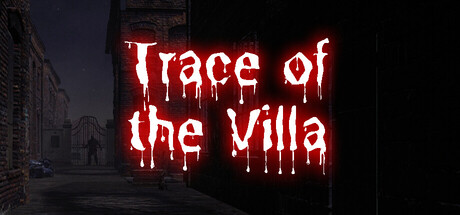
Trace of the Villa: why quiet dread and uncertainty matter more than cheap shocks
Trace of the Villa leans into slow-burn psychological tension: a protagonist named Jin follows cold leads to a remote, decaying mansion where manifests and hints suggest his missing sister may still be alive. Rather than trading in jump scares, the game builds horror from absence, erasure, and the uneasy logic of rooms that look lived-in but whose occupants have been deliberately anonymized.

Who, what, when, where, why, and how
Who is this for?
Players who prefer atmospheric mystery adventure and psychological investigation over fast-paced horror. If you enjoy environmental storytelling, clue-driven exploration, and the slow accumulation of unsettling facts, Trace of the Villa looks designed for you. The Steam page lists it in the Action / Adventure / Indie space and marks it as single-player, with accessibility options like subtitle support and custom volume controls.
What is the game?
Trace of the Villa is a story-focused mansion mystery in which Jin, searching for his missing sister, follows a lead to a property “cut off from the grid and deliberately forgotten.” The official short description and store text make the goals clear: recover manifests and hints, restore systems, and piece together a timeline from documents and locked-away evidence. The house feels “less abandoned than erased,” which is the core of its psychological tension.
When and where is it available?
Trace of the Villa launched on Steam on 28 May, 2026. Developer and publisher are both Steadyturtle Co., Ltd. The Steam store entry (app ID 3483660) is the primary place to wishlist or buy it for PC players.
Why the theme matters
Quiet dread works because absence creates questions the player must answer. Rooms frozen mid-routine, missing names or photographs, and falsified records shift the fear from immediate physical danger to the disquiet of not knowing what happened — or why identities were removed. That uncertainty forces the player into investigative mode, which is more cognitively engaging and longer-lasting than a succession of one-off shocks.
How you progress
The Steam description explicitly describes restoring power to the estate and watching secured systems come back online: hidden compartments unlock, safes yield fragments of encrypted documents, and suspicious transfer records reveal a larger operation. Progress is driven by finding and interpreting manifests, solving environmental puzzles that open new routes or access sealed evidence, and reconstructing a timeline from the traces left behind.
Compact facts: Trace of the Villa
| Title | Trace of the Villa |
|---|---|
| Release date | 28 May, 2026 |
| Developer / Publisher | Steadyturtle Co., Ltd. |
| Genres | Action, Adventure, Indie |
| Notable categories | Single-player; Color Alternatives; Custom Volume Controls; Playable without Timed Input; Subtitle Options; Family Sharing |
| Steam store | View Trace of the Villa on Steam |
What the mansion does differently
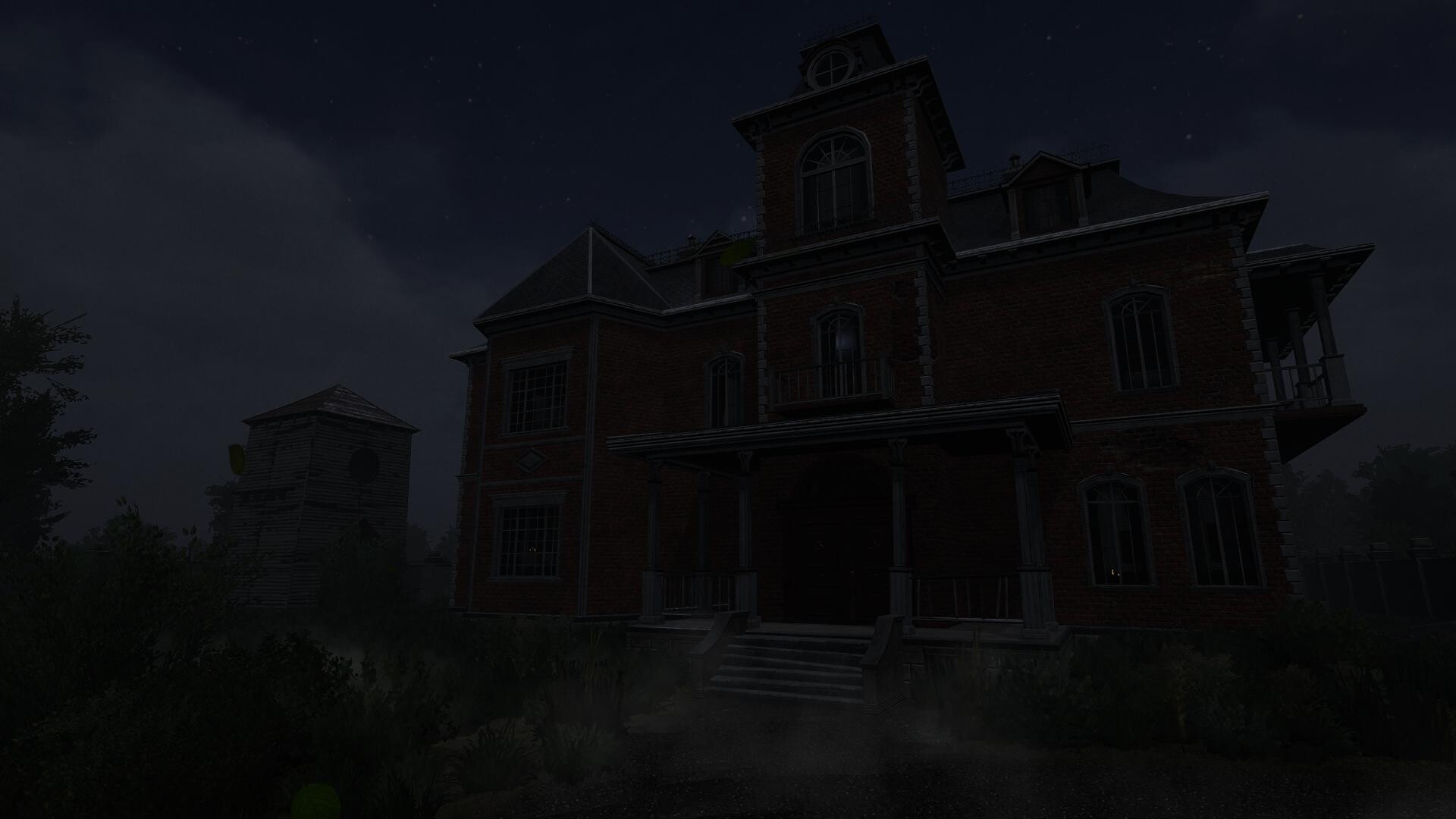
Many horror games tilt toward external threats or enemies; Trace of the Villa treats the mansion itself as the antagonist. The official description repeatedly emphasizes erased identities, falsified records, and the logistics of a controlled property — a note that the horror comes from systems and secrecy rather than monsters. That shapes puzzle design (finding documents, restoring systems, unlocking safes) and forces a patient, meticulous playstyle.

Player scenarios — who should wishlist it (and who shouldn’t)
- Wishlist if: you like methodical exploration, environmental storytelling, and puzzle sequences that reveal narrative fragments rather than instant answers.
- Wishlist if: you appreciate slow-burn tension and the idea that an empty space can be as unnerving as an enemy encounter.
- Think twice if: you want nonstop action or multiplayer engagement — the game is single-player and emphasizes narrative puzzle design and investigation.
- Think twice if: your main draw is jump-scare horror; Trace of the Villa trades in ambiguity and erased histories more than visceral shocks.
How it compares (quick editorial table)
Below is a focused comparison to help decide fit, based on genre, tone, puzzle/exploration focus, and pacing.
| Title | Release | Tone / Atmosphere | Puzzle / Exploration focus | Pacing |
|---|---|---|---|---|
| Trace of the Villa | 28 May, 2026 | Decaying mansion, erased identities, investigative dread | Clue-driven: manifests, restored systems, locked safes | Slow-burn, methodical |
| Amnesia: The Dark Descent | 8 Sep, 2010 | Immersive, immediate survival horror |
YouTube discoveryFor trailer and gameplay discovery, use YouTube search rather than relying on unverified embeds: Find Trace of the Villa trailer and gameplay searches on YouTube. Reader decision checklistUse this checklist before deciding whether Trace of the Villa belongs on your Steam wishlist. The game is most relevant if you enjoy reading environmental evidence, following document trails, inspecting rooms for small inconsistencies, and letting a mystery unfold through objects rather than exposition. It is less about instant spectacle and more about the slow pressure of a place that seems to have been deliberately erased. SEO note for discovery-minded playersPlayers searching for atmospheric mystery adventure, clue-driven exploration, mansion mystery game, story-rich indie adventure, psychological investigation game, or narrative puzzle design are likely looking for the same core appeal: a PC game where the setting is not just a backdrop but the main source of evidence. Trace of the Villa fits that search intent because its official Steam premise centers on Jin, his missing sister, a remote mansion, restored systems, hidden compartments, safes, encrypted documents, and a trail of suspicious records. Final player-fit summaryWishlist Trace of the Villa if you want a slow investigation built around official Steam store elements: a 28 May, 2026 release from Steadyturtle Co., Ltd., a single-player PC/Steam mystery structure, official screenshots showing the mansion atmosphere, and a premise that uses the house itself as a puzzle box. The strongest fit is for players who prefer patience, observation, and narrative reconstruction over fast combat or loud horror beats. CommentsMore posts |
Leave a Reply