Trace of the Villa — a slow-burn, clue-driven mansion mystery
Trace of the Villa is a story-rich, puzzle-oriented PC adventure that trades combat beats for layered clue-reading and environmental logic. Released on 28 May, 2026 and developed and published by Steadyturtle Co., Ltd., it centers on Jin’s search through a decaying, off-grid mansion where recovered manifests and encrypted fragments suggest his missing sister may still be alive.

Who this is for
If you prefer puzzle design that rewards careful reading over fast reflexes, Trace of the Villa is aimed at you. The game suits players who enjoy environmental storytelling, methodical evidence-gathering, and narrative puzzle design where each solved lock or restored system reveals more of the plot. Fans of slow-burn suspense and atmospheric mystery adventure on PC are the primary audience; those looking for action-heavy pacing should be aware the emphasis here is on clues and story puzzles rather than combat.
What the game is
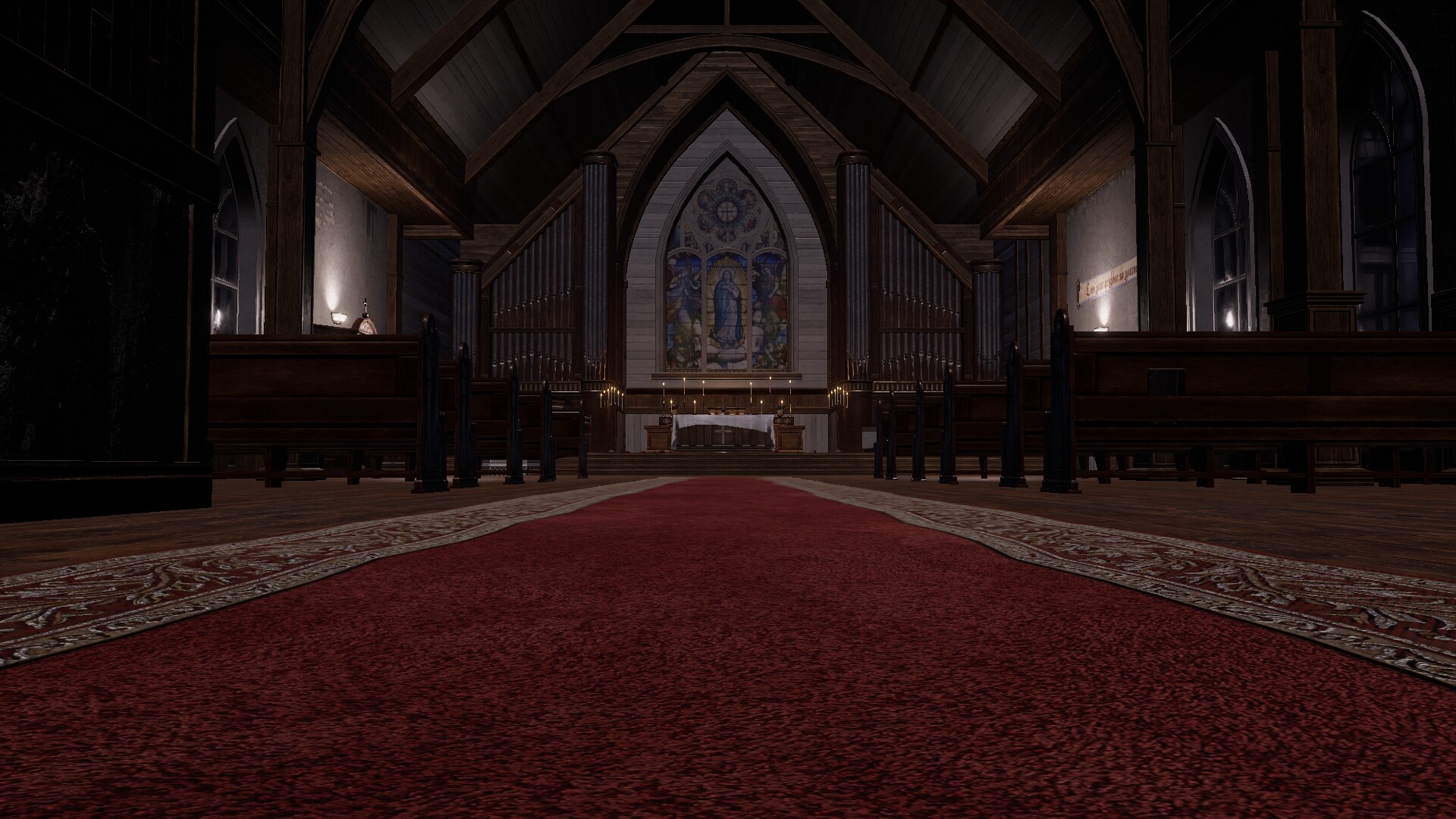
Trace of the Villa casts you as Jin, a protagonist who arrives at a remote, deliberately forgotten mansion following a lead about his missing sister. Inside, rooms appear frozen mid-routine: personal belongings present, but names and photographs removed. As Jin restores power and reactivates secured systems, hidden compartments, safes, and encrypted documents begin to expose a carefully concealed operation — falsified identities, suspicious transfers, and a timeline of arrivals and departures that lack official records. The game is categorized on Steam as Action, Adventure, Indie and listed with Single-player and accessibility-friendly categories such as Color Alternatives, Custom Volume Controls, Playable without Timed Input, and Subtitle Options.

When and where
Trace of the Villa released on 28 May, 2026 and is available on Steam for PC. It is developed and published by Steadyturtle Co., Ltd., and appears under the Steam genres Action, Adventure, and Indie.
Why the theme matters
The game’s conceit — a residence that feels “erased” rather than simply abandoned — turns everyday objects into narrative signposts. Removing names and photographs means players can’t rely on explicit exposition; they must infer identity and motive from manifests, transfer records, safes, and the configuration of rooms. That design choice shifts narrative burden onto environmental evidence and puzzle outcomes, creating a psychological investigation where the act of solving is also the act of assembling meaning.
How clue reading, object logic, and story puzzles shape the experience
- Clue reading: Progress depends on triangulating disparate documents and system outputs. Manifests and encrypted fragments are presented as pieces of a timeline — you read, cross-reference, and reinterpret as new evidence appears.
- Object logic: Items and room layouts are puzzles themselves. Rather than arbitrary key hunts, object interactions suggest plausible real-world uses and constraints, so solutions feel earned through observation and deduction.
- Story puzzles: Puzzles are narrative beats. Unlocking a safe or restoring a terminal doesn’t just open a path; it reveals context that reframes earlier discoveries, encouraging backtracking with purpose rather than repetition for its own sake.
Compact facts: Trace of the Villa
| Title | Trace of the Villa |
|---|---|
| Release date | 28 May, 2026 |
| Developer | Steadyturtle Co., Ltd. |
| Publisher | Steadyturtle Co., Ltd. |
| Genres | Action, Adventure, Indie |
| Steam categories | Single-player; Color Alternatives; Custom Volume Controls; Playable without Timed Input; Subtitle Options; Family Sharing |
| Steam appid / Store | 3483660 — available on Steam |
Who should wishlist it — specific player scenarios
- Serious puzzle readers: You enjoy piecing together timelines from scattered documents and prefer puzzles that change how you understand a scene.
- Fans of atmospheric mystery adventure: If slow-burn suspense and environmental storytelling are priorities, the mansion’s curated silence and staged interiors will appeal.
- Accessibility-conscious players: The game lists features like Subtitle Options, Custom Volume Controls, Color Alternatives, and Playable without Timed Input, which suit those who need or prefer adjustable play conditions.
- Players wanting fast action: If you expect action-heavy pacing, this title leans toward clue-driven investigation rather than combat-focused encounters.
How it compares to other puzzle/adventure touchstones
Below is a compact editorial comparison focusing on puzzle focus, atmosphere, exploration style, and player fit.
| Title | Core puzzle focus | Atmosphere / tone | Exploration / pacing | Player fit |
|---|---|---|---|---|
| The Room | Mechanical puzzle boxes and tactile object puzzles | Mysterious, tactile, claustrophobic | Focused, vignette-style rooms; deliberate pacing | Players who prefer hands-on object puzzles and tight, single-room mysteries |
| The Room Two | Expanded mechanical puzzles with interconnected environments | Broader, eerie, still puzzle-focused | More varied locales but similar deliberate pacing | Those who liked the first but want wider-scale puzzle environments |
| Unpacking | Domestic, tactile placement and inference from objects | Quiet, intimate, reflective | Low-pressure, non-linear; slow and soothing | Players drawn to narrative revealed through belongings and quiet routines |
| Escape Simulator | Interactive escape-room style puzzles; physics and object manipulation | Playful to tense depending on room | Room-to-room bursts of puzzle activity; can be faster-paced | Players who like active object interaction and cooperative or solo escape challenges |
YouTube discovery
For trailers or gameplay searches, try this YouTube discovery link (search results may include official or community videos): Search Trace of the Villa trailers and gameplay on YouTube.
Disclaimer: Referenced titles and trademarks belong to their respective owners. Comparisons are editorial discovery only and do not imply endorsement or sponsorship.
Leave a Reply