
Trace of the Villa — an inspection-heavy, mansion mystery built on object logic
Trace of the Villa tasks you with piecing a fractured story from physical traces: manifests, locked safes, and systems that only reveal their secrets once power and patience are restored. It’s a slow-burn investigation that leans on environmental puzzles, chained clues, and close reading of objects rather than twitch or combat skill.

Quick facts
| Title | Trace of the Villa |
|---|---|
| Release date | 28 May, 2026 |
| Developer / Publisher | Steadyturtle Co., Ltd. |
| Genres | Action, Adventure, Indie |
| Key Steam categories | Single-player; Color Alternatives; Custom Volume Controls; Playable without Timed Input; Subtitle Options; Family Sharing |
| Short premise | “Jin has spent years searching for his missing sister… a remote, decaying mansion where he recovered manifests and hints that indicate his sister may still be alive, somewhere at the end of the trail he is about to follow.” (official short description) |
| Steam | View Trace of the Villa on Steam |
What the game is (and what it isn’t)
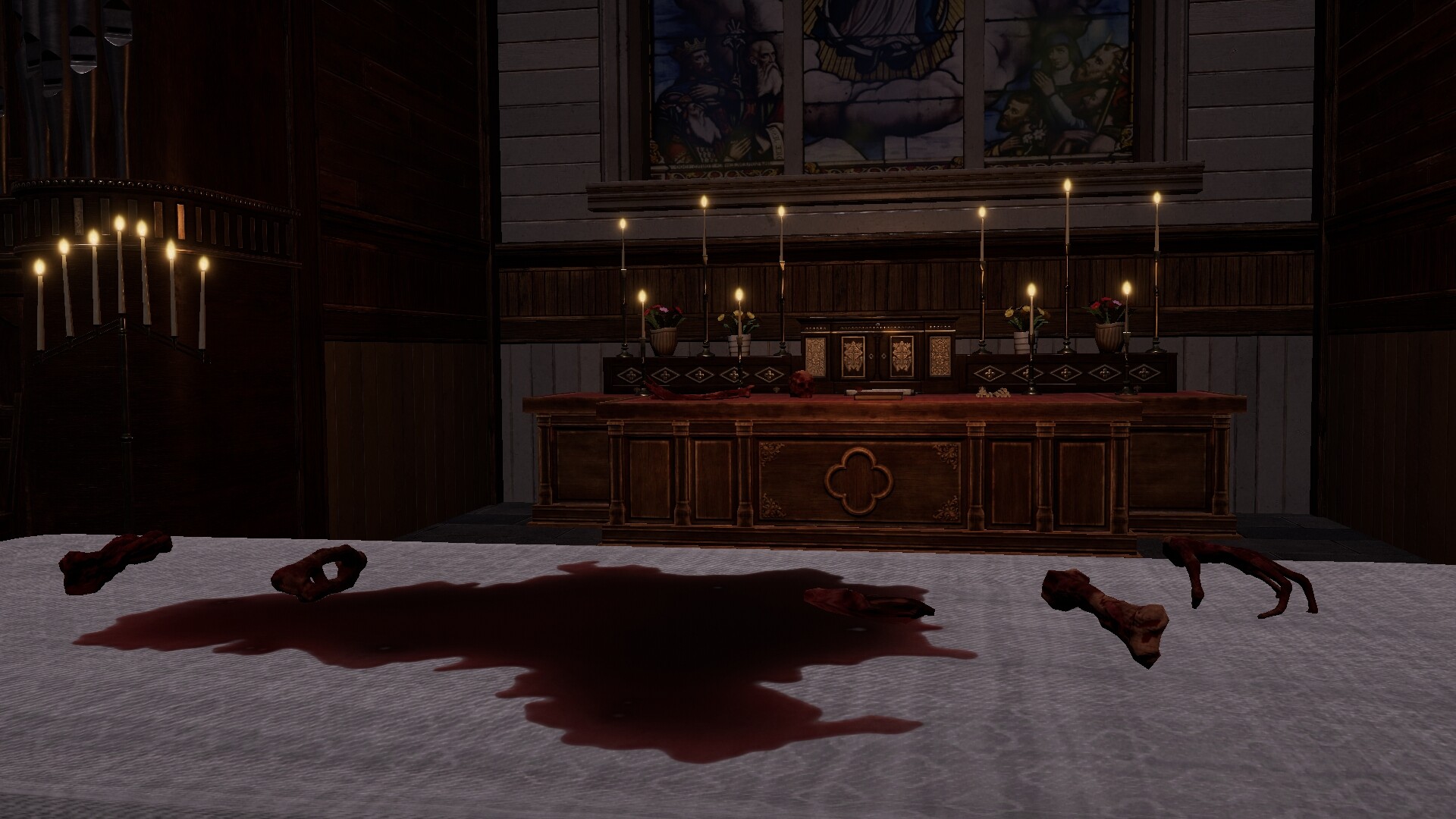
Trace of the Villa frames itself as an investigative, story-rich adventure set in a deliberately forgotten mansion. According to the official description, the house “feels less abandoned than erased”: rooms frozen mid-routine, locked doors protecting hastily secured secrets, and personal items left disturbingly intact. Much of the progression comes from restoring power to the estate and letting secured systems, safes and hidden compartments reveal fragments of encrypted documents and suspicious transfer records.
Who this suits — reader’s guide to taste and patience
- Players who prefer object logic over real-time pressure: the Steam categories include “Playable without Timed Input,” which matches the game’s emphasis on careful inspection and puzzle chaining.
- Fans of environmental storytelling: if you enjoy reconstructing events from scattered props, manifests, and placement of belongings, this is the core of the design.
- Slow-burn mystery players who want clues to accumulate into a pattern — financial trails, falsified identities, and the sense of an organized operation rather than a single supernatural shock.
- Not primarily for players seeking fast-paced action or competitive multiplayer; Steam lists Trace of the Villa as single-player with accessibility options like subtitle support and custom volume controls.
How you read the environment — inspection-heavy systems explained
The official description lays out the core loop: restore estate systems, inspect revealed contents, then use those fragments to unlock the next layer. That means progression is less about a single master puzzle and more about chains of micro-evidence — manifests, transfer records, encrypted fragments and concealed compartments. Object logic matters: items and documents are designed to be read together, and solving one locked element often depends on interpreting previously uncovered traces.

Comparison: how Trace of the Villa sits next to other puzzle/mystery experiences
| Title | Primary focus | Puzzle style | Atmosphere / Tone | Player fit |
|---|---|---|---|---|
| The Room | Mystery box puzzles in a contained location | Inspection of a single, elaborately locked object (cast-iron safe), tactile puzzle boxes | Intimate, claustrophobic, mechanical mystery | Players who like focused, object-centric puzzles |
| The Room Two | Expanded object puzzles across multiple linked spaces | Sequential puzzle chambers with an emphasis on discovery | Slow, atmospheric exploration with cryptic narrative hints | Those who enjoyed The Room and want more environmental progression |
| Escape Simulator | Highly interactive escape-room gameplay, solo or co-op | Inventory interaction, movable props, physics-led puzzles, community rooms | Playful, toy-like, varied depending on rooms | Players who want tactile experiments and user-made content |
| Hi‑Fi RUSH | Action game with rhythm-synced combat and exploration | Action and timing, not puzzle-focused | High-energy, stylized, musical | Players more interested in action and rhythm than environmental inspection |
Specific player scenarios — should you wishlist it?
- If you enjoy spending ten to twenty minutes methodically reading a room — inventorying documents, cross-referencing names and numbers, and then returning later when a revealed device lets you access a safe — wishlist it.
- If your preference is co-op escape rooms or physics toys you can rearrange and break, Trace of the Villa’s single-player, narrative-anchored inspection will feel more meditative than playful.
- If you like mysteries grounded in believable bureaucracy (manifests, transfer records, falsified identities) and want puzzles that reward pattern recognition, this aligns well with that taste.
Where to find trailers and gameplay
The Steam page includes the official store images and descriptions; for video trailers and gameplay clips search YouTube using the following discovery link (this is a
YouTube discovery
For trailer and gameplay discovery, use YouTube search rather than relying on unverified embeds: Find Trace of the Villa trailer and gameplay searches on YouTube.
Leave a Reply