
Trace of the Villa — a slow-burn, clue-driven mansion mystery about one man’s search
Trace of the Villa places you in Jin’s shoes: a man who’s spent years chasing a single missing-person lead and has finally followed it to a remote, decaying mansion that keeps secrets in powerless rooms and locked safes. The game promises environmental storytelling and puzzle-led investigation, where manifests and encrypted fragments suggest Jin’s sister might still be alive at the end of the trail.

Quick facts
| Title | Trace of the Villa |
|---|---|
| Release date | 28 May, 2026 |
| Developer / Publisher | Steadyturtle Co., Ltd. |
| Steam AppID | 3483660 |
| Genres | Action, Adventure, Indie |
| Categories (Steam) | Single-player; Color Alternatives; Custom Volume Controls; Playable without Timed Input; Subtitle Options; Family Sharing |
| Premise (official) | Jin has spent years searching for his missing sister, pursuing leads that took him to a remote, decaying mansion where he recovered manifests and hints that indicate his sister may still be alive, somewhere at the end of the trail he is about to follow. |
Who is this for?
If you prioritize character-driven motivation and missing-person stakes over broad spectacle, Trace of the Villa looks aimed at players who want their investigation to feel personal. Bring this to your wishlist if you like methodical exploration, atmosphere-first design, and a story that unfolds as you restore systems, open safes, and follow financial or identity clues. The presence of categories like “Playable without Timed Input” and subtitle options also signals accessibility for patient, reading-heavy playstyles.
What the game is (structure and tone)
Official messaging frames Trace of the Villa as an atmospheric, story-rich adventure built around environmental storytelling and detective-style puzzle work. You arrive at a property “cut off from the grid,” where rooms look as if occupants vanished mid-routine and records have been erased. Gameplay, according to the description, emphasizes restoring power, unlocking hidden compartments, and extracting fragments of encrypted documents and transfer records—each solved puzzle peels back another layer of a concealed operation. That setup suggests a slow-burn narrative structure where curiosity about who the occupants were and what happened drives progression.
When and where you can play
Trace of the Villa launched on Steam on 28 May, 2026. It appears on the Steam storefront with single-player support and standard accessibility categories (color alternatives, subtitles, custom volume controls). You can view the Steam page here: Trace of the Villa on Steam.
Why the premise matters (character motivation and missing-person stakes)
What elevates a mansion mystery is not only the uncanny set dressing but the protagonist’s reason for being there. Jin’s years-long search for his sister turns a generic exploration into something with emotional weight: each clue is not an abstract collectible but a potential lead toward a loved one. The official description underlines erased identities and falsified transfer records—elements that align the narrative with human-scale stakes (family, identity, disappearance) rather than purely metaphysical hauntings. That focus matters for players who want moral and emotional context to their detective work.
How you solve it (progression, clues, and player agency)
Steam’s official text describes a gameplay loop centered on restoration and evidence extraction: restore power, bring locked systems back online, open safes, and decode or piece together manifests and encrypted fragments. Progression appears clue-driven—solve one puzzle to gain access to the next layer of records or a hidden compartment—so exploration is investigative rather than open-ended. Categories like “Playable without Timed Input” suggest a measured pace where careful reading and backtracking reward patient players.

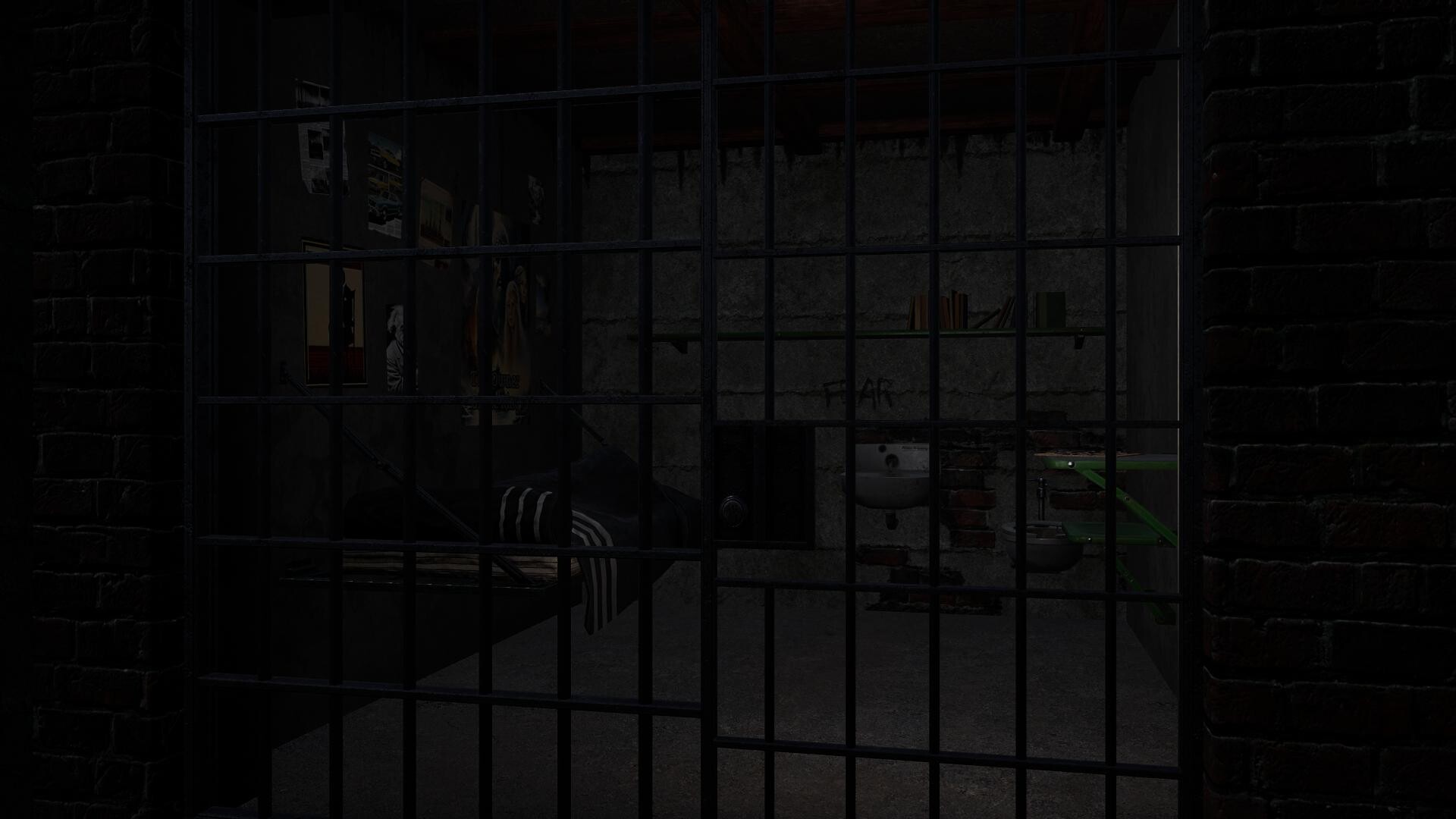
Player scenarios — who will enjoy this most
- Slow-burn investigators: You want a patient mystery where each discovered document or manifest reframes the story. The missing-person core makes the stakes personal rather than abstract.
- Environmental-storytelling fans: You prefer reading the world—furnished rooms, missing photographs, and staged daily objects—to explicit exposition.
- Puzzle explorers who dislike reflex checks: With “Playable without Timed Input” and subtitle options, the game leans toward contemplative puzzles and safe pacing.
- Players seeking an emotional throughline: Jin’s motivation is explicit in official copy; if you want a protagonist whose choices and history matter, this is relevant.
How Trace of the Villa compares (quick editorial table)
| Title | Shared traits with Trace of the Villa | Where it differs (tone, pacing, player focus) |
|---|---|---|
| Inscryption | Strong emphasis on layered secrets, atmospheric tension, and discovery-driven twists. | Inscryption uses meta and card-based mechanics with a denser shock-horror cadence; Trace of the Villa appears more grounded in investigative environmental puzzles. |
| Outer Wilds | Mystery-first design where piecing together timeline and evidence is core to enjoyment. | Outer Wilds is open-world and curiosity-driven with exploration across a solar system; Trace of the Villa is contained to a mansion and leans into forensic-style document work. |
| Journey | Atmosphere and quiet storytelling that rewards attention to place and tone. | Journey is minimalist and poetic with multiplayer elements; Trace of the Villa centers on narrative puzzles and a specific missing-person motive. |
| The Forgotten City | Strong narrative mystery with player choice affecting how the story unfolds; both prize clever writing and investigation. | The Forgotten City builds on moral-choice time-loop mechanics; Trace of the Villa focuses on unlocking physical archives and piecing identities together. |
| The Medium | Psychological atmosphere and investigative tone, with an emphasis on uncovering dark secrets. | The Medium uses dual-reality mechanics and supernatural medium abilities; Trace of the Villa, per official text, foregrounds practical restoration and document-based clues. |
Decision guide — should you wishlist it?
Wishlist Trace of the Villa if you want a PC mystery that prioritizes character motivation (Jin’s hunt for his sister), slow-burn suspense, and puzzle progression tied to forensic discovery. If you prefer fast pacing, action-focused combat, or gameplay centered on emergent open-world traversal, this title—described as an atmospheric, document-and-environment-driven investigation—may not match those expectations.
YouTube discovery
Looking for trailers or gameplay videos? Use this search path to find available trailers and player impressions (search results may include official trailers and community uploads): YouTube search: Trace of the Villa trailer gameplay.
Leave a Reply