
Trace of the Villa — an inspection-heavy mansion mystery for methodical puzzle players
Trace of the Villa is a story-forward, atmospheric mystery adventure about a lone investigator uncovering a house that looks deliberately erased. The game centers on clue-driven exploration, object logic, and environmental puzzles as you restore systems and follow financial and identity traces through a decaying mansion.

What Trace of the Villa is
Trace of the Villa (developed and published by Steadyturtle Co., Ltd.) is presented on Steam as an Action / Adventure / Indie title with single-player support and accessibility options such as color alternatives, custom volume controls, subtitle options and “playable without timed input.” The official short description frames the narrative: “Jin has spent years searching for his missing sister, pursuing leads that took him to a remote, decaying mansion…” That premise drives a game built around restoring power, opening locked systems, and extracting fragments of encrypted documents and manifests to reconstruct events.
Who this is for
- Players who favour slow-burn suspense and close inspection over fast reflex gameplay — those who appreciate environmental storytelling and clue chains.
- Puzzle fans who enjoy object logic: combining found items, reading the arrangement of a room, and treating the environment itself as a primary clue source.
- Solo explorers who prefer narrative puzzle design where every unlocked safe or restored circuit yields a new layer of information.
When and where
Trace of the Villa released on Steam on 28 May, 2026. It is listed on Steam as a PC/Steam release under appid 3483660; the Steam Store page is the canonical place to view platform details and purchase.
Why the theme matters
The central conceit — a house that looks “less abandoned than erased” and people who passed through under strict control — pushes the game toward inspection-heavy mechanics rather than combat or timed trials. When a game asks you to read dust patterns, open safes, and reconstruct falsified identities, it prioritizes environmental reading and clue-chain thinking: you must treat space, routine objects, and restored systems as evidence rather than just scenery.
How the game asks you to play
On its Steam page and official description, Trace of the Villa emphasizes mechanics and beats that support inspection-heavy play:
- Restoring power to the estate triggers systems that reveal new puzzles and hidden compartments.
- Safes and secured systems yield fragments of encrypted documents and suspicious transfer records — in other words, puzzle rewards are often narrative breadcrumbs you must interpret.
- Rooms are staged “as if occupants vanished mid-routine” — object placement is meaningful and designed for environmental reading rather than random decoration.
These specifics point to locked-room thinking: puzzles that feel coherent within their physical context, where the correct solution emerges from understanding how the world is arranged and how objects logically interact.
Quick facts
| Title | Trace of the Villa |
|---|---|
| Steam appid | 3483660 |
| Release date | 28 May, 2026 |
| Developer | Steadyturtle Co., Ltd. |
| Publisher | Steadyturtle Co., Ltd. |
| Genres | Action, Adventure, Indie |
| Notable categories | Single-player; Color Alternatives; Custom Volume Controls; Playable without Timed Input; Subtitle Options; Family Sharing |
| Premise (official) | Jin searches a remote, decaying mansion and recovers manifests and hints suggesting his missing sister may still be alive. |
Gameplay visuals

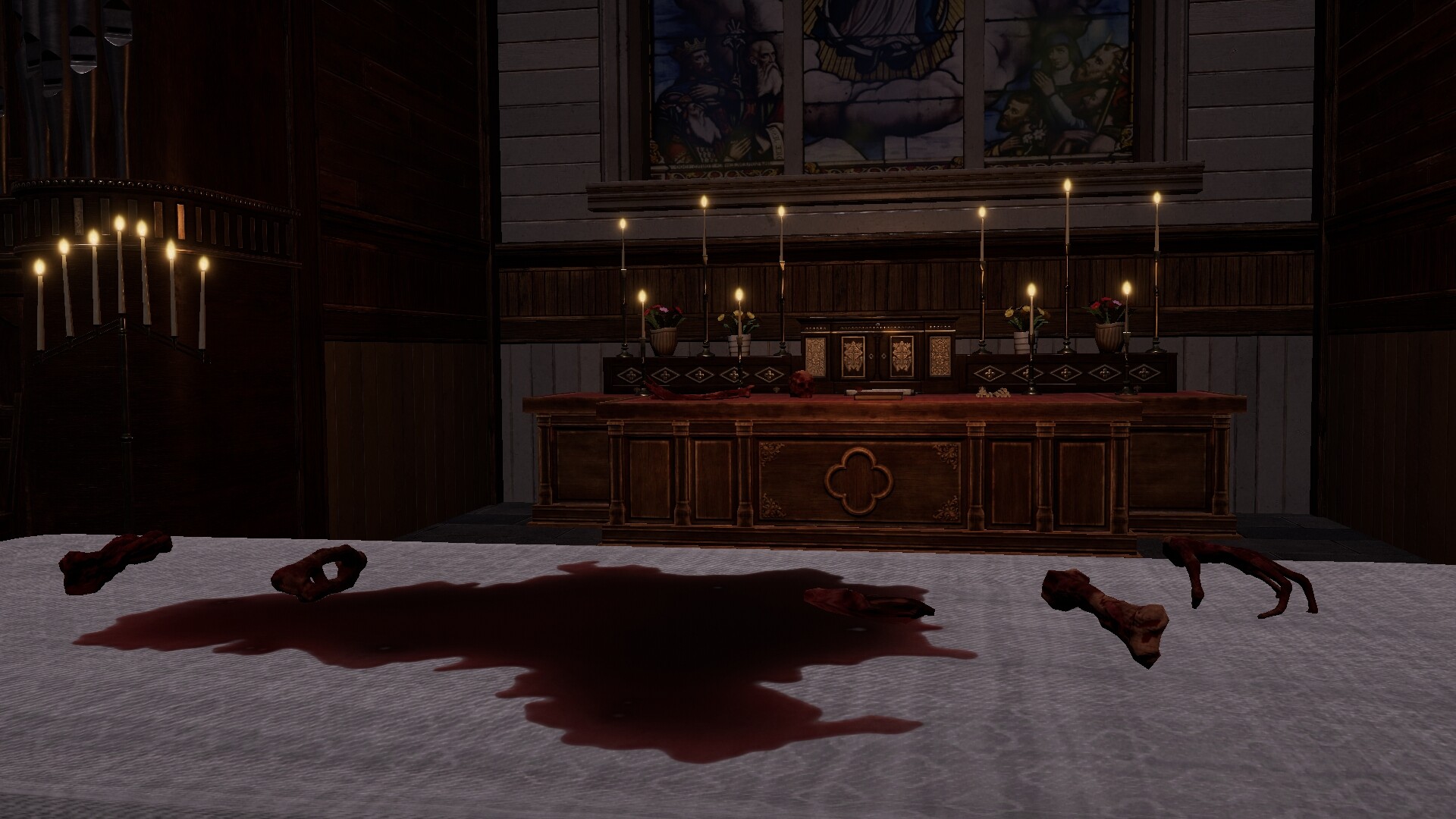
Who should wishlist it (player scenarios)
- If you enjoy methodical puzzle pacing and reconstructing events from small clues — wishlist it. The game’s design favors patient observation and connecting evidence into narrative chains.
- If you prefer interactive object physics, co-op or editor-driven rooms, you may find titles like Escape Simulator better suited (see comparison table below).
- If you want a compact, single-player psychological investigation where every unlocked item reveals another piece of the timeline, Trace of the Villa is positioned for that audience.
How it compares — at a glance
| Title | Puzzle focus | Atmosphere | Exploration style | Pacing / player fit |
|---|---|---|---|---|
| Trace of the Villa | Object logic, environmental puzzles, clue chains revealed by restoring systems and opening safes | Slow-burn, decaying mansion; psychological investigation | Single-player, inspection-heavy; rooms staged as evidence | Methodical players who like narrative breadcrumbs and locked-room thinking |
| The Room | Mechanical safes and layered puzzle boxes — focused, specimen puzzles | Mysterious, tactile, intimate | Single-player, tightly constrained rooms/puzzles | Players who enjoy handcrafted puzzle objects and tactile solutions |
| Escape Simulator | Highly interactive objects, physics, and many community-made rooms | Varies by room — from playful to tense | Solo or co-op; sandboxy interaction and level editor | Players who want interactivity, co-op, and user-created content |
Comparison notes
The Room series focuses tightly on puzzle-box logic inside a confined space, whereas Trace of the Villa appears to marry that kind of object logic with broader environmental storytelling and a narrative about erased identities. Escape Simulator leans more toward physics-driven interactivity and user-made content, including co-op options — a different play pattern from the single-player, inspection-oriented flow Trace of the Villa promotes.
Where to look for trailers and gameplay
Search YouTube for “Trace of the Villa trailer gameplay” to locate trailers and video impressions; use this search path: YouTube search for Trace of the Villa trailer/gameplay. The store page is the best source for official visuals and system requirements.
View Trace of the Villa on Steam
Disclaimer: Referenced titles and trademarks are the property of their respective owners. Comparisons above are editorial observations for discovery purposes only.
Leave a Reply