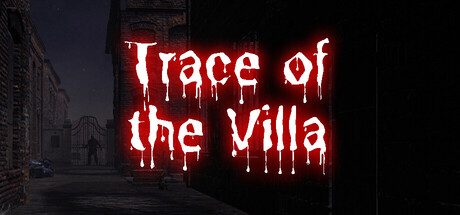
Quiet Tension Over Loud Claims: Why Trace of the Villa Chooses Slow-Burn Suspense
Trace of the Villa is a story-first, atmosphere-led mystery that trusts silence and uncertainty to do the heavy lifting. Its slow, clue-driven pacing—centered on Jin’s search through a decaying mansion—offers a different kind of psychological tension than jump-focused horror.

Who this is for
If you prefer slow-burn suspense to scream-driven scares, this is for you. Players who like atmospheric mystery adventure, environmental storytelling, and puzzle-led exploration—rather than constant combat or timed twitch reactions—will find the game’s tone aligns with that taste. The Steam listing also highlights accessibility and comfort options (Single-player, Color Alternatives, Custom Volume Controls, Playable without Timed Input, Subtitle Options), which supports a more contemplative playstyle.
What the game is
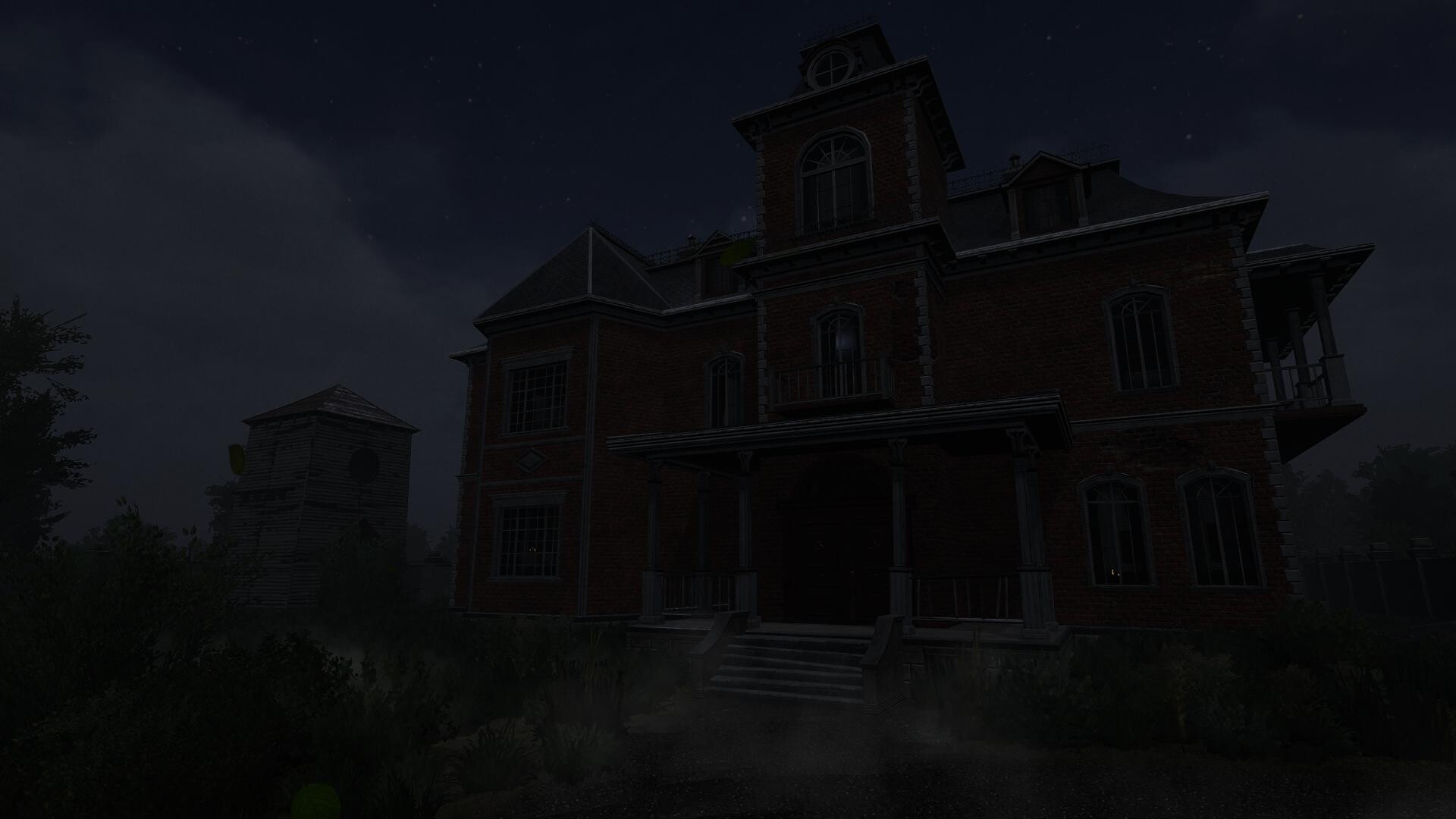
Trace of the Villa (developer/publisher: Steadyturtle Co., Ltd.) casts you as Jin, who has spent years searching for his missing sister. The official short description on Steam sets the premise: Jin’s leads brought him to a remote, decaying mansion where manifests and hints suggest his sister may still be alive. The game sits in Action / Adventure / Indie genres on Steam, but its core presentation is investigative and narrative—rooms that feel “less abandoned than erased,” locked doors, encrypted documents, and staged domestic details that raise questions rather than answer them.
When and where
Trace of the Villa released on Steam on 28 May, 2026 and is listed with the developer and publisher Steadyturtle Co., Ltd. It appears as a PC/Steam indie release aimed at single-player discovery and atmospheric play.
Why quiet tension and uncertainty matter here
Quiet tension forces attention. When a game strips away explanations—missing photographs, falsified identities, financial trails that lead nowhere—it hands unease to the player as an unpaid detective. Trace of the Villa deliberately frames many of its reveals as fragments: manifests, encrypted safes, secured systems that only begin to yield when you restore power. That scarcity of information stretches suspense across exploration and puzzle solving, producing dread that sticks because answers never arrive all at once.
How you play and progress
Progression is clue-driven rather than level-gated. Jin restores estate power, brings systems back online, unlocks hidden compartments, and decodes fragments of documents—each solved puzzle opens another thread. Expect environmental puzzles, inventory or evidence gathering, and narrative payoff that accumulates through small discoveries. The Steam page emphasizes features that favor thoughtful play (Playable without Timed Input, Subtitle Options), so the emphasis is on reading clues, experimenting with systems, and following the trail at your own pace.

Player scenarios — who should wishlist it
- Investigation-first players: you enjoy digging into logs, manifests, and small visual details to reconstruct events.
- Slow-burn atmospheric fans: you prefer dread that accumulates across hours rather than frequent jump scares.
- Accessibility-minded players: options like color alternatives, custom volume controls, and no mandatory timed inputs accommodate different play speeds.
- Story-first explorers: you’re drawn to narrative puzzle design and environmental storytelling over combat-heavy systems.
How Trace of the Villa sits beside similar titles
Below is a compact editorial comparison that focuses on tone, pacing, and player fit—useful if you’re deciding which thread of psychological horror suits your tastes.
| Title | Genre/Focus | Atmosphere & Tone | Puzzle vs Action | Exploration Style | Best for |
|---|---|---|---|---|---|
| Trace of the Villa | Action / Adventure / Indie — mystery-driven | Subdued, investigative, domestic-erasure | Puzzle-led, clue collection, systems reactivation | Slow, clue-driven mansion exploration | Players who want narrative puzzles and sustained dread |
| Amnesia: The Dark Descent | Action / Adventure / Indie — survival-horror | Oppressive, survival-focused dread | Less puzzle, more stealth/survival atmosphere | Claustrophobic encounters and hide-or-flee segments | Players who want immersion and high-tension survival |
| SOMA | Action / Adventure / Indie — sci-fi horror | Existential, philosophical, unsettling | Narrative puzzles with survival elements | Exploration across interconnected environments | Players who enjoy story-heavy, contemplative horror |
| Layers of Fear (2016) | Adventure / Indie — psychological horror | Surreal, painterly madness | Environmental puzzles and narrative cues | Shifting, chapter-based mansion exploration | Players who want story-driven sensory unease |
| Poppy Playtime | Action / Adventure / Indie — puzzle horror | Playful but tense, frequent set-piece scares | Puzzle mechanics framed by chase/encounter sequences | Factory-floor puzzles and scripted encounters | Players who like puzzle tools plus periodic scares |
Compact facts
| Title | Trace of the Villa |
|---|---|
| Developer / Publisher | Steadyturtle Co., Ltd. |
| Release date | 28 May, 2026 |
| Genres | Action, Adventure, Indie |
| Key Steam categories | Single-player; Color Alternatives; Custom Volume Controls; Playable without Timed Input; Subtitle Options; Family Sharing |
| Official short premise | Jin has spent years searching for his missing sister, pursuing leads that took him to a remote, decaying mansion where he recovered manifests and hints that indicate his sister may still be alive. |
Trailer & further discovery
If you want to see gameplay or trailers, search YouTube for Trace
Steam page
View Trace of the Villa on Steam
YouTube discovery
For trailer and gameplay discovery, use YouTube search rather than relying on unverified embeds: Find Trace of the Villa trailer and gameplay searches on YouTube.
Leave a Reply