
Trace of the Villa — How puzzles whisper the story without shouting spoilers
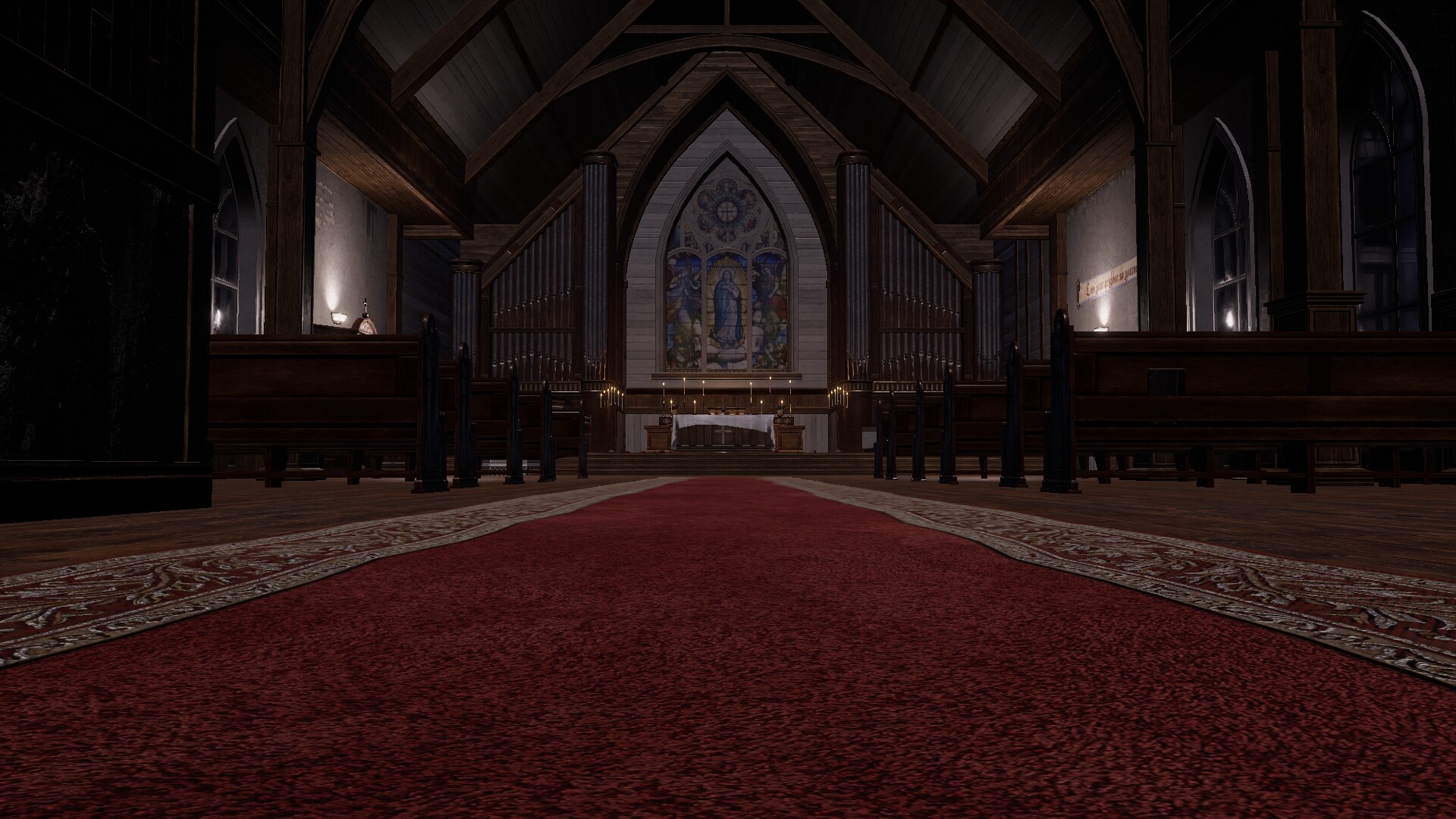
Trace of the Villa casts players as Jin, a man piecing together clues in a remote, decaying mansion to follow a trail that might lead to his missing sister. The game uses object logic, environmental fragments and layered story puzzles to reveal evidence gradually—enough to shape a theory without forcing a single explanation.

What Trace of the Villa is
Trace of the Villa is an atmospheric, clue-driven adventure developed and published by Steadyturtle Co., Ltd., released on Steam on 28 May, 2026. Its Steam listing frames play as investigation: Jin arrives at a deliberately forgotten estate, recovers manifests and hints, restores systems, and uncovers encrypted fragments that slowly sketch a disturbing operation behind the mansion’s erased histories.
Who should wishlist this on Steam
- Players who prefer environmental storytelling and slow-burn suspense over nonstop action.
- Fans of puzzle design that communicates through objects and documents—reading manifests, reactivating systems, and following financial or identity traces.
- Those who like first-person or investigative adventures where the scene itself is a primary narrator and inference is rewarded.
- People who appreciate accessibility options listed on the Steam page (Color Alternatives, Custom Volume Controls, Subtitle Options, Playable without Timed Input).
When and where: Steam / PC context
Trace of the Villa is available on Steam for PC and shipped on 28 May, 2026. The Steam page lists it under Action, Adventure, Indie and notes Single-player and a range of accessibility and UI categories (Color Alternatives, Custom Volume Controls, Playable without Timed Input, Subtitle Options, Family Sharing).
Why the theme matters
The mansion mystery premise—rooms that look lived-in but with identities removed—makes every ordinary object carry evidentiary weight. Rather than relying on cutscenes to explain motive, the game foregrounds the investigative labor: decrypting fragments, reading transfer records and manifests, restoring power so locked systems begin to speak. That framing turns puzzle progress into a form of interpretation: each solved safe or reactivated terminal is a piece of evidence, not just a key to the next corridor.
How puzzles reveal story without spoiling it
Trace of the Villa’s official description outlines the essential mechanic loop: restore systems, unlock compartments, recover documents, and follow financial and identity traces. That design accomplishes three editorial goals for mystery-focused players:
- Gradual revelation — evidence appears in fragments (encrypted documents, manifests, transfer records) so players form provisional hypotheses rather than being handed a finished plot.
- Object logic — puzzles operate on believable cause-and-effect. A powered terminal, a safe, or a sealed compartment offers plausible reasons for why an item is hidden and what it might mean, letting players read the scene like a dossier.
- Player agency in interpretation — because identities and records are tampered with, the game invites players to weigh contradictory fragments and assemble a timeline, keeping the ultimate picture uncertain until the player chooses to commit to a conclusion.
How reading clues works in practice (without spoilers)
You won’t solve the mystery by intuition alone: the mansion contains secured systems and encrypted fragments mentioned on the Steam page, and progression depends on recovering and interpreting those pieces. The gameplay loop emphasizes examination and cross-referencing—finding a manifest that points to an unlogged transfer, reactivating power so a terminal reveals a segment of a ledger, opening a safe to obtain a coded note—then using those fragments to unlock the next layer of the house’s secrets.

Compact facts — Trace of the Villa
| Title | Trace of the Villa |
|---|---|
| Steam AppID | 3483660 |
| Developer / Publisher | Steadyturtle Co., Ltd. |
| Release date | 28 May, 2026 |
| Genres | Action, Adventure, Indie |
| Noted categories | Single-player; Color Alternatives; Custom Volume Controls; Playable without Timed Input; Subtitle Options; Family Sharing |
| Short premise (official) | Jin searches a decaying mansion, recovers manifests and hints that indicate his sister may still be alive, somewhere at the end of the trail. |
How it compares to nearby puzzle-adventure experiences
Below is an editorial comparison to help you decide which style of investigative puzzler suits you. These comparisons focus on genre, atmosphere, puzzle focus, exploration and pacing.
| Title | Primary genres / release | Atmosphere & story tone | Puzzle focus | Exploration / pacing |
|---|---|---|---|---|
| Trace of the Villa | Action, Adventure, Indie (released 28 May, 2026) | Decaying mansion, erased identities; investigative and claustrophobic. | Document fragments, secured systems, safes and encrypted items that gradually reveal evidence. | Slow-burn, evidence-by-evidence progression; environmental reading and system restoration. |
| The Room | Adventure, Indie (released 28 Jul, 2014) | Mysterious invitation to a sealed space with a singular focus. | Mechanical puzzle boxes and single-room lock puzzles. | Contained, focused sequences with tactile puzzle inspection. |
| Escape Simulator | Adventure, Casual, Indie, Simulation (released 19 Oct, 2021) | Varied escape-room tones—often playful or community-driven. | Highly interactive object manipulation across crafted rooms; physics and item combination. | Room-by-room challenges with faster, often cooperative puzzle flow. |
| Unpacking | Casual, Indie, Simulation (released 1 Nov, 2021) | Zen, domestic, quiet narrative conveyed by objects. | Spatial organization and contextual inference from possessions rather than formal puzzles. | Relaxed, vignette-style pacing that privileges inference over obstruction. |
Player scenarios —
Steam page
View Trace of the Villa on Steam
YouTube discovery
For trailer and gameplay discovery, use YouTube search rather than relying on unverified embeds: Find Trace of the Villa trailer and gameplay searches on YouTube.
Leave a Reply