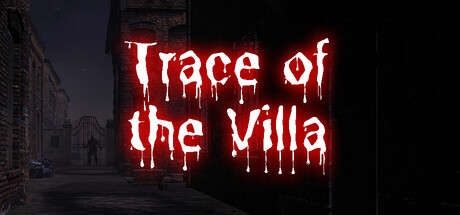
Trace of the Villa — who should wishlist this slow-burn mansion mystery?
Trace of the Villa drops you into Jin’s long hunt for a missing sister, leading him to a remote, deliberately forgotten mansion where manifests and hints suggest the trail isn’t cold. If you prize abandoned estates, forensic curiosity, environmental evidence and a patient, clue-driven investigation, this Steam indie may be aimed at your pace.

What Trace of the Villa is
Trace of the Villa (Steam appid 3483660) is an Action / Adventure / Indie title from Steadyturtle Co., Ltd., released on 28 May, 2026. According to the official Steam description, protagonist Jin follows leads to a decaying mansion cut off from the grid; restoring power and recovering manifests reveals encrypted documents, suspicious transfer records, and signs that the estate was used as more than a residence. The game’s Steam categories include Single-player, Color Alternatives, Custom Volume Controls, Playable without Timed Input, Subtitle Options, and Family Sharing — details that point to accessibility and a single-player, deliberate experience.
When and where
Trace of the Villa is available on Steam for PC — released 28 May, 2026 and developed and published by Steadyturtle Co., Ltd. The Steam store page is the primary place to wishlist and buy the game.
| Title | Trace of the Villa |
|---|---|
| Steam AppID | 3483660 |
| Release date | 28 May, 2026 |
| Developer / Publisher | Steadyturtle Co., Ltd. |
| Genres | Action, Adventure, Indie |
| Steam categories | Single-player; Color Alternatives; Custom Volume Controls; Playable without Timed Input; Subtitle Options; Family Sharing |
Why the abandoned-estate + forensic theme matters
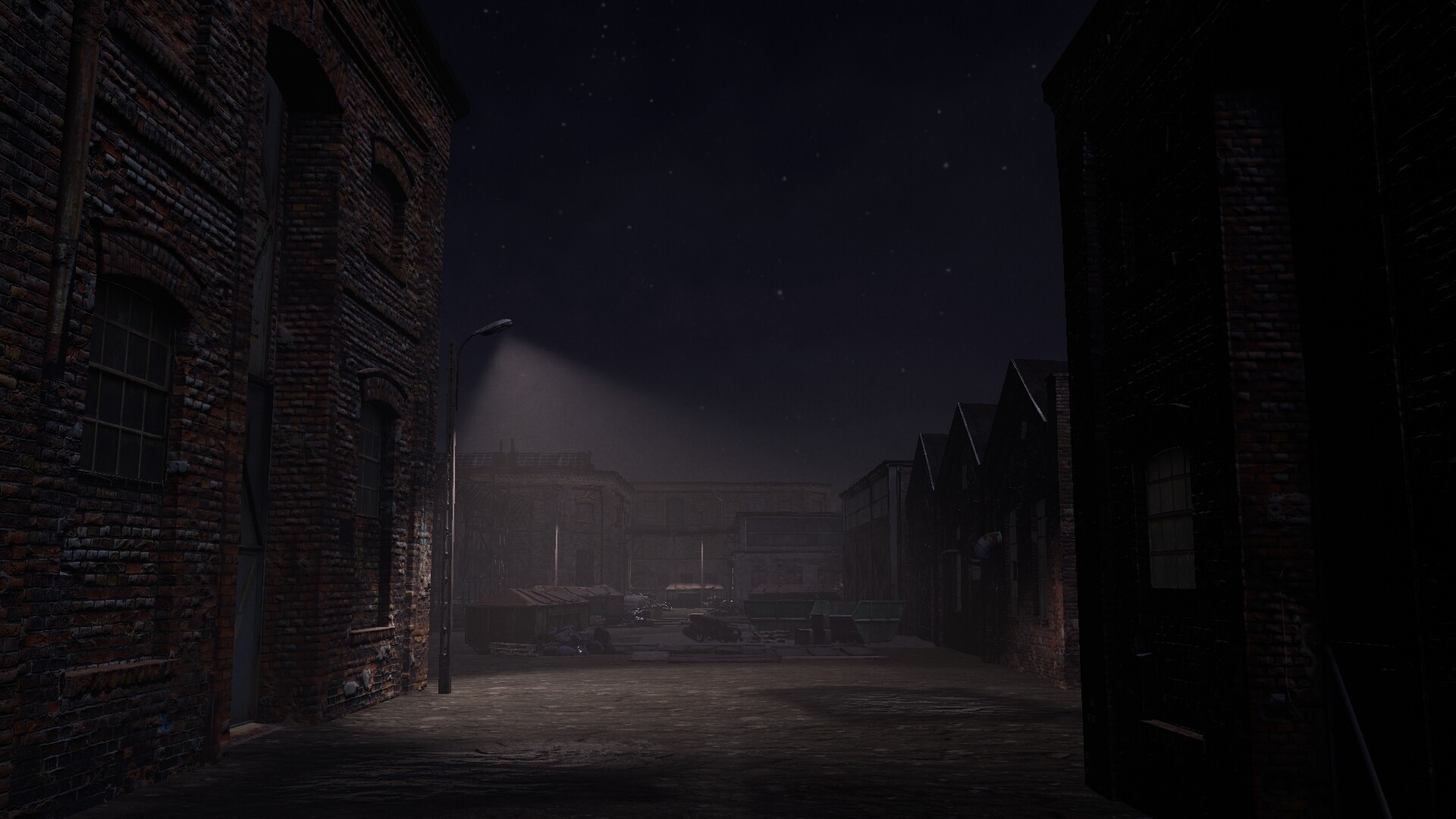
Trace of the Villa leans on the discomfort and narrative weight of an estate that looks lived-in but has been “erased”: rooms arranged mid-routine, personal items without names or photos, and secured systems that reveal fragments only when restored. That set-up rewards readers of environmental storytelling — players who treat a mansion’s dust, wiring and ledgers as primary evidence. If you enjoy piecing together motive from transfer records and encrypted fragments rather than outright jump scares, the game frames investigation as forensic curiosity: small recovered items add up to a larger, hidden pattern.

How you progress — reading clues and slow investigation
Progress in Trace of the Villa centers on methodical evidence gathering: restore power, bring systems back online, open secured compartments, and decode fragments that point to falsified identities and masked movements. The Steam description emphasises manifests, encrypted documents and suspicious transfer records as progression tools — not arcade reflexes. The inclusion of “Playable without Timed Input” in Steam categories aligns with a slower, puzzle-forward approach where observation, deduction and replaying evidence matter more than twitch skill.
Who should wishlist Trace of the Villa
- Players who prefer atmospheric mystery adventure games built on environmental storytelling and slow-burn suspense.
- Fans of abandoned-estate settings who like forensic curiosity — treating in-game objects, logs and power systems as primary clues.
- Those who favour clue-driven exploration over timed action, supported by Steam categories like Playable without Timed Input and Subtitle Options.
- PC players looking for a single-player indie with narrative puzzle design rather than a multiplayer or achievement-driven title.
Player scenarios — specific fits
Scenario A: You enjoyed a non-linear scavenger hunt through a decaying house and want narrative threads revealed gradually. Wishlist this.
Scenario B: You like puzzle boxes and safe-cracking gameplay driven by documents and logs rather than dexterity. This title’s focus on manifests and encrypted fragments suits you.
Scenario C: You prefer horror for atmosphere, not constant jumpscares; you want a suffocating quiet and slow reveal. This is a closer match than fast-paced survival horror.
How Trace of the Villa compares to nearby mystery/adventure titles
Below is a concise editorial comparison using lawful criteria: genre, atmosphere, puzzle focus, exploration style, story tone, and pacing. The intent is to help readers decide which title matches their tastes.
| Game | Genre / Release | Atmosphere & Puzzle Focus | Pacing / Who it’s for |
|---|---|---|---|
| Trace of the Villa | Action · Adventure · Indie — 28 May, 2026 | Decaying mansion, environmental evidence, manifest/encrypted-document puzzles. | Slow, clue-driven; players who enjoy forensic curiosity and methodical exploration. |
| Amnesia: The Dark Descent | Action · Adventure · Indie — 8 Sep, 2010 | First-person survival horror; immersion and dread are central rather than document analysis. | Faster psychological tension and survival mechanics; suited to players seeking sustained dread and immersion. |
| SOMA | Action · Adventure · Indie — 21 Sep, 2015 | First-person sci-fi horror with themes that question existence; atmosphere-led more than inventory puzzles. | Slow-burn narrative with philosophical beats; players who want story-driven tension in a confined setting. |
| Layers of Fear (2016) | Adventure · Indie — 15 Feb, 2016 | First-person psychological horror set in a shifting Victorian mansion; strong emphasis on atmosphere and storytelling. | Players who prioritise narrative atmosphere and an unstable environment over forensic document puzzles. |
| The Room | Adventure · Indie — 28 Jul, 2014 | Locked-room puzzle design with tactile mechanical puzzles and a focused attic-to-safe progression. | Ideal for players who prefer tight puzzle boxes and tactile problem-solving to open-ended exploration. |
| Rusty Lake Hotel | Adventure · Indie — 29 Jan, 2016 |
Leave a Reply