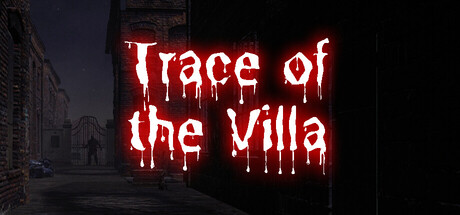
Trace of the Villa: why quiet tension and unanswered questions matter more than loud scares
Trace of the Villa (Steadyturtle Co., Ltd., released 28 May, 2026) drops you into a decaying mansion where Jin’s long search for a missing sister becomes an investigation of erasure, false identities, and carefully concealed systems. The game leans on slow-burn atmosphere, environmental storytelling and clue-driven exploration rather than jump-scare spectacle.

Who, what, when, where, why, and how
Who is it for
This is for players who prefer atmospheric mystery adventure and psychological investigation to adrenaline-driven horror. If you like methodical clue-reading, slow-burn suspense, and exploration that rewards patience, Trace of the Villa is aimed at you.
What the game is
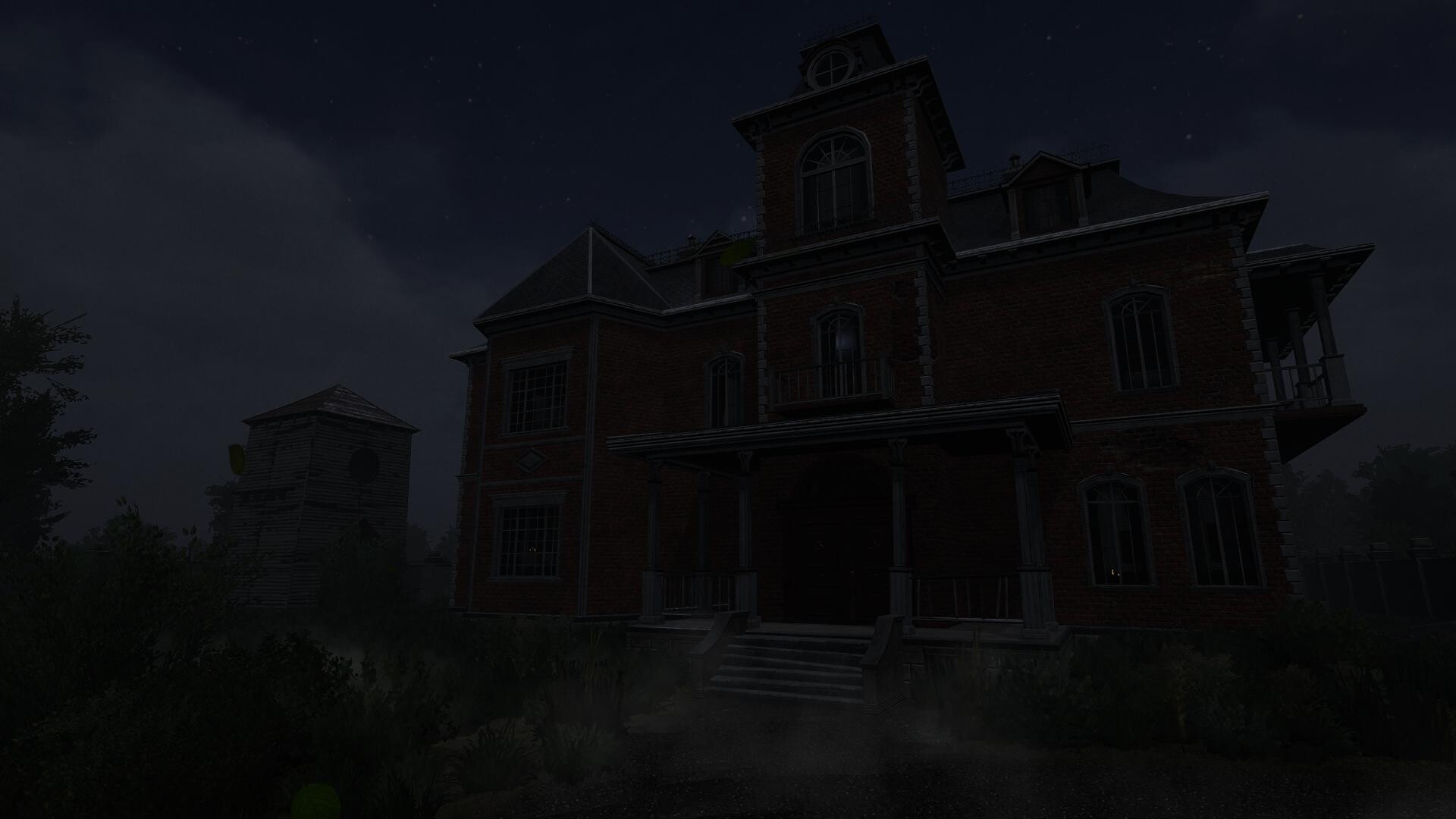
Trace of the Villa is an action/adventure indie on Steam about Jin, a protagonist who has spent years searching for his missing sister. A lead takes him to a remote, decaying mansion where manifests and hints suggest she may still be alive. Inside, the house feels “less abandoned than erased”: furnished rooms frozen in time, locked doors hiding secrets, and personal belongings left without names or photographs. As the player restores systems and solves puzzles, secured systems come back online and hidden compartments reveal financial traces, falsified identities, and evidence of people moving through the estate under strict control — indicating the property was never just a residence.
When and where
Trace of the Villa released on 28 May, 2026 and is available on Steam for PC. Developer and publisher are Steadyturtle Co., Ltd.
Why the theme matters
Psychological horror built around uncertainty trades on what the player doesn’t know. The mansion’s deliberate absence of identity—no photographs, falsified records, sealed systems—creates an investigative tension that makes every unlocked compartment significant. That slow burn amplifies unease because it forces you to assemble a narrative from fragments rather than delivering answers through loud shocks.
How you progress
Progress in Trace of the Villa is clue-driven: restoring power and systems, unlocking compartments and safes, and piecing together manifests and documents are core loops described on the Steam page. The game’s design choices—pacing cues in the narrative, environmental storytelling, and puzzle resolution—encourage deliberate exploration over reflexive panic. Accessibility and pacing options listed on Steam (Color Alternatives, Custom Volume Controls, Playable without Timed Input, Subtitle Options) also support a measured, player-led experience.
Official screenshots

Compact facts — Trace of the Villa
| Title | Trace of the Villa |
|---|---|
| Developer / Publisher | Steadyturtle Co., Ltd. |
| Release date | 28 May, 2026 |
| Genres | Action, Adventure, Indie |
| Key Steam categories | Single-player; Color Alternatives; Custom Volume Controls; Playable without Timed Input; Subtitle Options; Family Sharing |
| Steam store | View Trace of the Villa on Steam |
Who should wishlist this — player scenarios
- The methodical investigator: You enjoy environmental storytelling where every object and log entry nudges the narrative forward. This game’s focus on manifests, encrypted documents and systems restoration fits that appetite.
- The slow-burn horror fan: If jump scares frustrate you but creeping dread and narrative ambiguity hold your attention, the mansion’s erased histories are designed to unsettle over time.
- The accessibility-minded player: Options like Playable without Timed Input, subtitles, custom volume and color alternatives let you control pacing and readability.
- The adventure/puzzle crossover player: If you enjoy exploration that interleaves puzzle resolution with story beats rather than combat-heavy action, the game’s clue-driven progression will suit you.
How Trace of the Villa compares — editorial discovery (not endorsement)
| Title | Release | Genre / Tone | Puzzle & exploration focus | Pacing & atmosphere | Best for |
|---|---|---|---|---|---|
| Amnesia: The Dark Descent | 2010 | Action / Adventure / Indie — immersive first-person survival horror | Exploration with sanity mechanics and environmental puzzles | Claustrophobic, immersive; emphasis on dread and vulnerability | Players seeking immersion and tense survival mechanics |
| SOMA | 2015 | Action / Adventure / Indie — sci‑fi psychological horror | Story-driven puzzles with philosophical framing and exploration | Slow, contemplative; existential unease underpins horror | Players who want narrative-led, thought-provoking fear |
| Layers of Fear (2016) | 2016 | Adventure / Indie — psychological horror in a Victorian mansion | Environment-based puzzles tied to storytelling and changing spaces | Unsettling and surreal; artful focus on atmosphere | Fans of impressionistic, psychological mansion mysteries |
| Poppy Playtime | 2021 | Action / Adventure / Indie — horror/puzzle with toy-factory setting | Puzzle tools and set pieces (GrabPack) with chase sequences | Higher tempo and set-piece encounters; more overt threats | Players preferring puzzle action with horror beats and chases |
Leave a Reply