
Trace of the Villa — a story-first mansion mystery about following threads until the house tells you its truth
Trace of the Villa drops you into Jin’s search for his missing sister: a remote, decaying mansion where manifests, encrypted fragments and locked rooms suggest identities have been deliberately erased. The game leans on atmospheric mystery, clue-driven exploration and environmental storytelling to let players piece together a concealed operation rather than feeding answers on a plate.

Quick facts
| Title | Trace of the Villa |
|---|---|
| Release date | 28 May, 2026 |
| Developer / Publisher | Steadyturtle Co., Ltd. |
| Steam AppID | 3483660 |
| Genres | Action, Adventure, Indie |
| Key categories | Single-player; Color Alternatives; Custom Volume Controls; Playable without Timed Input; Subtitle Options; Family Sharing |
| Short premise | Jin searches for his missing sister and follows a lead to a deliberately forgotten mansion where recovered manifests and hints suggest she may still be alive. |
Who is this for?
Players who prize narrative curiosity over loud scares: those who prefer slowly assembling a backstory from fragments, encrypted documents and the feel of rooms arranged as if occupants vanished mid-routine. If you enjoy atmospheric mystery adventures that reward careful reading of environments and an investigative pace, Trace of the Villa is aimed at you. Its single-player design and accessibility options (subtitles, color alternatives, no timed input) make it approachable for investigative players who want to take their time.
What the game is (and what it promises)
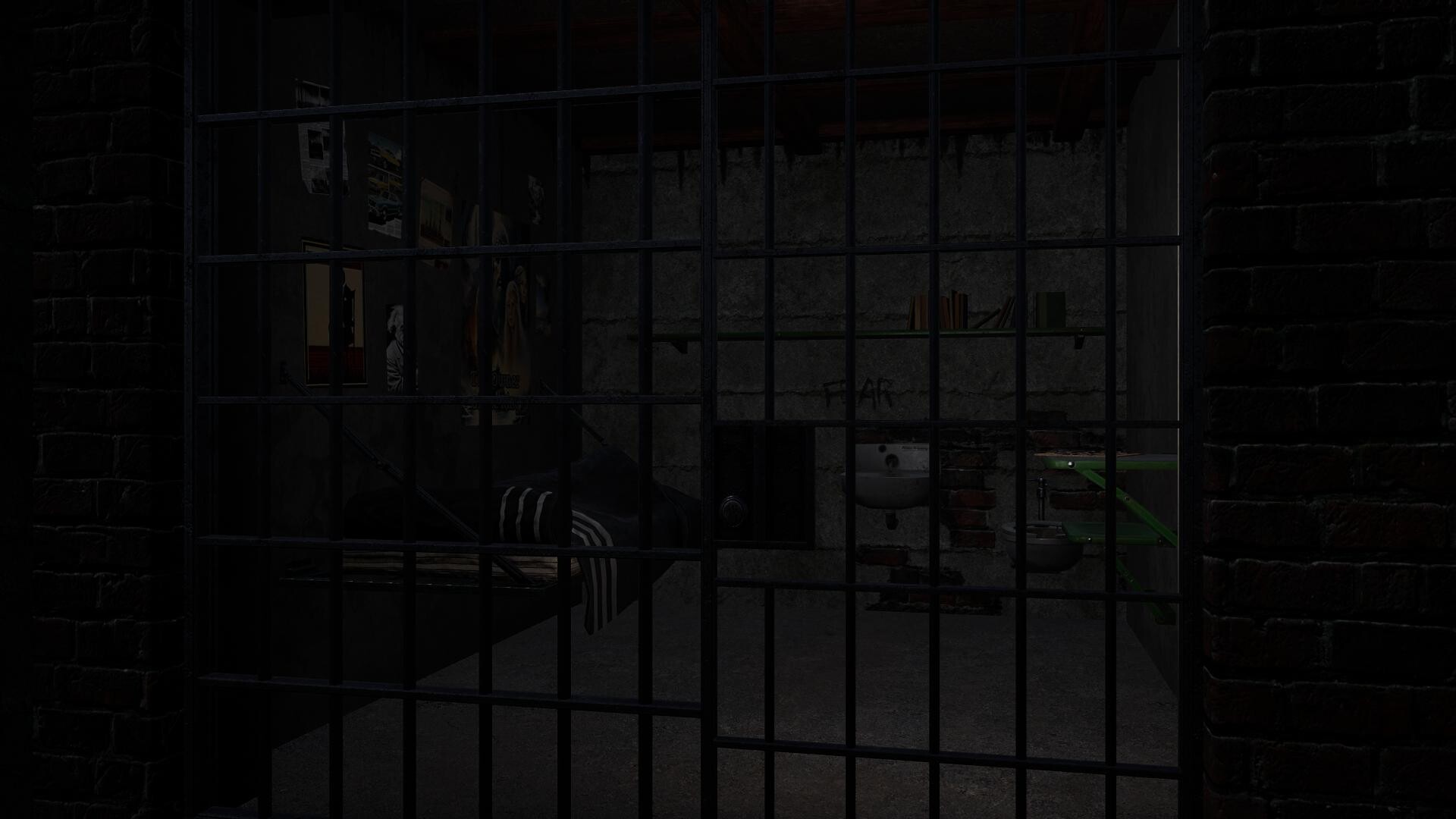
Trace of the Villa casts you as Jin, a protagonist whose long search for a missing sister leads him to a remote mansion. Inside, rooms look lived-in but identity markers are missing; there are locked doors, hidden compartments and safes that yield fragments of encrypted documents and suspicious transfer records. When Jin restores power to the estate, secured systems and hidden spaces begin to reveal themselves — gradually building a picture of a property used for something other than ordinary residence. The official language emphasizes a personal investigation that uncovers falsified identities, financial trails and controlled movements.

When and where
Trace of the Villa released on Steam on 28 May, 2026 and is listed under Action, Adventure and Indie. The Steam store page (AppID 3483660) is the primary place to wishlist, buy and view official media.
Why the theme — and why that matters for the player experience
The core theme is investigation as memory reclamation: identities and records are missing, and the act of restoring power and unlocking systems is literally how the narrative becomes legible. That design choice steers the experience toward curiosity-driven play — you’re not just solving spatial puzzles for a reward, you’re reconstructing a timeline of people who were deliberately anonymized. For players who value story-first mystery design, this framing makes every safe opened or file decrypted feel like discovery rather than mere progression.
How you uncover meaning
The official description signals several concrete mechanics of narrative discovery: restoring power to bring systems back online, unlocking hidden compartments and safes, and recovering fragments of encrypted documents and manifests. Progress appears tied to investigative beats — finding physical traces, using returns of utilities/systems to access sealed content, and reading financial or transfer records to map out movements. In short: you read the world, react to what regaining power reveals, and let documents and secured systems turn rumor into a timeline.
Player scenarios — who should wishlist Trace of the Villa
- The slow-burn investigator: You like games that give you the time to examine, reread and assemble a story from fragments. Accessibility options and non-timed input support patient play.
- The environmental storyteller: You notice how props, furniture and absence of names convey narrative. A furnished but erased mansion is precisely the sort of space you’ll comb for implication.
- The puzzle-minded detective who likes narrative weight: You want puzzles that reveal plot threads, not just mechanical barriers. Encrypted document fragments and locked safes feed story as much as challenge.
- The solo narrative player: Single-player design and a personal protagonist-facing-quest narrative suit players who prefer solitary, intimate mysteries.
How it compares — a short editorial comparison
To help decide whether this fits your tastes, here’s a compact editorial comparison with a few nearby reference titles. These comparisons are about tone, puzzle focus and player fit — not about quality claims.
| Game | Genre / Focus | Narrative curiosity | Puzzle / exploration style | Pacing / player fit |
|---|---|---|---|---|
| Trace of the Villa | Action / Adventure / Indie | Investigation of erased identities, manifests and encrypted records | Clue-driven exploration, restoring systems, unlocking safes/compartments | Slow-burn, story-first; suits players who parse environmental detail |
| Inscryption | Adventure / Indie / Strategy | Metatextual, layered secrets embedded in card systems | Deckbuilding + escape-room style puzzles blended with narrative reveals | Dense, often opaque; fits players who like mechanical surprises and meta-horror |
| Outer Wilds | Action / Adventure | Cosmic mystery revealed through exploration and timeline inference | Open-world exploration, environmental clues across connected locales | Exploratory, patient; for players who synthesize clues across a systemic world |
| The Forgotten City | Adventure / Indie / RPG | Time-loop narrative built around moral and causal deduction | Puzzle and dialogue-based investigation with a narrative hinge mechanic | Dialog- and consequence-heavy; appeals to players who like moral puzzle stakes |
| The Medium | Adventure | Psychological, dual-reality secrets and traumatic backstory | Exploration across two overlapping planes, environmental puzzles | Psychological tone, suited to players who want eerie, reflective mystery |
Practical notes and accessibility
Trace of the Villa lists several helpful categories on Steam: single-player, color alternatives, custom volume controls, playable without timed input, subtitle options and family sharing. Those tags underline a design that supports careful reading and accessibility-friendly pacing.
YouTube discovery
If you want to see trailer footage or streamed play before deciding, search for trailer and gameplay videos using this YouTube path (useful for discovery; not claiming an official video here): YouTube: Trace of the Villa trailer & gameplay.
Decision checklist — should you wishlist this?
- Wishlist if you prefer atmospheric mystery adventure and clue-driven exploration.
- Wishlist if you enjoy
Steam page
Leave a Reply