
Trace of the Villa: a slow-burn, clue-driven mansion mystery
Jin arrives at a remote, decaying mansion with a single aim: follow manifests and fragments that might lead to his missing sister. Released 28 May, 2026 from Steadyturtle Co., Ltd., Trace of the Villa promises an investigation-driven, atmospheric adventure where restoring systems and unlocking encrypted records peel back layer after layer of a deliberately erased past.

Who should wishlist Trace of the Villa?
This is for players who prize story-first mystery design over straight jump scares or twitch-heavy combat. If you enjoy environmental storytelling, slow-burn suspense, and piecing together meaning from discarded documents, locked safes and restored systems, Trace of the Villa is aimed at you. The game’s categories — Single-player, Color Alternatives, Custom Volume Controls, Playable without Timed Input, and Subtitle Options — also make it a fit for players who prefer a deliberate, accessible pacing where reading and reflection matter.
What the game is (short)
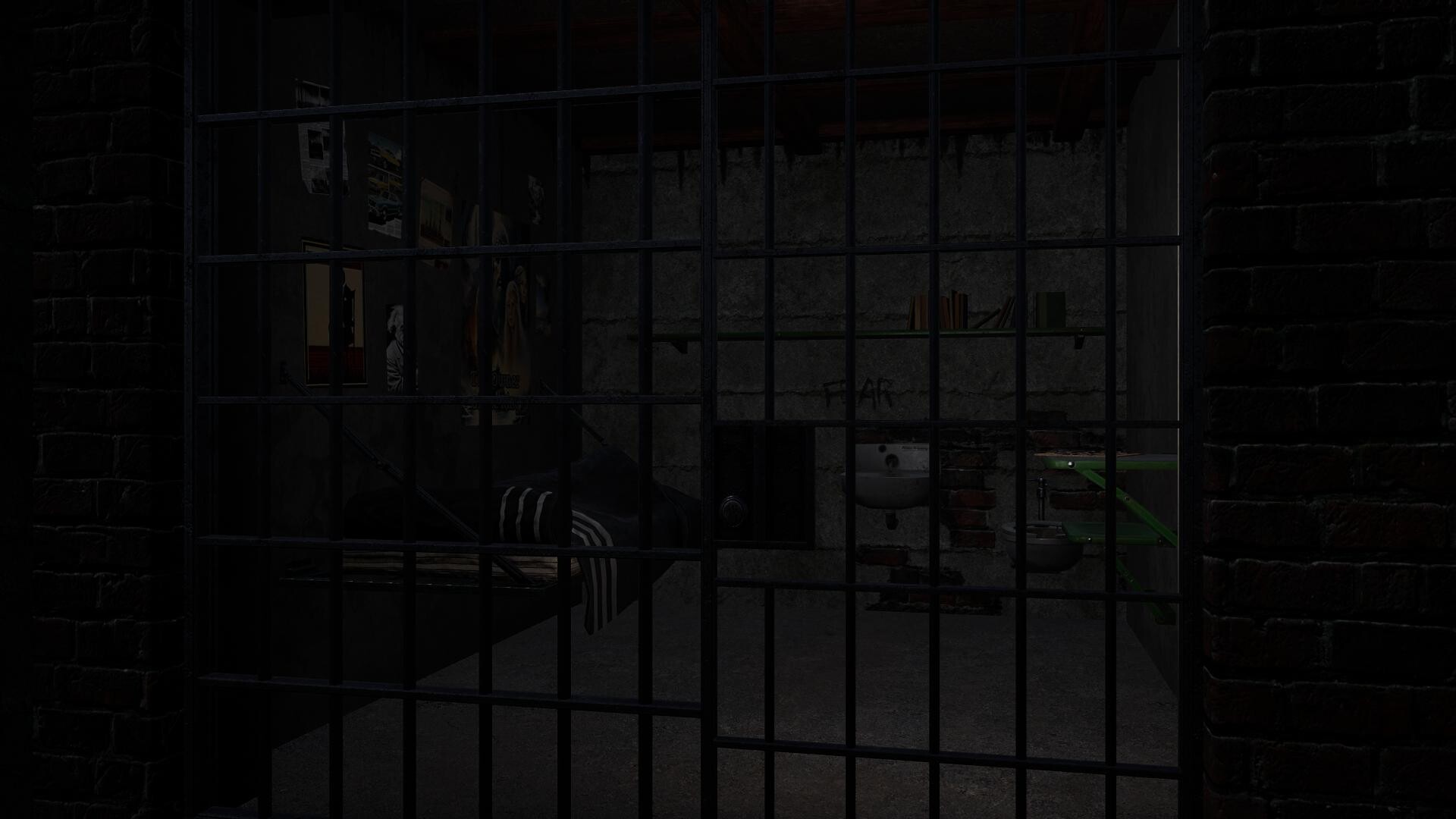
Trace of the Villa is an Action/Adventure indie on Steam about Jin’s search for his missing sister. Leads take him to an off-grid mansion whose rooms look frozen mid-routine; restoring power and solving puzzles unearth manifests, encrypted documents, and suspicious transfer records that suggest controlled movements and falsified identities. The game frames investigation as a personal, unfolding reveal rather than a sequence of exposition dumps.
When and where
Trace of the Villa launched on Steam 28 May, 2026 and is published and developed by Steadyturtle Co., Ltd. It’s listed on Steam under Action, Adventure, Indie and includes accessibility-style categories such as Playable without Timed Input and Subtitle Options.
Why the theme matters: erasure, identity, and the slow reveal
The mansion’s consistent motif—rooms furnished but identities removed—makes the act of discovery itself the narrative engine. Instead of telling you what happened, Trace of the Villa makes every recovered manifest, every powered-up terminal, and every opened safe a small argument about who people were and why they were made to disappear. That framing turns puzzles into moral evidence: the more you pry, the more the house reasserts a hidden system of control.
How you uncover meaning: systems, fragments, and player reading
Gameplay centres on exploration, environmental clues, and investigation mechanics that react to player attention. Key systems from the official description you’ll encounter include:
- Restoring power to bring secured systems back online.
- Opening hidden compartments and safes to reveal fragments of encrypted documents and transfer records.
- Following manifests and hints recovered in the mansion to extend the trail beyond the property.
That sequence—power, access, documents—establishes a rhythm: each technical restoration yields narrative fragments that must be read and reassembled. The design favors synthesis over single-solution puzzles; meaning is cumulative and often interpretive rather than spelled out.

Compact facts
| Title | Trace of the Villa |
|---|---|
| Release date | 28 May, 2026 |
| Developer / Publisher | Steadyturtle Co., Ltd. |
| Steam AppID | 3483660 |
| Genres | Action, Adventure, Indie |
| Notable categories | Single-player; Color Alternatives; Custom Volume Controls; Playable without Timed Input; Subtitle Options; Family Sharing |
How it compares (quick editorial table)
Below are lawful editorial comparisons focused on tone, puzzle emphasis, exploration style and pacing—so you can decide whether Trace of the Villa fits your taste compared to similar narrative-minded mysteries.
| Title | Tone / Atmosphere | Puzzle / Investigation Focus | Exploration Style & Pacing |
|---|---|---|---|
| Trace of the Villa | Atmospheric mansion mystery; intimate, erasure-driven | Document fragments, restored systems, safes, encrypted records | Deliberate, clue-accumulative; player reads meaning from fragments |
| Inscryption | Inky, psychological and unsettling (card-based framing) | Puzzles embedded in card mechanics and meta-narrative reveals | Layered, emergent; mixes escape-room puzzle feel with meta twists |
| Outer Wilds | Curious, cosmic; wonder mixed with melancholy | Environmental puzzles and timeline-based mystery about systems | Open exploration, discovery-driven, often nonlinear pacing |
| Journey | Poetic, minimalist and contemplative | Minimal puzzles; narrative through environment and movement | Slow, meditative; emphasis on mood over complex mechanics |
| The Forgotten City | Philosophical time-loop mystery with social consequences | Dialogue and puzzle choices affecting outcomes | Curiosity-led, player agency shapes pacing and revelations |
| The Medium | Psychological, dual-reality exploration | Puzzles that exploit two simultaneous planes of reality | Steady reveal; horror-tinged investigation with story beats |
Player scenarios — who will enjoy the game most
Scenario A: You like methodical reading and inference
If you prefer assembling a narrative from brief, credible artifacts—manifests, transfer records, encrypted snippets—Trace of the Villa rewards patient attention. The core loop of restoring systems and then interpreting what they reveal makes every discovery feel earned.
Scenario B: You value atmosphere and emotional stakes
If slow-burn mood, a sense of personal stakes (Jin searching for his sister), and a mansion that feels “erased” appeal to you, the game’s tone will likely hold your interest even when puzzles are quiet rather than explosive.
Scenario C: You want accessible, low-stress investigation
With Playable without Timed Input and subtitle options listed on Steam, the design supports players who need a measured, readable pace. Expect fewer twitch demands and more reflective discovery.
YouTube trailer and discovery
For trailer and gameplay search results, use the publisher-suggested discovery path: Search Trace of the Villa on YouTube. This link is a general search path; we do not claim any single video as
Leave a Reply