Trace of the Villa — why quiet tension and uncertainty matter more than shock claims
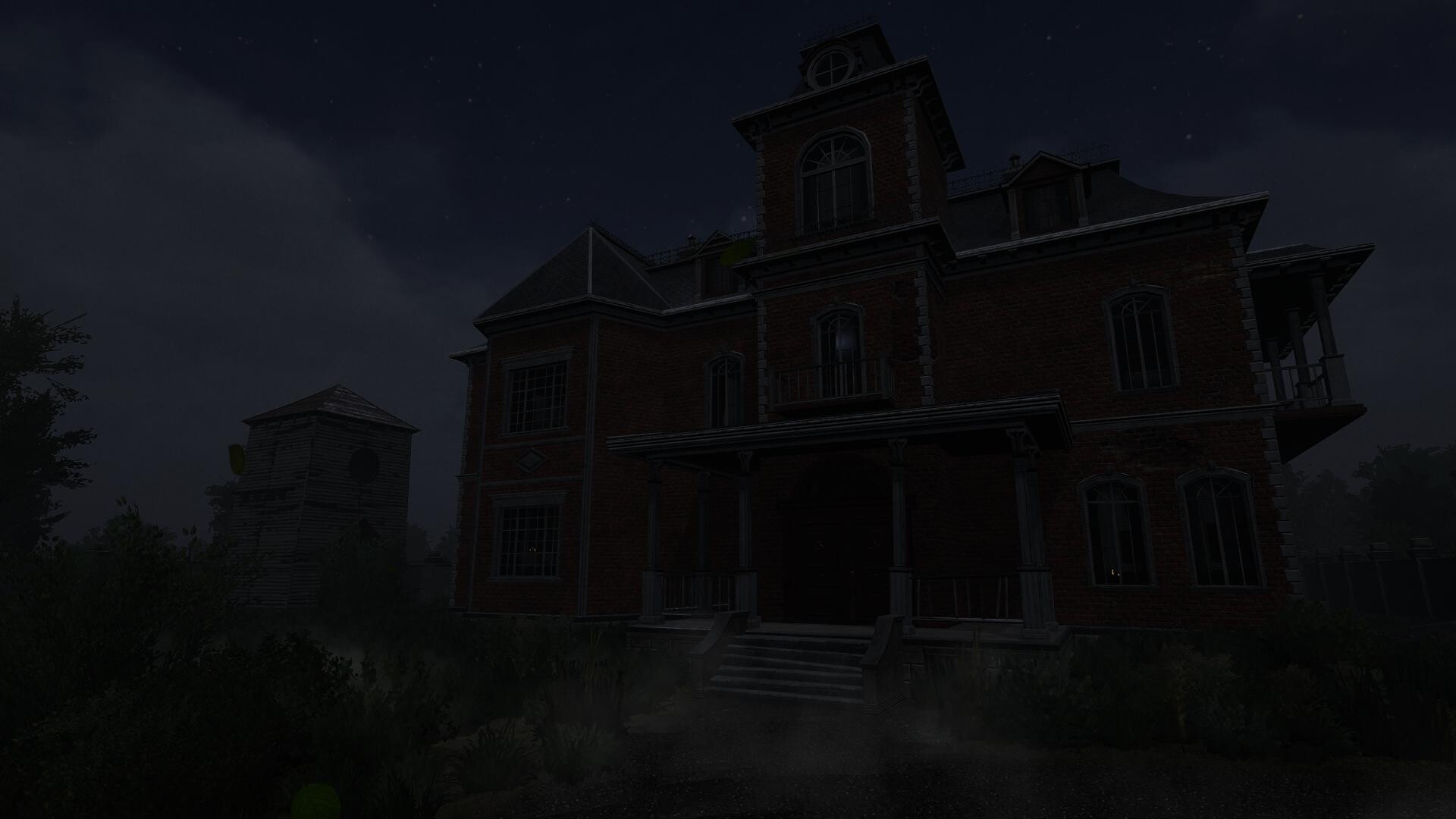
Trace of the Villa leans on atmosphere, slow-burn mystery, and restraint rather than jump-scare theatrics: a protagonist named Jin follows cold leads to a decaying mansion where the clues suggest his missing sister might still be alive. Released on Steam on 28 May, 2026 and developed and published by Steadyturtle Co., Ltd., the game asks players to read an environment that feels erased of identity and slowly reveal what the house is hiding.

Who is this for?
This is for players who prefer mood-driven horror and environmental storytelling over reflex tests. If you favor atmospheric mystery adventures, clue-driven exploration, and a game that builds dread through omission and implication rather than headline scares, Trace of the Villa will likely fit your taste. It also suits players who prefer single-player, optionally accessible experiences — the Steam listing includes categories such as Playable without Timed Input, Subtitle Options, Color Alternatives, and Custom Volume Controls.
What the game is
Trace of the Villa puts you in Jin’s shoes: years of searching for a missing sister lead to a remote, deliberately forgotten mansion. According to the official Steam description, rooms look as if occupants vanished mid-routine, locked doors hide hastily secured secrets, and restoring power to the estate starts to reveal encrypted documents, falsified identities, and financial trails. The game blends action, adventure, and indie sensibilities with puzzle and exploration mechanics that unpack a larger, concealed operation.
When and where it’s on Steam
Trace of the Villa launched on Steam on 28 May, 2026. It’s listed as an Action / Adventure / Indie title on the Steam store and appears as a single-player experience with the accessibility and options already mentioned.
Why the theme matters — subtle tension and uncertainty
Quiet tension works because it transfers responsibility to the player: when identities are deliberately stripped away from a place, every orphaned object and blank ledger becomes a question. That uncertainty creates a continuous low-grade anxiety that’s compelling in long-form play — you are constantly anticipating what a revealed clue might imply rather than being repeatedly jolted by set-piece shocks. Trace of the Villa’s premise — rooms arranged as if someone left mid-routine, missing names, and falsified records — is built to sustain that mood over hours of exploration, where restraint pays off by making each discovery feel consequential.
How you progress — reading the house
Progression leans on environmental examination and puzzle solving. The core loop described on Steam centers on restoring systems, unlocking hidden compartments, and decrypting documents to trace a timeline: you power up the estate, reactivate secured systems, and follow clues in documents, manifests, and the physical space. Puzzles act as narrative gates — solving one reveals a fragment of the operation that ran through this property, which in turn reframes what you’ve already seen.
Specific player scenarios — who should wishlist it
- Slow-burn explorers: You enjoy walking through spaces, examining belongings, and letting context build dread rather than reacting to scripted scares.
- Puzzle-minded narrativists: You want puzzles that unlock story beats and make each solved lock feel like a plot advancement.
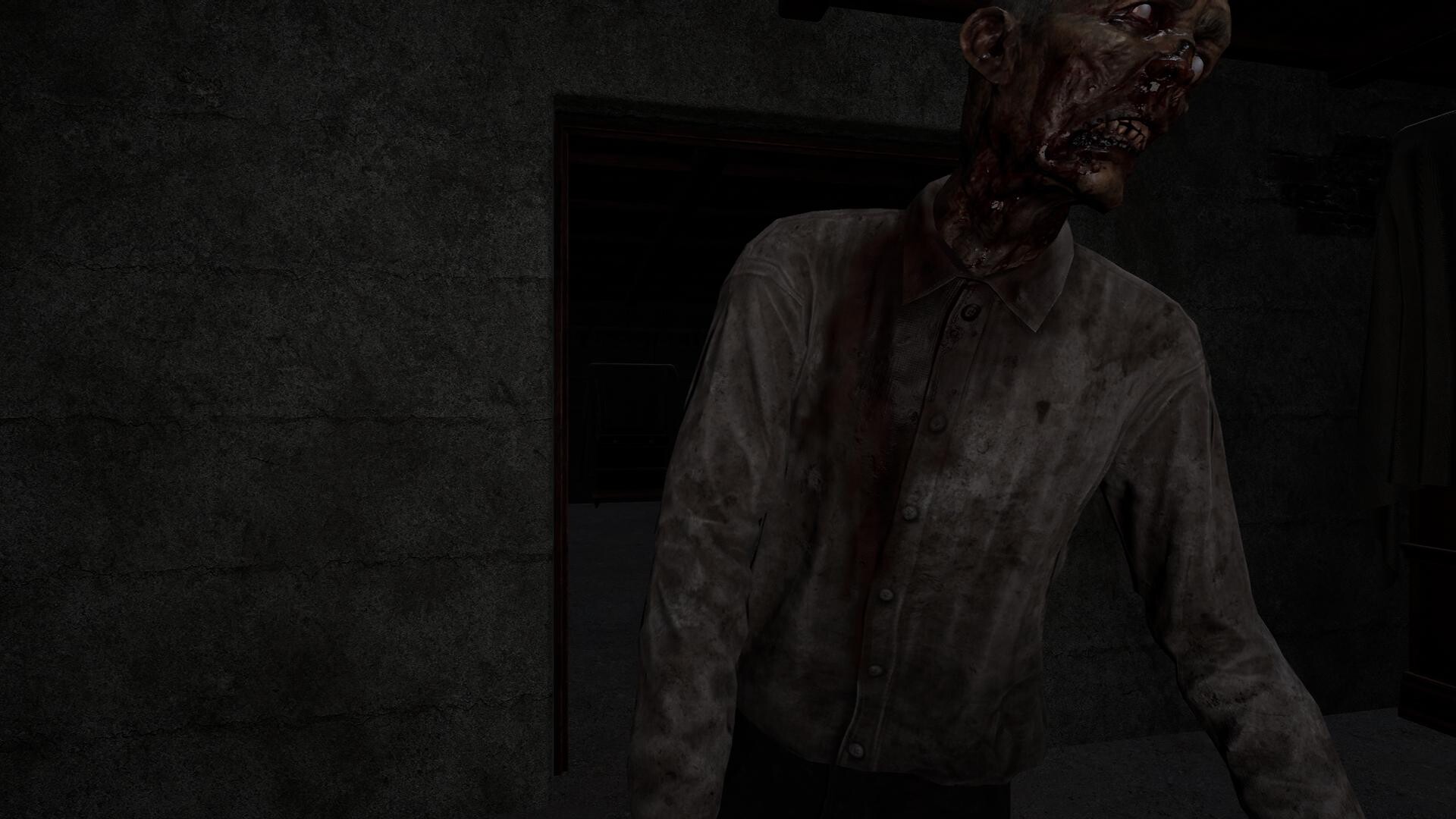
- Players who value restraint: You prefer implied horror and ambiguous answers that invite interpretation instead of explicit monster reveals.
- Accessibility-aware players: Steam categories list options like Subtitle Options, Custom Volume Controls, and Playable without Timed Input.
Quick facts
| Title | Trace of the Villa |
|---|---|
| Release date | 28 May, 2026 |
| Developer | Steadyturtle Co., Ltd. |
| Publisher | Steadyturtle Co., Ltd. |
| Genres | Action, Adventure, Indie |
| Categories (Steam) | Single-player; Color Alternatives; Custom Volume Controls; Playable without Timed Input; Subtitle Options; Family Sharing |
| Short premise | Jin searches a decaying mansion for leads that indicate his missing sister may still be alive. |
| Steam store | View on Steam |
How it compares — context for PC mystery and psychological horror players
| Title | Year | Genre / Focus | Atmosphere / Tone | Pacing & Exploration | Player fit |
|---|---|---|---|---|---|
| Amnesia: The Dark Descent | 2010 | First-person survival horror | Immersive, oppressive dread | Slow to mid; heavy on immersion and stealth elements | Players who want intense, sanity-driven immersion |
| SOMA | 2015 | Sci-fi psychological horror | Existential, unsettling | Measured; narrative-driven exploration under a sci-fi veneer | Players who prefer narrative philosophy with horror framing |
| Layers of Fear (2016) | 2016 | First-person psychological horror | Surreal, artistically unsettling | Room-based, shifting architecture; strongly narrative | Players drawn to atmospheric, story-centric mansion settings |
| Poppy Playtime | 2021 | Horror / puzzle adventure | Playful but menacing | Puzzle-forward; more actionable set pieces and enemy encounters | Players who want puzzle mechanics mixed with threats and set pieces |
YouTube discovery
For trailer and gameplay discovery, use YouTube search rather than relying on unverified embeds: Find Trace of the Villa trailer and gameplay searches on YouTube.
Leave a Reply