
Trace of the Villa — a knotty, character-driven mansion mystery for story-first explorers
Jin has spent years tracking a single, devastating absence: his missing sister. Trace of the Villa drops you into a decaying, off-grid mansion where recovered manifests, encrypted fragments and restored systems suggest that the trail of disappearances continues — and that the stakes are unmistakably personal.

Quick facts
| Title | Trace of the Villa |
|---|---|
| Developer / Publisher | Steadyturtle Co., Ltd. |
| Release date | 28 May, 2026 |
| Steam appid | 3483660 |
| Genres | Action, Adventure, Indie |
| Notable categories | Single-player, Color Alternatives, Custom Volume Controls, Playable without Timed Input, Subtitle Options, Family Sharing |
Who should wishlist this on Steam?
If you prefer atmospheric mystery adventure with a human center — a protagonist driven by missing-person stakes rather than abstract cosmic puzzles — Trace of the Villa is aimed at you. This is for players who prize environmental storytelling, slow-burn suspense, and clue-driven exploration over nonstop action. It also suits those who appreciate accessibility options such as subtitle support and the ability to play without timed input.
What the game is
Trace of the Villa casts you as Jin, a seeker whose long search for his sister brings him to a deliberately forgotten mansion. The estate is less ‘abandoned’ than ‘erased’: rooms appear lived-in but missing identifying marks, locked doors hide hastily secured secrets, and financial and identity trails hint at an organized operation. Restoring power to the property is a gameplay pivot — secured systems boot back up, safes and hidden compartments yield fragments of encrypted documents, and each uncovered manifest or suspicious transfer record nudges the timeline forward.
When and where
Trace of the Villa launched on Steam on 28 May, 2026. It is available on PC via Steam; the store page is the primary hub for discovery, system specs and purchase.
Why the theme matters — motivation and missing-person stakes
What sets the game’s narrative curiosity into motion is motivation: Jin’s search is driven by family loss, which changes how you interpret every clue. Where many mystery-puzzle games make discovery an intellectual exercise, Trace of the Villa frames each recovered manifest or encrypted fragment as evidence in a personal investigation. That missing-person stakes shift the mood from abstract puzzle-solving to moral urgency; uncovering falsified identities or transfer records reads as a step toward accountability, not merely completion of a checklist.
How you progress: reading the house
Progress is primarily investigative. The mansion’s environment — furniture, sealed rooms, and the absence of photos or names — functions as the puzzle. You restore power, bring systems back online, open safes and hidden compartments, and piece together encrypted documents and manifests. Expect a mixture of environmental puzzles and investigative beats where context is the clue: timelines emerge from clustered artifacts rather than explicit narration, and the estate itself is the detective’s dossier.

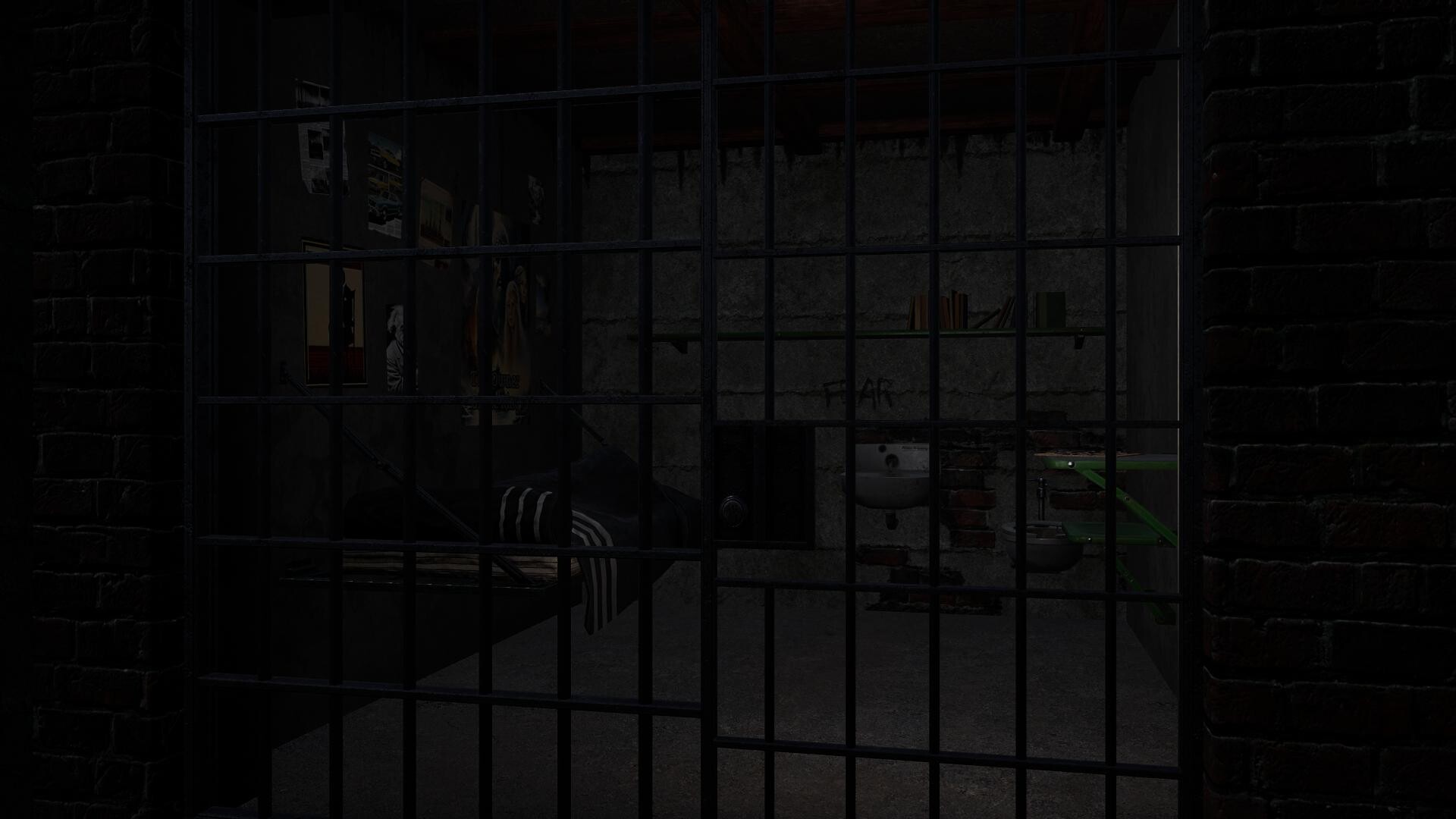
Player scenarios — who’ll enjoy Trace of the Villa
- Slow-burn investigators: You like games where the atmosphere and small discoveries accumulate into a larger reveal. You value pacing and context clues over combat-driven progression.
- Narrative-first players: The emotional throughline (a sibling search) reframes object-finding as meaningful beats in a story about erasure and identity.
- Environmental storytellers: You prefer reading rooms, manifests and transaction fragments to learn backstory rather than relying on extended exposition.
- Accessible explorers: You want subtitle options, color alternatives and gameplay not dependent on rapid timed inputs.
How it stacks up — brief comparison
Below is an editorial comparison to nearby narrative/mystery titles, focusing on tone, exploration style and puzzle emphasis rather than claims of superiority.
| Title | Primary focus | Atmosphere / Tone | Puzzle & Exploration | Pacing |
|---|---|---|---|---|
| Trace of the Villa | Missing-person investigation, environmental storytelling | Unsettling, intimate mansion mystery | Clue-driven, restores systems, decrypts manifests | Slow-burn, investigative |
| Inscryption | Card-based odyssey blending escape-room puzzles and meta-horror | Dark, psychological, often confrontational | Puzzle cards and meta-puzzles; escape-room structures | Varied; often tense and immediate |
| Outer Wilds | Exploratory cosmic mystery about a time-looping solar system | Curious, awe-driven with existential stakes | Open exploration, environmental clues across locations | Leisurely but cyclical — discovery builds over loops |
| Journey | Minimalist exploration and emotional travel | Serene, allegorical, contemplative | Movement and environment reveal narrative rather than puzzles | Gentle, meditative |
| The Forgotten City | Narrative time-loop mystery with moral consequences | Investigative, ethically weighty | Puzzle-driven with dialogue and systemic consequences | Deliberate, investigative |
Decision guide — does it fit your playstyle?
Choose Trace of the Villa if you want a PC mystery game that centers a human motive (Jin’s search) and asks you to reconstruct a timeline from recovered manifests, encrypted documents and the house itself. Skip or wait if you prefer fast-paced, combat-first experiences or if you need heavy mechanical novelty over narrative density. The Steam page lists support for accessibility features such as subtitle options and color alternatives — useful signals for players who care about readability and pacing control.
YouTube discovery
Want quick trailer or gameplay footage? Search YouTube for Trace of the Villa trailer/gameplay here: YouTube: Trace of the Villa trailer & gameplay. This link is a search path; it is not a direct claim that a single official video is verified on YouTube.
Steam CTA
Interested? Visit the Steam store page for purchase details and system requirements: Trace of the Villa on Steam
Editorial notes & disclaimer
Referenced facts about Trace of the Villa (title, release date, developer/publisher, genres, categories, and official short/long descriptions) come from the game’s Steam store data. Comparative summaries of other titles use public editorial descriptions for context. Referenced titles and trademarks belong to their respective owners; comparisons are editorial discovery only and not endorsements.
Leave a Reply