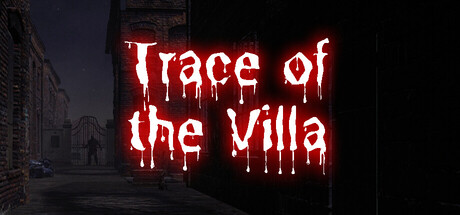
Trace of the Villa: why quiet tension and the erasure of identity matter more than jump scares
Trace of the Villa is a slow-burn psychological mystery centered on Jin’s search for his missing sister inside a deliberately forgotten, decaying mansion. Released on 28 May, 2026 by Steadyturtle Co., Ltd., the game trades theatrical shocks for an atmosphere of erased lives, locked rooms, and the steady reveal of carefully concealed systems.

Who this is for
This is for players who prefer atmospheric mystery adventure and environmental storytelling over headline-grabbing shocks. If you value narrative puzzle design, clue-driven exploration, and a story told through objects and systems—rather than sudden enemy encounters—Trace of the Villa is aimed at your taste. It also fits PC players who look for single-player indie titles with subtitle options and custom volume controls listed on Steam.
What the game is
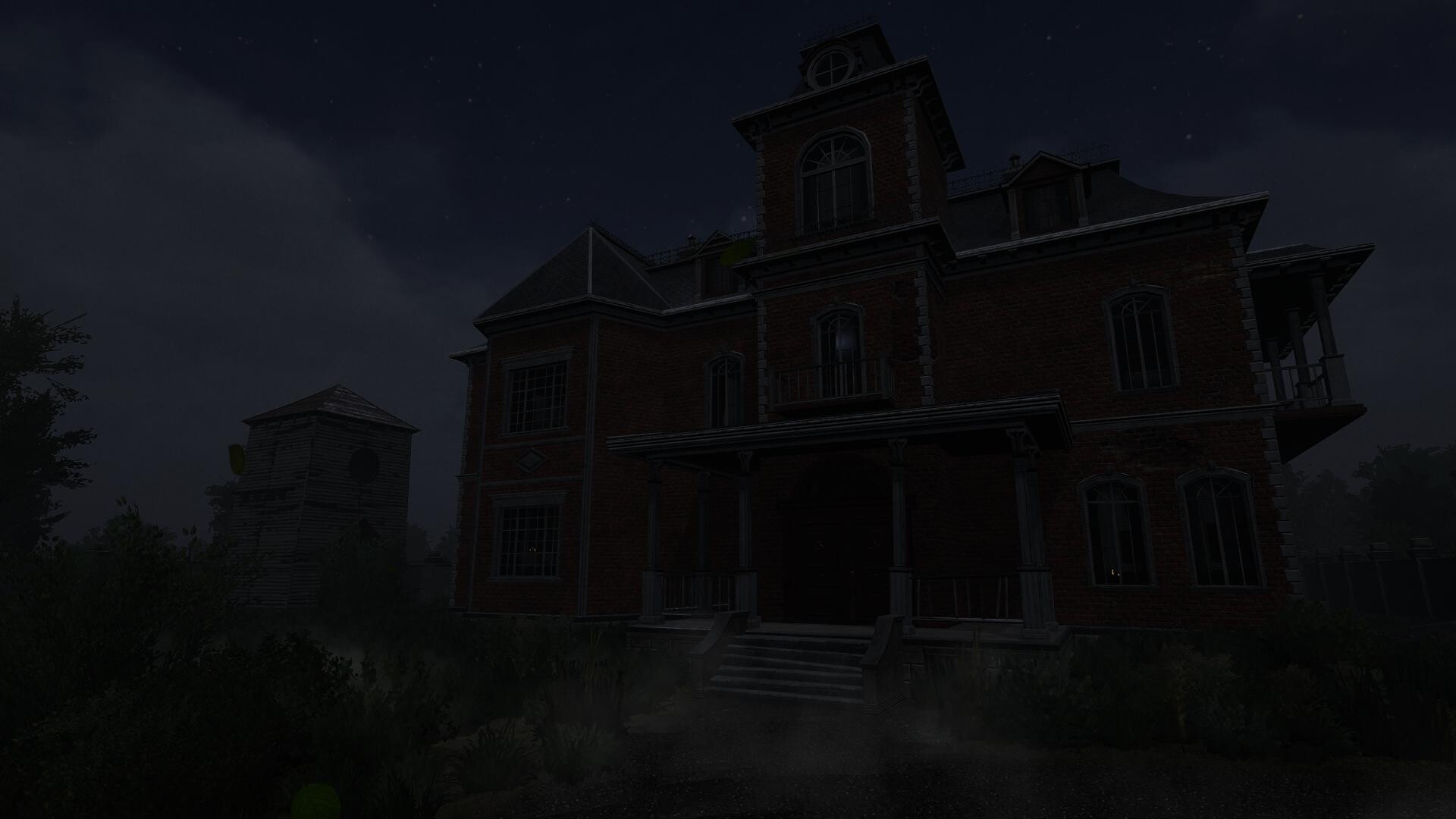
Trace of the Villa is listed on Steam as Action, Adventure, Indie. Its premise: Jin has spent years searching for his missing sister and follows a lead to a remote mansion where manifests and hints suggest she may still be alive. Inside, rooms feel “less abandoned than erased”: furnishings remain, but photographs and names are missing; locked doors and encrypted documents suggest a controlled operation. Restoring power and solving puzzles brings systems back online, revealing hidden compartments, safes, and fragments of suspicious transfer records.
When and where
Trace of the Villa launched on Steam on 28 May, 2026. The Steam page lists Steadyturtle Co., Ltd. as both developer and publisher and includes single-player support, color alternatives, custom volume controls, subtitle options, and family sharing in its Steam categories.
Why the theme of erased identity matters
Psychological horror that centers on uncertainty and absence relies on the same cognitive mechanics as real dread: missing context makes the mind fill gaps with possibilities. Trace of the Villa’s decision to remove photographs, names and records transforms ordinary rooms into interrogative spaces — each untouched object becomes a question rather than an answer. That slow accrual of detail builds tension that lingers between discoveries, making the player complicit in reconstructing identity and motive rather than passively reacting to shocks.
How you progress: puzzles, power, and piecing a timeline
The Steam description emphasizes restoring estate power and accessing secured systems as core beats. Expect a rhythm of investigation where electrical and mechanical systems are returned to life, safes and compartments unlock, and fragments of encrypted documents point to financial and identity irregularities. Progress appears anchored in environmental puzzle-solving and archival reconstruction: find manifests, reassemble timelines, and follow transfer records to map the estate’s purpose. That approach places emphasis on reading the scene and solving layered, clue-driven problems rather than on reflex-based survival mechanics.

Compact facts: Trace of the Villa
| Title | Trace of the Villa |
|---|---|
| Steam AppID | 3483660 |
| Release date | 28 May, 2026 |
| Developer / Publisher | Steadyturtle Co., Ltd. |
| Genres | Action, Adventure, Indie |
| Steam categories | Single-player; Color Alternatives; Custom Volume Controls; Playable without Timed Input; Subtitle Options; Family Sharing |
| Short premise | Jin searches a remote, decaying mansion where manifests and clues suggest his missing sister may still be alive. |
How it compares — measured editorially
The following table compares Trace of the Villa to other atmosphere-first titles on lawful editorial criteria: setting, puzzle/exploration emphasis, pacing, and likely player preference.
| Title | Primary setting / tone | Puzzle / exploration focus | Pacing | Player fit |
|---|---|---|---|---|
| Trace of the Villa | Remote decaying mansion; erased identities; investigative atmosphere | Clue-driven, system-restoration, document fragments and safes | Slow-burn, methodical reveals | Fans of environmental storytelling and narrative puzzle design |
| Amnesia: The Dark Descent (2010) | Gothic castle; immersion and dread | Exploration with physics puzzles and sanity mechanics | Slow-to-moderate tension with survival elements | Players who want immersive fear and helplessness |
| SOMA (2015) | Undersea sci‑fi; existential dread and philosophical questions | Exploration, environmental clues, narrative puzzles | Deliberate, narrative-first pacing | Those who prefer thought-provoking sci‑fi horror and story-driven investigation |
| Layers of Fear (2016) | Shifting Victorian mansion; psychological, unreliable space | Atmospheric puzzles tied to story and scene changes | Uneasy, chaptered escalation | Players who enjoy surreal, art-focused psychological horror |
| Poppy Playtime (2021) | Abandoned toy factory; tense, encounter-driven set pieces | Puzzles mixed with scripted encounters and tools (GrabPack) | Faster, set-piece driven | Players who want puzzle-horror with more mechanical gadget use and moments of confrontation |
Player scenarios — will you like this?
- If you love reconstructing a timeline: You’ll appreciate how the game foregrounds manifests, encrypted fragments, and transfer records as evidence you must assemble.
- If you want long, quiet stretches of tension: Expect atmosphere to carry the weight; tension accumulates from absence and unanswered questions rather than frequent shocks.
- If you prefer action or constant threats: The Steam listing frames this more as an investigation-heavy adventure. Players after constant combat or high-tempo chases may find the pacing deliberate.
- If accessibility and comfort options matter: Steam categories include subtitle options, color alternatives, and custom volume controls to help tailor the experience.
YouTube discovery
Look for trailers and gameplay clips with a YouTube search: search Trace of the Villa trailer / gameplay on YouTube. This is a discovery path rather than an official video endorsement unless you verify an official channel.
Final take
Trace of the Villa stakes its horror on the slow accumulation of uncertainty: missing faces, sealed systems, and documents that imply masked movements. If you want a story
Leave a Reply