Trace of the Villa: Why Slow-Burn Unease Often Outlasts a Startle
Trace of the Villa places you in a decaying mansion where Jin’s search for his missing sister becomes a methodical, clue-driven investigation — not a parade of jump scares. This Steam release from Steadyturtle Co., Ltd. (28 May, 2026) leans on atmosphere, environmental storytelling, and incremental revelations to sustain tension.

Quick facts
| Title | Trace of the Villa |
|---|---|
| Steam AppID | 3483660 |
| Release date | 28 May, 2026 |
| Developer / Publisher | Steadyturtle Co., Ltd. |
| Genres | Action, Adventure, Indie |
| Categories | Single-player; Color Alternatives; Custom Volume Controls; Playable without Timed Input; Subtitle Options; Family Sharing |
| Short premise | “Jin has spent years searching for his missing sister, pursuing leads that took him to a remote, decaying mansion…” (official short description) |
Who this is for
Players who prefer psychological investigation over reflex-based horror will find Trace of the Villa appealing. If you value environmental storytelling, slow-burn suspense, and piecing together a narrative from manifests, encrypted files, and restored systems, this is a better match than a game built around repeated shocks.
What the game actually is
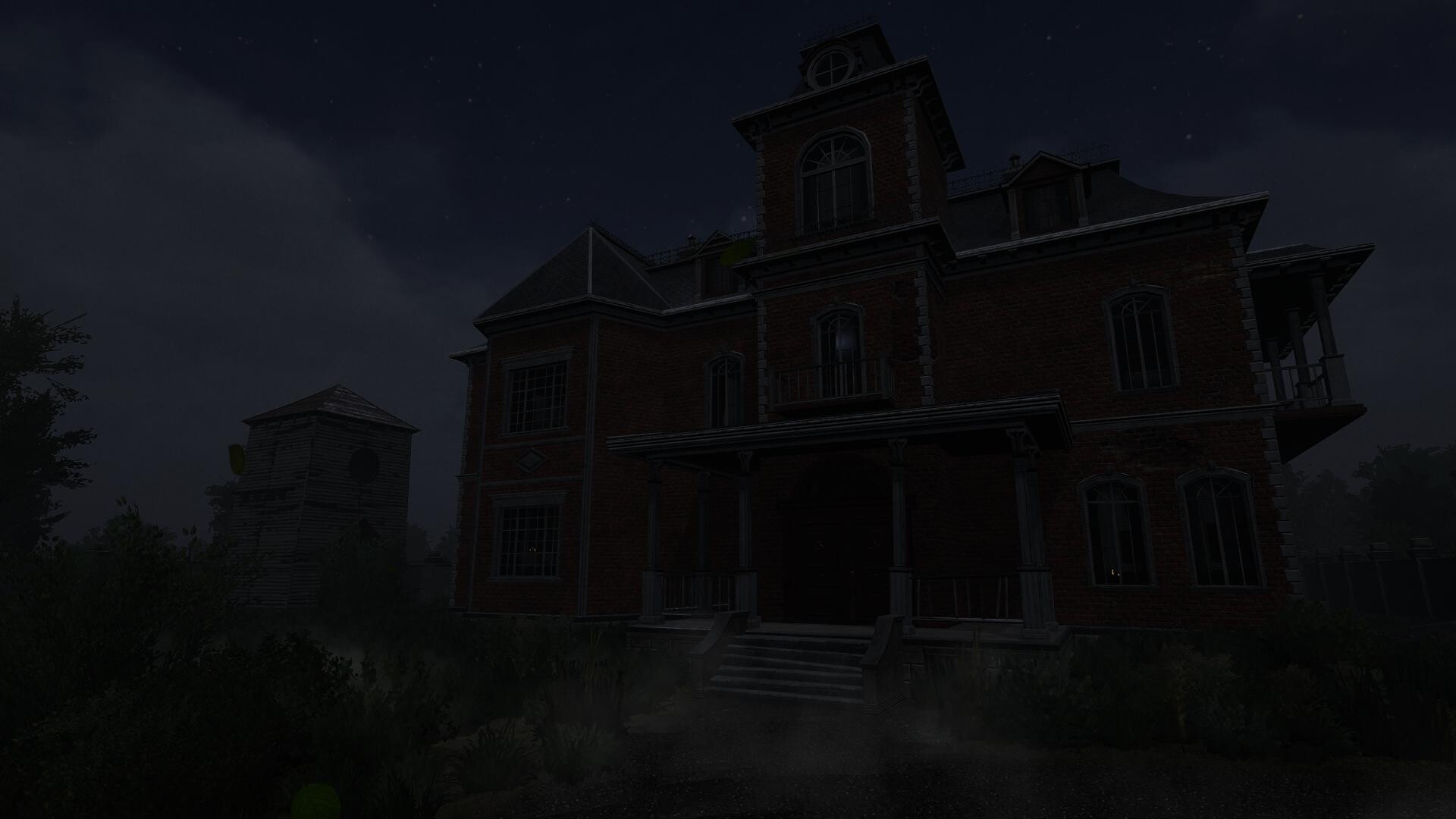
According to the Steam listing, Trace of the Villa follows Jin as he investigates a remote, deliberately forgotten mansion after clues suggest his missing sister may still be alive. The house presents furnished rooms that feel “erased” of identity, locked doors, and systems that must be restored to reveal evidence — safes, encrypted documents, and financial trails that hint at a larger, concealed operation. Expect exploration, puzzle-solving, and narrative-slow-burn rather than constant action set pieces.
When and where
Trace of the Villa is available on Steam with a release date of 28 May, 2026. The Steam store page lists the developer and publisher as Steadyturtle Co., Ltd., and includes images and category options such as subtitle support and custom volume controls for accessibility.
Why quiet tension and uncertainty matter more than repeated shocks
Horror that trades on surprise can be effective in short bursts, but psychological unease — the feeling that the environment itself withholds information — sustains attention longer. Trace of the Villa’s design choices in the official description (rooms frozen mid-routine, missing identities, locked systems returning to life) are the kinds of detail that reward patience: each recovered manifest or unlocked safe reframes what you thought you knew, maintaining a slow-building dread that compounds rather than reset after a loud noise.
How you progress: reading clues and restoring systems
The Steam description outlines concrete progression beats: Jin restores power, secured systems come back online, hidden compartments and safes reveal fragments, and encrypted documents point toward a wider network of falsified identities and suspicious transfers. Progress is driven by environmental puzzles — manipulating power, unlocking compartments, and interpreting documents — rather than combat or timed reactions. That pacing encourages careful observation and note-taking.
Player scenarios — who should wishlist this
- You enjoy atmospheric mystery adventure and want a story-rich detective arc: wishlist. The emphasis on manifests, documents, and forensic puzzle work aligns with investigative play.
- You favor fast-paced survival horror with frequent jump scares: consider other tastes. Trace of the Villa is described as a slow-burn exploration where tension accrues through discovery.
- You like environmental storytelling and puzzle-led progression (restoring systems, unlocking safes): wishlist. The official description highlights these exact mechanics as the route to revelations.
How it compares — editorial discovery table
| Title | Atmosphere | Puzzle / Investigation | Exploration Style | Pacing |
|---|---|---|---|---|
| Trace of the Villa (2026) | Slow-burn, decaying mansion mystery | Document and system-driven puzzles (safes, encrypted files) | Clue-driven, focused interiors | Measured, investigative |
| Amnesia: The Dark Descent (2010) | Immersive dread, first-person nightmare | Environmental puzzles with sanity mechanics | Open, atmospheric spaces emphasizing survival | Sustained tension with periodic spikes |
| SOMA (2015) | Existential sci-fi dread | Scenario and narrative puzzles tied to story choices | Linear, exploration-heavy levels in a confined setting | Slow-building philosophical tension |
| Layers of Fear (2016) | Psychological, shifting mansion | Puzzle moments interwoven with narrative beats | Mutable, hall-of-mirrors style interiors | Variable — deliberate mood swings |
| Poppy Playtime (2021) | Stylized creepy-objects horror | Tool-based puzzles (GrabPack) | Large set-piece factory environments | More directed encounters and set-piece tension |
Practical note on discovery and accessibility
The Steam page lists features like subtitle options, custom volume controls, and color alternatives, which help players tailor sensory input while they unpack narrative fragments. Those options make a slow-burn, detail-oriented experience more accessible on PC.
YouTube discovery
If you want visual impressions or gameplay clips, search for trailers and gameplay on YouTube: Trace of the Villa trailer & gameplay (YouTube search). This link is provided as a discovery path; it is not a claim that a single official trailer is present at that exact URL.
Ready to wishlist or view the Steam page? Visit the store listing:
Leave a Reply