
Trace of the Villa — an escape-room style mansion mystery that reads like a forensic puzzle
Trace of the Villa places you in Jin’s shoes: a lone investigator restoring power to a deserted mansion and following chains of clues through safes, secured systems, and shredded documents to an unsettling truth. The game blends environmental storytelling with locked-room thinking, rewarding players who enjoy methodical reading of spaces and logical, systems-based puzzles.

| Title | Trace of the Villa |
|---|---|
| Steam AppID | 3483660 |
| Release date | 28 May, 2026 |
| Developer / Publisher | Steadyturtle Co., Ltd. |
| Genres | Action, Adventure, Indie |
| Key Steam categories | Single-player; Color Alternatives; Custom Volume Controls; Playable without Timed Input; Subtitle Options; Family Sharing |
| Official premise (short) | Jin searches for his missing sister at a remote, decaying mansion where manifests and hints suggest she may still be alive. |
Who this is for
If you gravitate to atmospheric mystery adventure games that require careful observation rather than fast reflexes, Trace of the Villa will appeal. The Steam categories explicitly list “Playable without Timed Input” and single-player features, signaling a slow-burn investigative pace suited to players who prefer methodical clue-chaining, environmental storytelling, and puzzle sequences built around systems — power, safes, locked electronics, and documents — rather than twitch action.
What the game actually does
Officially, Trace of the Villa puts Jin in a mansion cut off from the grid. As you restore power, secured systems reactivate, hidden compartments become accessible, safes yield encrypted fragments, and transfer records and falsified identities begin to outline an operation. The design emphasis is on reading the environment: objects left mid-routine, missing personal markers, and financial trails that don’t add up — all framed as puzzle hooks that unlock further layers of the mystery.
When and where
Trace of the Villa launched on Steam on 28 May, 2026. It is presented on the Steam storefront as a PC title under Action / Adventure / Indie and includes accessibility features such as subtitle options and color alternatives.
Why the theme matters
The core conceit — a house that feels “erased” rather than merely abandoned — turns ordinary exploration into forensic work. Restoring systems is not just a set of mechanical puzzles; it’s the narrative device that stages discoveries (safes, encrypted documents, transfer records) in a believable sequence. For players who enjoy locked-room thinking, this layering makes each solved device or unlocked safe feel like pulling at a thread that reveals historical motive and method.
How progression, clues, and systems interlock
Progression in Trace of the Villa reads like practical investigation: you reactivate power and systems, which in turn change the environment and reveal new interactables. Safes and secured compartments provide tangible rewards — fragments of encrypted documents or suspicious transfer logs — that must be cross-referenced with manifests and environmental hints. That chain-of-evidence approach encourages note-taking and cross-checking: an address in a manifest might match a ledger entry in a safe, which then unlocks a password-protected terminal once you restore power to its circuit.

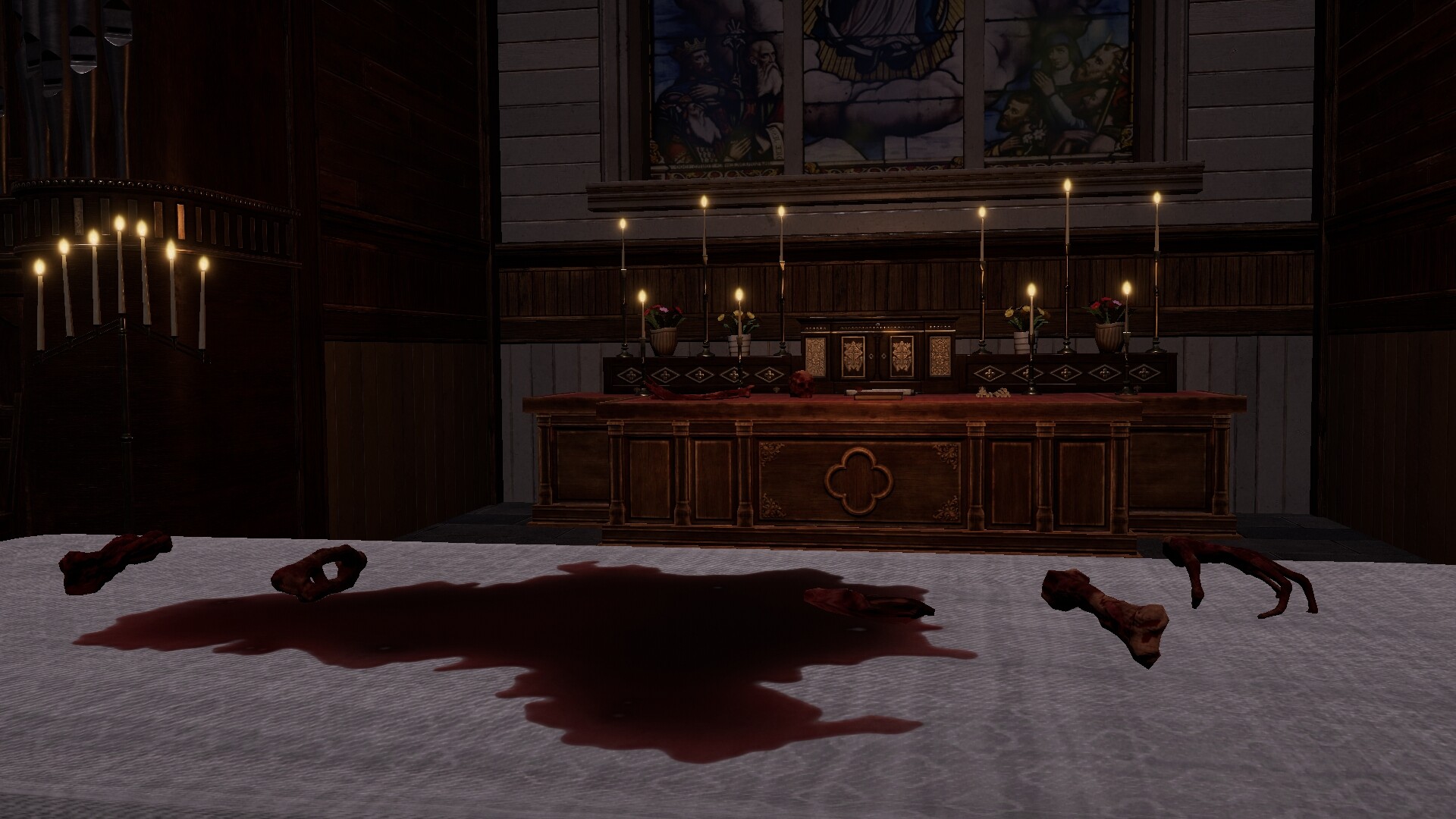
Player scenarios — specific tastes that fit
- Players who like to assemble timelines from scattered evidence: you’ll find safes, manifests, and encrypted documents that connect through deduction rather than through combat drops.
- Fans of slow-burn psychological investigation: the mansion’s “erased” identities and missing photographs create a subtle, unsettling atmosphere more about implication than jump scares.
- Puzzle-solvers who prefer system-based challenges: many puzzles revolve around restoring systems, reactivating terminals, or finding passwords hidden in environmental details.
- Those who value accessibility options and comfortable pacing: the Steam listing highlights subtitle options, color alternatives, and “playable without timed input.”
How it compares — editorial table
| Title | Atmosphere | Puzzle focus | Exploration style | Pacing / Player fit |
|---|---|---|---|---|
| Trace of the Villa | Slow-burn, forensic mansion mystery | Systems, power restoration, safes, encrypted documents | Environment-driven, layered discoveries as systems come online | Methodical players who prefer clue chains and reading spaces |
| The Room / The Room Two | Tactile, focused, intimate mystery boxes | Intricate mechanical puzzles inside contained devices (safes, pedestals) | Box-by-box, puzzle-room centric | Players who like concentrated puzzle solving and handcrafted puzzle objects |
| Escape Simulator | Playful, sandbox escape-room feel | Highly interactive object manipulation and emergent solutions | Room-scale, physics-enabled interactivity and custom rooms | Those who favor experimental object interaction and co-op creativity |
In short: if you prefer the focused, lock-and-key puzzle mechanics of The Room but want a broader narrative scaffold built from systems, documents, and a mansion’s layout, Trace of the Villa sits between the solitary puzzle-box and open, interactive escape-room sandbox.
YouTube discovery
Looking for trailers or gameplay videos? Search for Trace of the Villa trailers and clips here: YouTube — Trace of the Villa search. (Use this as a discovery path; the search may return official trailers and community content.)
View Trace of the Villa on Steam
Disclaimer: referenced titles and trademarks belong to their respective owners; this comparison is editorial discovery only and not an endorsement. All facts about Trace of the Villa are drawn from its official Steam store listing: developer/publisher (Steadyturtle Co., Ltd.), release date (28 May, 2026), and the official premise describing Jin’s investigation, restored systems, safes, and encrypted documents.
Leave a Reply