
Trace of the Villa — why quiet tension and uncertainty matter more than shock claims
Trace of the Villa leans into slow-burn suspense: Jin arrives at a remote, decaying mansion and uncovers manifests and encrypted records that suggest his missing sister may still be alive. Released on 28 May, 2026 by Steadyturtle Co., Ltd., the game prioritizes atmospheric mystery, clue-driven exploration, and restrained revelation over cheap shocks.

Who this is for
Players who prefer environmental storytelling and psychological investigation to jump scares will find Trace of the Villa appealing. If you enjoy story-rich adventures where atmosphere, furnishings, and fragmentary documents do most of the narrative work — and you like piecing together a timeline from subtle clues — this is a better fit than titles that rely on constant threats or action setpieces.
What the game is
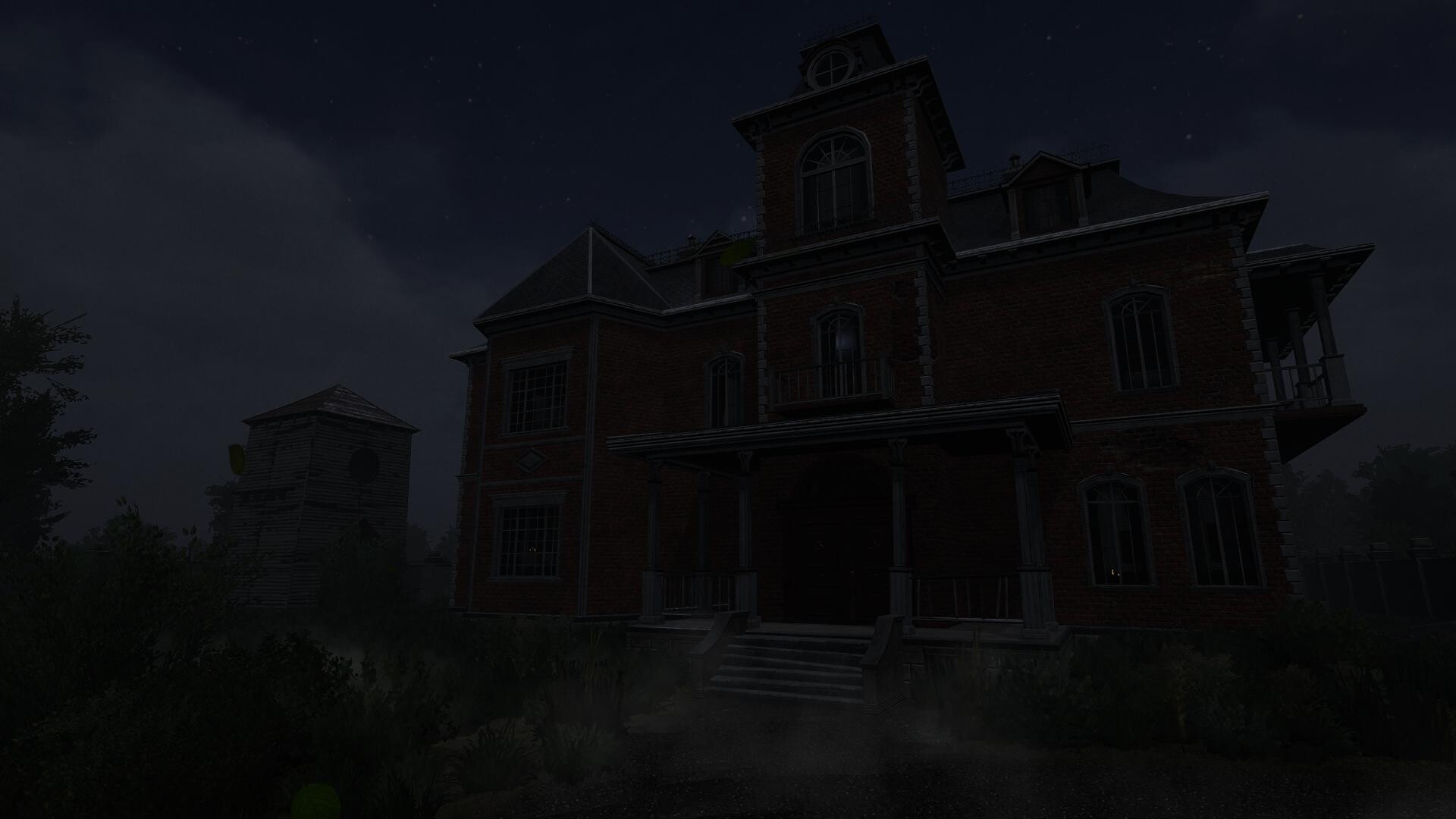
Trace of the Villa casts you as Jin, who “has spent years searching for his missing sister” and follows a lead to a mansion that feels “less abandoned than erased.” The Steam listing frames the experience as an investigation that opens into a larger, deliberately concealed operation — restored power reveals secured systems, hidden compartments, and puzzles that unlock fragments of encrypted documents and suspicious transfer records. Genres listed on Steam are Action, Adventure, and Indie; categories include Single-player and accessibility options such as Subtitle Options, Custom Volume Controls, and Color Alternatives.
When and where
Trace of the Villa released on Steam on 28 May, 2026. It is published and developed by Steadyturtle Co., Ltd. You can view the Steam page for the game at the official store link provided below.
Why the theme matters — quiet tension, not constant shock
The Steam description repeatedly emphasizes absence: no recent records, furnished rooms with missing identities, and evidence of people moved through the property under strict control. That sense of erased identity and the slow accumulation of inconsistencies is what creates psychological tension. In games like this, uncertainty — not a sustained series of loud scares — keeps players engaged because every small discovery reshapes the possible explanations for what happened. Restoring power and unlocking systems is literally a mechanic that turns silence into clues; the player learns from what the mansion reveals, rather than from scripted scares alone.
How you progress — reading the house as evidence
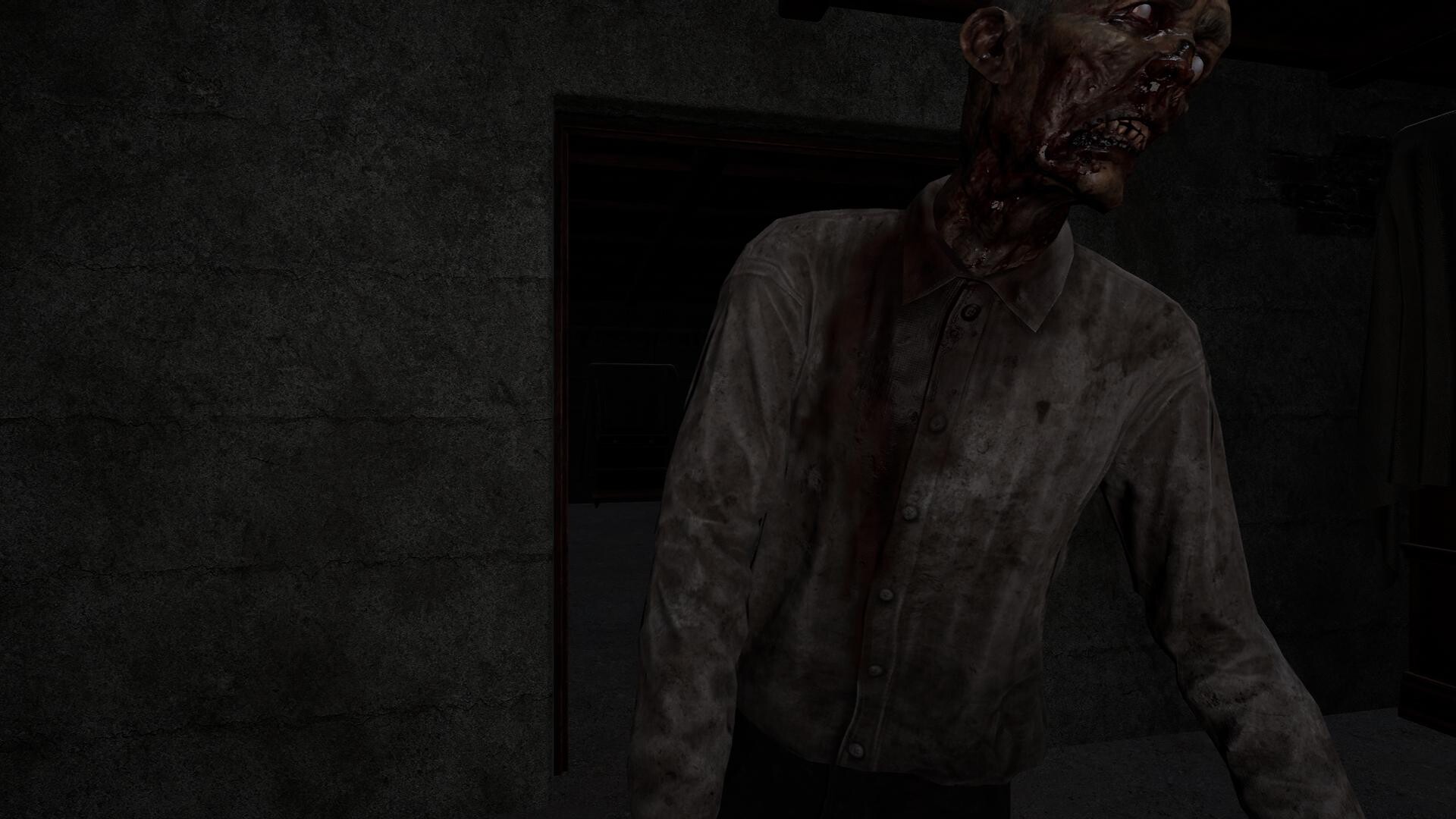
Progression in Trace of the Villa is presented as investigative: restore utilities, access secured systems, search hidden compartments and safes, and decrypt fragments of documents. The official text describes puzzles that yield “fragments of encrypted documents and suspicious transfer records” and a timeline of “arrivals without records” and “departures without witnesses.” That suggests a loop of exploration → restoration → discovery, where each solved puzzle opens another layer of institutional secrecy rather than providing an immediate payoff of confrontation.
Compact facts — Trace of the Villa
| Title | Trace of the Villa |
|---|---|
| Steam AppID | 3483660 |
| Release date | 28 May, 2026 |
| Developer / Publisher | Steadyturtle Co., Ltd. |
| Genres | Action, Adventure, Indie |
| Categories / accessibility | Single-player; Color Alternatives; Custom Volume Controls; Playable without Timed Input; Subtitle Options; Family Sharing |
| Official short description | Jin has spent years searching for his missing sister, pursuing leads that took him to a remote, decaying mansion where he recovered manifests and hints that indicate his sister may still be alive. |
Player scenarios — when to wishlist
- You like slow-burn mysteries: If you prefer uncovering context through documents, locked safes, and gradually restored systems, wishlist this one.
- You favor environmental storytelling: The mansion’s state — furnished yet depopulated of identity — is the primary narrator here.
- You want detective pacing, not constant tension spikes: Expect tension that accumulates from uncertainty and implication rather than near-constant threat.
- You need basic accessibility options: The Steam listing includes Subtitle Options, Custom Volume Controls, and Color Alternatives.
How Trace of the Villa compares (brief)
Below is an editorial comparison focused on genre, atmosphere, puzzle focus, exploration style, story tone, and pacing. This is an editorial discovery table for readers deciding between atmospheric mystery/adventure experiences.
| Game | Genre | Atmosphere | Puzzle focus | Exploration style | Story tone | Pacing |
|---|---|---|---|---|---|---|
| Trace of the Villa | Action / Adventure / Indie | Quiet, erased identities; mansion mystery | Clue-driven documents, locked systems, encrypted fragments | Investigative, restore systems to reveal new areas | Institutional secrecy and personal search (Jin searching for his sister) | Slow-burn, methodical discovery |
| Amnesia: The Dark Descent | Action / Adventure / Indie | Immersive, oppressive fear | Environmental puzzles tied to survival and atmosphere | First-person exploration with a strong focus on immersion | Personal horror and disintegrating sanity | Slow-building dread with moments of high tension |
| SOMA | Action / Adventure / Indie | Claustrophobic, sci-fi existential | Logical puzzles and environmental problem solving | First-person exploration in a contained world | Philosophical, identity and existence questions | Measured narrative pacing with tense set pieces |
| Layers of Fear (2016) | Adventure / Indie | Surreal, shifting Victorian mansion | Environmental and psychological puzzles tied to story beats | First-person, largely guided by unfolding chapter design | Obsession, madness, and unreliable perception | Rhythmic pacing with deliberate revelation |
| Poppy Playtime | Steam page
Leave a Reply