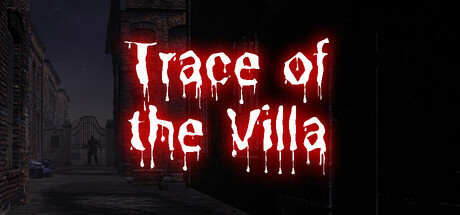
Trace of the Villa — a patient, clue-driven PC mystery for readers of atmosphere
Trace of the Villa is a slow-burn mystery adventure on Steam that follows Jin as he chases hints of his missing sister through a remote, decaying mansion. The game frames investigation through environmental storytelling and puzzle-driven discovery, asking players to piece together identity, financial trails, and locked systems one solved fragment at a time.

Quick facts
| Title | Trace of the Villa |
|---|---|
| Release date | 28 May, 2026 |
| Developer / Publisher | Steadyturtle Co., Ltd. |
| Genres | Action, Adventure, Indie |
| Steam categories / features | Single-player; Color Alternatives; Custom Volume Controls; Playable without Timed Input; Subtitle Options; Family Sharing |
| Steam store page | Open Trace of the Villa on Steam |
| Steam AppID | 3483660 |
What kind of game is this?
Trace of the Villa positions itself as a narrative puzzle experience set around a deserted mansion where Jin, the protagonist, follows manifests and clues that suggest his sister may still be alive. The official Steam description emphasizes investigation through restoring estate systems, unlocking hidden compartments, and recovering encrypted documents and transfer records. Expect an emphasis on atmospheric exploration and clue-gathering rather than fast-paced combat or reflex-driven mechanics.
Who will enjoy it?
This is for players who favor patient clue readers and atmospheric mystery adventure on PC: those who appreciate environmental storytelling, slow-burn suspense, and puzzles that unlock narrative fragments. The presence of subtitle options, color alternatives, and an option to play without timed input suggests accessibility for players who prefer to take their time with clues and document reading.
When and where you can play it
Trace of the Villa launched on Steam on 28 May, 2026 and is listed as a PC (Steam) release. The Steam page lists it under Action / Adventure / Indie and includes Single-player and accessibility-oriented categories.
Why the mansion theme matters here
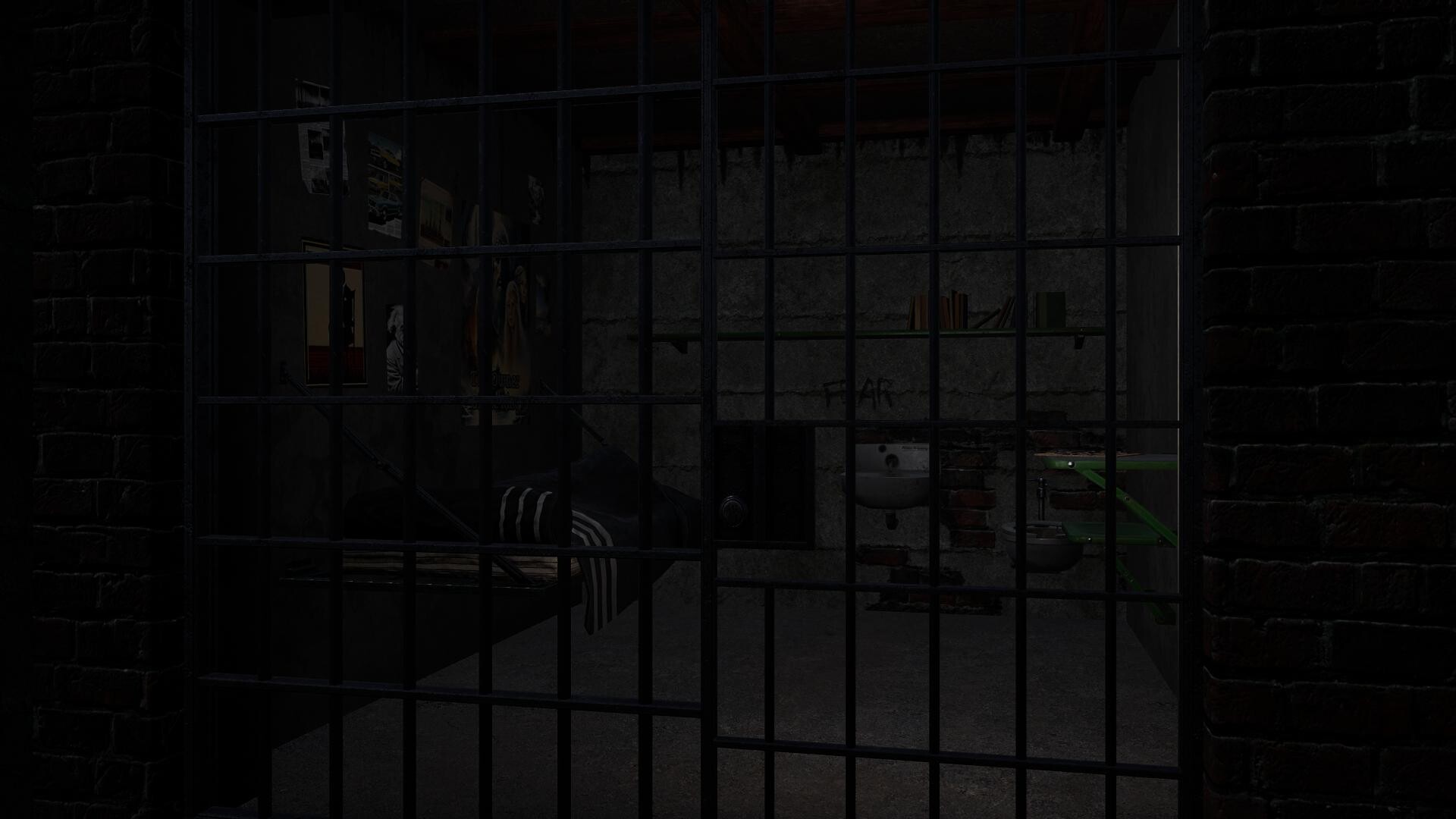
Not every mansion mystery relies on jump scares. According to the official store copy, the villa in Trace of the Villa is less “abandoned” and more “erased”: rooms look lived-in but lack identifiers, and the investigative thrust is about reconstructing identity through documents and systems that the player brings back online. That design choice foregrounds forensic reading — a focus on piecing together timelines, falsified identities, and financial trails — which determines both puzzle design and atmosphere.
How you read clues and progress
The official description outlines a sequence of investigative beats players can expect: restoring power to the estate, reactivating secured systems, revealing hidden compartments and safes, and recovering fragments of encrypted documents and suspicious transfer records. Progress is narrative-puzzle-led — solving a mechanical or logic problem tends to yield a document or system data that reframes the timeline and points the player to the next area or puzzle.
Player scenarios — would you wishlist it?
- If you like slow, methodical investigations: You’ll likely appreciate the emphasis on documents, encrypted fragments, and environmental cues rather than constant action.
- If you prefer atmosphere over horror theatrics: The game’s premise indicates tension through absence and erasure, not overt gore or cinematic shocks.
- If you want accessibility for careful reading: Subtitle options, color alternatives, and “playable without timed input” support suggest designers considered players who need to pause, translate, or slowly parse text.
- If you expect strongly cinematic, motion-heavy sequences: The official categorization and description suggest a story-rich, clue-led pace rather than a fast-action spectacle.
How Trace of the Villa compares to nearby mystery and puzzle titles
Below is an editorial comparison focused on genre, atmosphere, puzzle vs. action balance, exploration style, pacing, and the kind of player fit each title aims for. These are comparative notes to help you decide which game matches your preferred style of mystery play.
| Title | Genre / Focus | Atmosphere / Tone | Puzzle vs Action | Exploration style | Pacing / Player fit |
|---|---|---|---|---|---|
| Trace of the Villa | Action / Adventure / Indie — investigative mansion mystery | Quiet, erased/abandoned feel; investigative tension | Puzzle-led narrative discovery (documents, systems, safes) | Document- and system-driven exploration inside a single estate | Slow-burn; for players who read clues carefully and prefer atmosphere |
| Rusty Lake Hotel | Adventure / Indie — point-and-click puzzle | Dark, surreal, eerie puzzle tone | Point-and-click logic puzzles tied to narrative vignettes | Room-to-room puzzle sequences with vignette structure | Compact, puzzle-focused; appeals to players who like short, surreal mysteries |
| The Medium | Adventure — psychological horror with dual-reality mechanics | Psychological, haunting, introspective | Exploration with environmental puzzles and narrative set-pieces | Broader environments that use dual-reality to reveal different clues | Steady pacing with cinematic moments; for players who want psychological weight |
| Layers of Fear | Adventure — first-person psychological horror | Unnerving, artistically driven descent into madness | Exploration and environmental puzzles that support narrative reveals | Linear, atmospheric spaces designed to unsettle and reveal story | Atmosphere-first; suits players who prefer a tense psychologicalYouTube discoveryFor trailer and gameplay discovery, use YouTube search rather than relying on unverified embeds: Find Trace of the Villa trailer and gameplay searches on YouTube. CommentsMore posts |
Leave a Reply