
Trace of the Villa — who should consider this slow-burn mansion mystery
Trace of the Villa is a Steam PC adventure from Steadyturtle Co., Ltd. (developer and publisher) that follows Jin as he follows cold leads to a remote, decaying mansion and recovers manifests and hints that his missing sister may still be alive. Released on 28 May, 2026, the game leans on environmental evidence, forensic curiosity and methodical puzzle work rather than quick action.

Quick facts
| Title | Trace of the Villa |
|---|---|
| Steam AppID | 3483660 |
| Release date | 28 May, 2026 |
| Developer / Publisher | Steadyturtle Co., Ltd. |
| Genres | Action, Adventure, Indie |
| Steam categories | Single-player; Color Alternatives; Custom Volume Controls; Playable without Timed Input; Subtitle Options; Family Sharing |
| Official short description | Jin has spent years searching for his missing sister, pursuing leads that took him to a remote, decaying mansion where he recovered manifests and hints that indicate his sister may still be alive, somewhere at the end of the trail he is about to follow. |
Who, What, When, Where, Why, How
Who is this for?
Players who favor atmosphere-driven mystery adventures and a slow investigative rhythm: folks who appreciate piecing together a case from environmental evidence, reading manifests and encrypted fragments, and following a trail that increases in personal stakes. If you prefer single-player, story-rich exploration on PC and want a game that rewards attention to small details, this is a clear match.
What is the game?
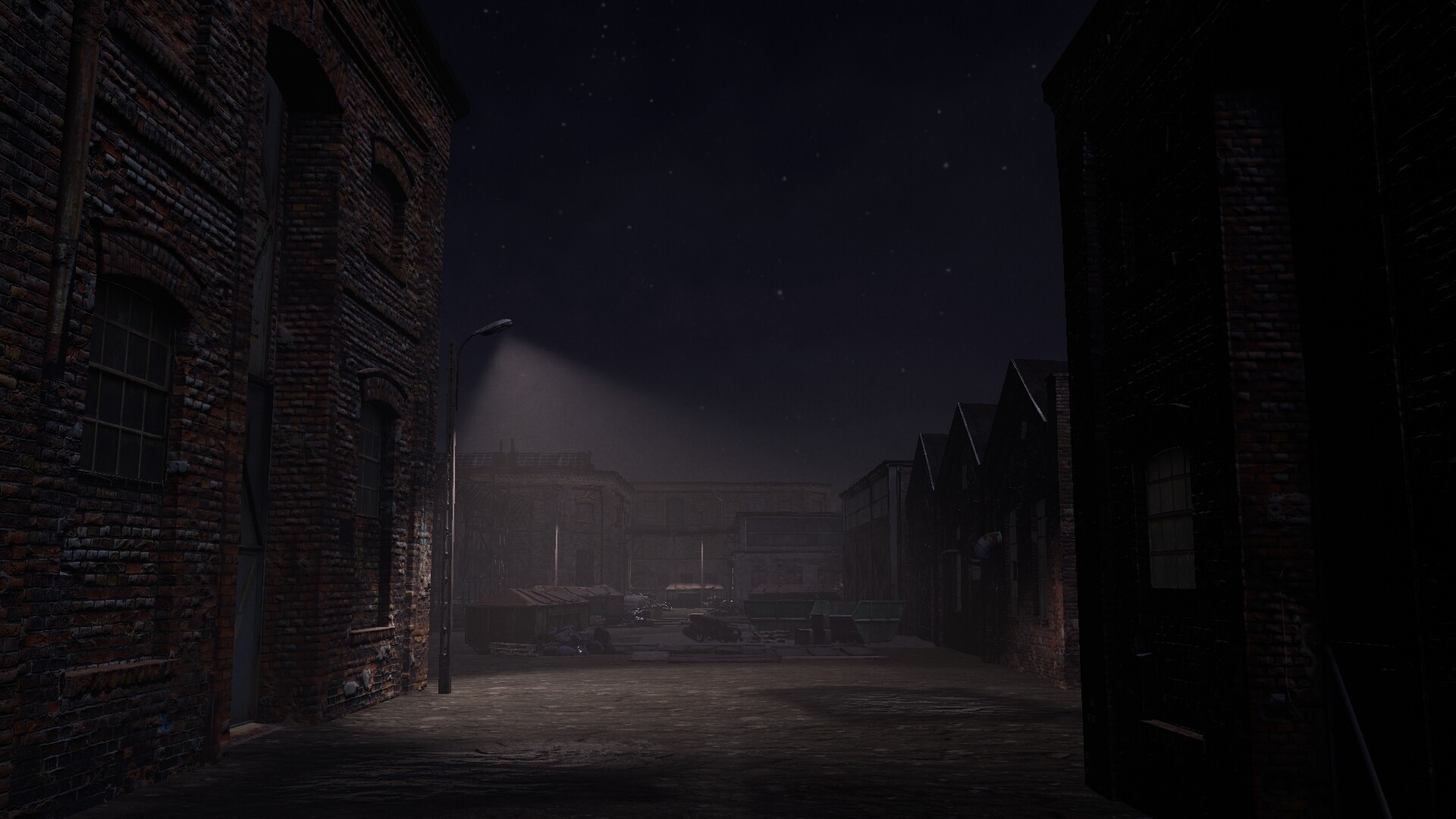
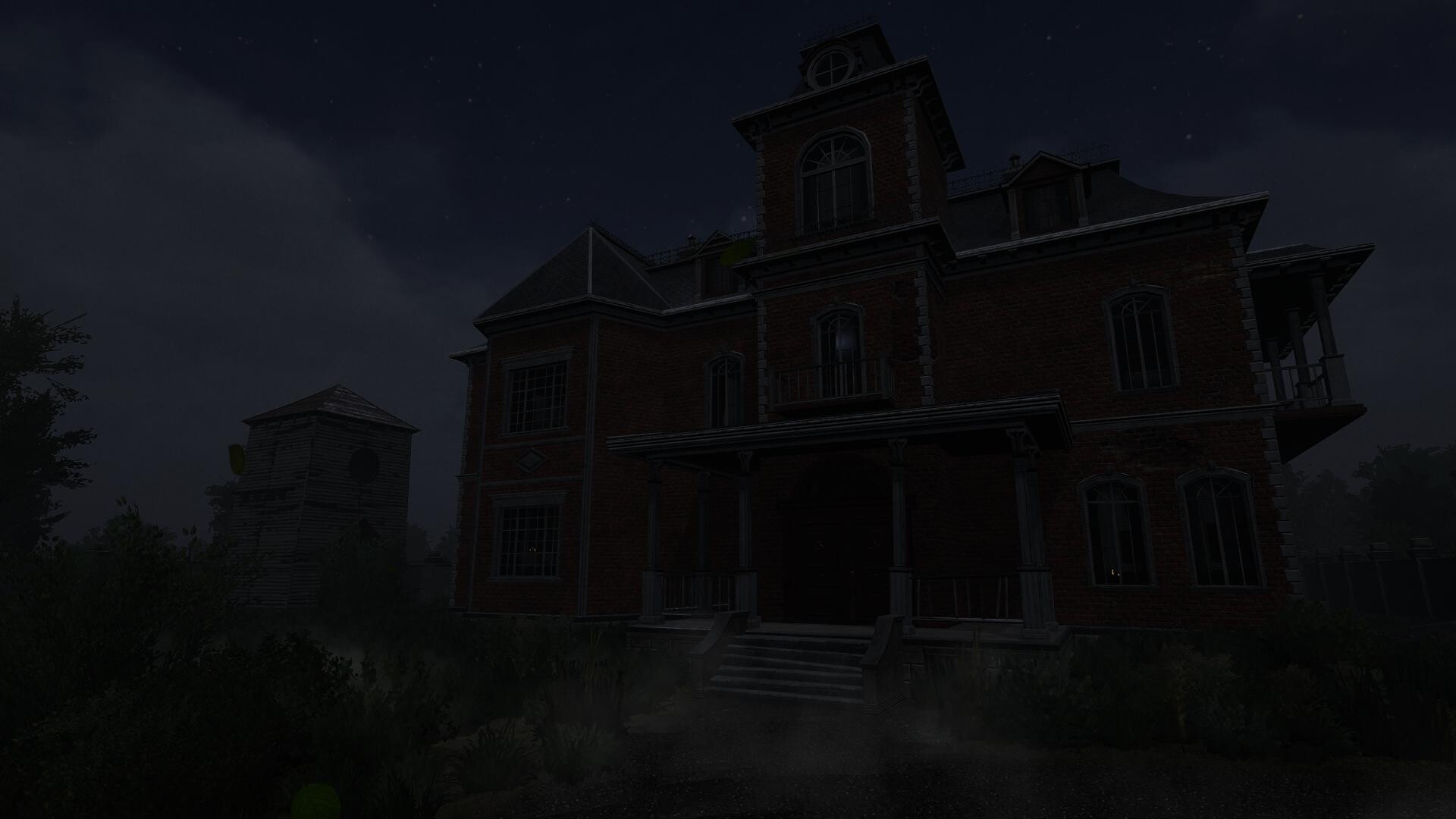
Trace of the Villa casts you as Jin, a searcher following leads about a missing sister to a deliberately forgotten, off-grid mansion. Inside, furnishings and personal items look abruptly abandoned; there are locked doors, secured systems and fragmented documents that suggest people were moved under strict control. Restoring power and solving puzzles reveals more of the estate’s concealed timeline.
When and where can you play it?
The game launched on Steam on 28 May, 2026. It’s presented as a PC title with typical Steam single-player categories and accessibility options such as subtitle support and custom volume controls.
Why the theme matters
The focus on abandoned estates and erased identities shifts emphasis away from jump scares or rapid combat loops and toward forensic curiosity: reading the built environment, tracing financial or document clues, and building a timeline. That makes Trace of the Villa appealing to players who enjoy narrative puzzle design and slow-burn suspense driven by what the world itself reveals.
How you progress
Progression is clue-driven and methodical. Official material highlights recovering manifests, restoring power to the estate, unlocking safes and uncovering encrypted records — in other words, investigation through environmental storytelling and puzzle solving more than timed reflex challenges. Steam categories note the game is playable without timed input, which reinforces the steady, deliberate pace.
Player scenarios — who should wishlist it
- Forensic curiosity and environmental evidence: You enjoy reading manifests, logs and physical traces to reconstruct events rather than being told the story outright.
- Slow investigation and puzzle focus: You prefer a measured pace where restoring systems and unlocking safes gradually reveal new leads — the Steam listing notes it’s playable without timed input.
- Mansion mystery atmosphere: If Victorian or decaying estate settings and erased identities draw you, the game’s “rooms left mid-routine” premise offers that tone.
- Single-player, accessibility-conscious PC players: The Steam categories include subtitle options, custom volume controls and color alternatives that support different play styles.
- Not for you if you want fast-paced action loops: The descriptions emphasize methodical investigation and hidden systems; players seeking high-tempo combat or arcade-style gameplay may find the pace deliberate.
How it compares to nearby mystery/adventure titles
Below is an editorial comparison focused on genre, atmosphere, puzzle focus, exploration style, story tone and pacing — intended to help readers decide which experience fits their tastes. These comparisons are editorial observations drawn from official descriptions of each title.
| Title | Genre / Focus | Atmosphere | Puzzle & Exploration | Pacing / Tone |
|---|---|---|---|---|
| Trace of the Villa | Action / Adventure / Indie — investigative mansion mystery | Decaying, deliberately forgotten estate; erased identities | Clue-driven: manifests, encrypted records, restoring systems; playable without timed input | Slow-burn, methodical, forensic curiosity |
| Amnesia: The Dark Descent | Action / Adventure / Indie | Immersive, chilling, survival-horror atmosphere (official description) | Exploration with survival elements and puzzle interplay | Intense immersion and fear-oriented pacing |
| SOMA | Action / Adventure / Indie — sci-fi horror (from creators of Amnesia) | Underwater, claustrophobic, existential | Exploration and narrative-driven puzzles in a hostile setting | Slow-building tension with philosophical weight |
| Layers of Fear (2016) | Adventure / Indie — psychological mansion exploration | Shifting Victorian mansion with psychological edges | Story and environment-based puzzles; changing spaces | Unsettling, art-focused and increasingly disorienting |
| The Room | Adventure / Indie — puzzle-box mystery | Close, intimate, mysterious | Precision mechanical puzzles centered on a single object/room | Pocket-sized, tightly focused puzzle progression |
Rusty Lake
Steam pageView Trace of the Villa on Steam YouTube discoveryFor trailer and gameplay discovery, use YouTube search rather than relying on unverified embeds: Find Trace of the Villa trailer and gameplay searches on YouTube. CommentsMore posts |
Leave a Reply